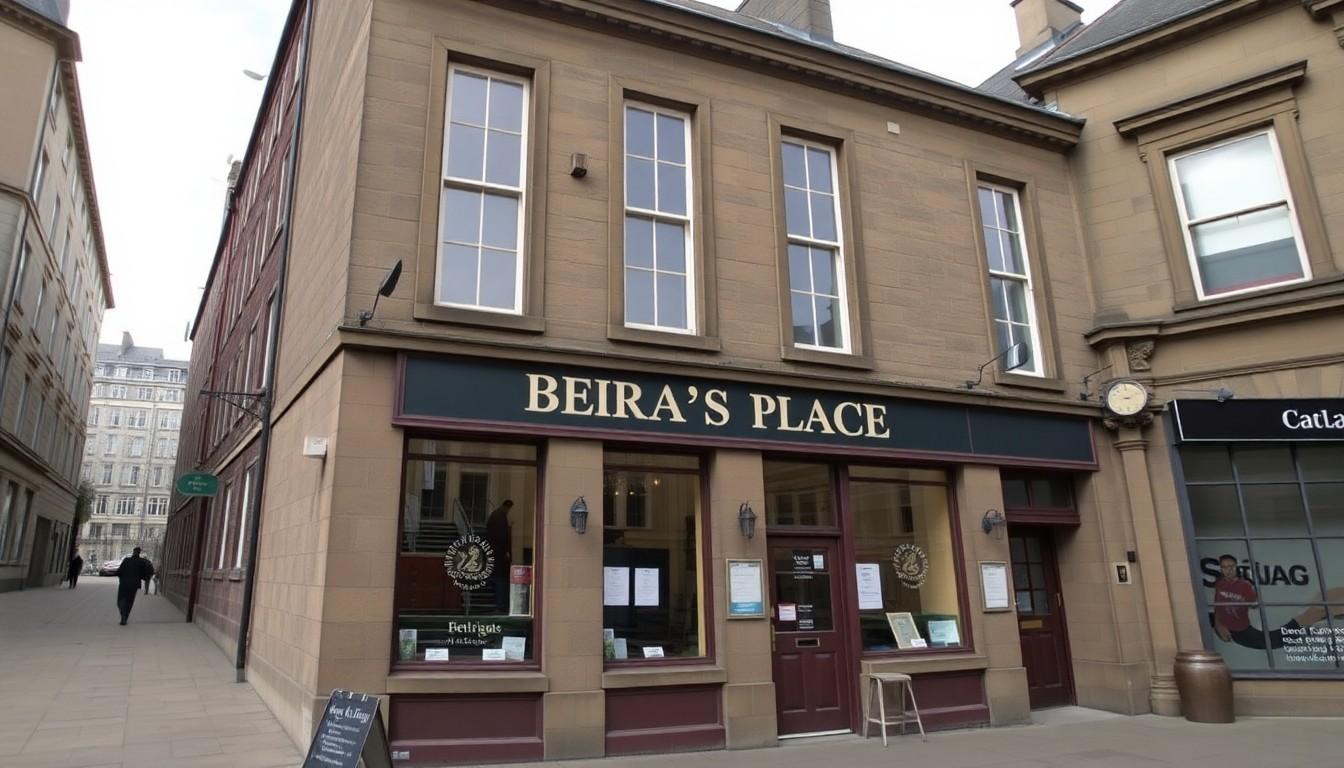
Watchdog drama has reignited a fiery debate , Rowling’s Edinburgh women’s centre was named in an Amnesty UK report as “anti-rights”, sparking threats of legal action, an internal apology and renewed arguments over single-sex services and trans rights. Here’s what happened, why it matters and what people on both sides are saying.
Essential Takeaways
- What happened: Amnesty International UK published and then withdrew a report listing 117 organisations it labelled “anti-rights”, including Beira’s Place, a women’s centre linked to J. K. Rowling.
- Author’s response: Rowling said she was “angry” and her charity offered legal support to groups on the list; Beira’s Place lawyers threatened defamation proceedings.
- Amnesty’s move: The organisation self-reported to the UK Charity Commission, apologised for process failures and said it still defends both women’s and trans rights.
- Why it matters: The episode renews tensions over access to single-sex services, recent court rulings on the legal definition of “woman”, and how charities balance competing rights.
- Public tone: Coverage has ranged from sympathetic to critical, reflecting a wider cultural divide; the row looks set to continue in courts, media and public debate.
Fast facts: the apology, the legal threat and the headline reaction
Amnesty UK’s list named organisations it judged part of what it called an “anti-rights” movement, and Beira’s Place was singled out. The entry prompted immediate backlash from the centre and its supporters; Beira’s Place’s lawyers called the description “profoundly offensive” and warned of defamation suits. According to reporting in The Guardian and others, Amnesty later pulled the report, apologised and said it hadn’t followed its internal review procedures. The Charity Commission confirmed it has received a self-referral from Amnesty and is assessing whether regulatory action is appropriate.
Context matters here: the moment is saturated with emotion. For survivors who want women-only spaces, the centre’s “non-mixed” support feels essential and reassuring; for trans rights advocates, blanket exclusions are seen as discriminatory. The apology did not erase the immediate reputational harm or the legal threats, so the story has both legal and human fall-out.
How J. K. Rowling’s public profile shaped the debate
Rowling’s name guarantees attention. She founded the J. K. Rowling Women’s Fund and Beira’s Place in 2022, and she’s been a polarising figure in discussions around gender and rights for years. That background amplifies every development: a critique of the centre becomes, in many outlets, part of a larger narrative about Rowling’s influence and intentions.
Outlets from The Independent to LBC noted how the author quickly mobilised support, offering to help cover legal fees for groups on what she called a “blacklist”. Critics argue that framing and alliances with explicitly gender-critical groups deepen mistrust and polarise survivors and campaigners. Supporters counter that providing single-sex services is a legitimate, necessary choice for some women, and that critics risk silencing those needs.
What the law and recent court rulings add to the story
Legal landmarks are important to understanding the dispute. Last year a UK Supreme Court decision , frequently reported on in national coverage , affirmed a definition of “woman” based on biological sex for certain legal purposes. That ruling has consequences for who can access single-sex spaces and services, and it informs why organisations like For Women Scotland have pursued legal clarity.
So this is not just a public spat; it sits against a shifting legal backdrop. Charities providing gendered services must navigate equalities law, funding rules and safeguarding obligations. If cases progress to litigation, courts could set further precedents on how rights are balanced in practice.
Why Amnesty’s internal error matters beyond one report
When a major human rights NGO publishes a list that brands groups “anti-rights”, it sends a signal to funders, regulators and the public. Amnesty’s retraction and apology acknowledged procedural failures , and that matters because accuracy and process underpin the credibility of watchdogs. The Charity Commission’s involvement shows how seriously regulators view potential errors by charities with public influence.
Journalists and commentators have noted that Amnesty’s apology didn’t resolve the policy questions at stake: the organisation insisted it remains committed to defending both women’s and trans people’s rights. That balancing act is tricky in a charged media environment; missteps can harden positions on both sides rather than opening dialogue.
What this means for survivors, campaigners and readers
If you’re a survivor seeking services, the immediate concern is practical: will the places you rely on be stable, accessible and safe? Beira’s Place says it provides non-mixed support to women survivors of male-perpetrated violence, and supporters say those services meet a real need. If you’re a campaigner for trans inclusion, the worry is that exclusions become normalised and that language used in reports can shape public perception.
For the rest of us, the incident is a reminder of how advocacy, media and law interact , and how quickly reputations can be affected by an unvetted list. Expect more legal posturing, continued media scrutiny and fresh pushes from both sides to make their case to the public.
It's a small but noisy episode with big implications for charities, survivors and the wider rights debate , and the conversation is far from over.
Source Reference Map
Story idea inspired by: [1]
Sources by paragraph: