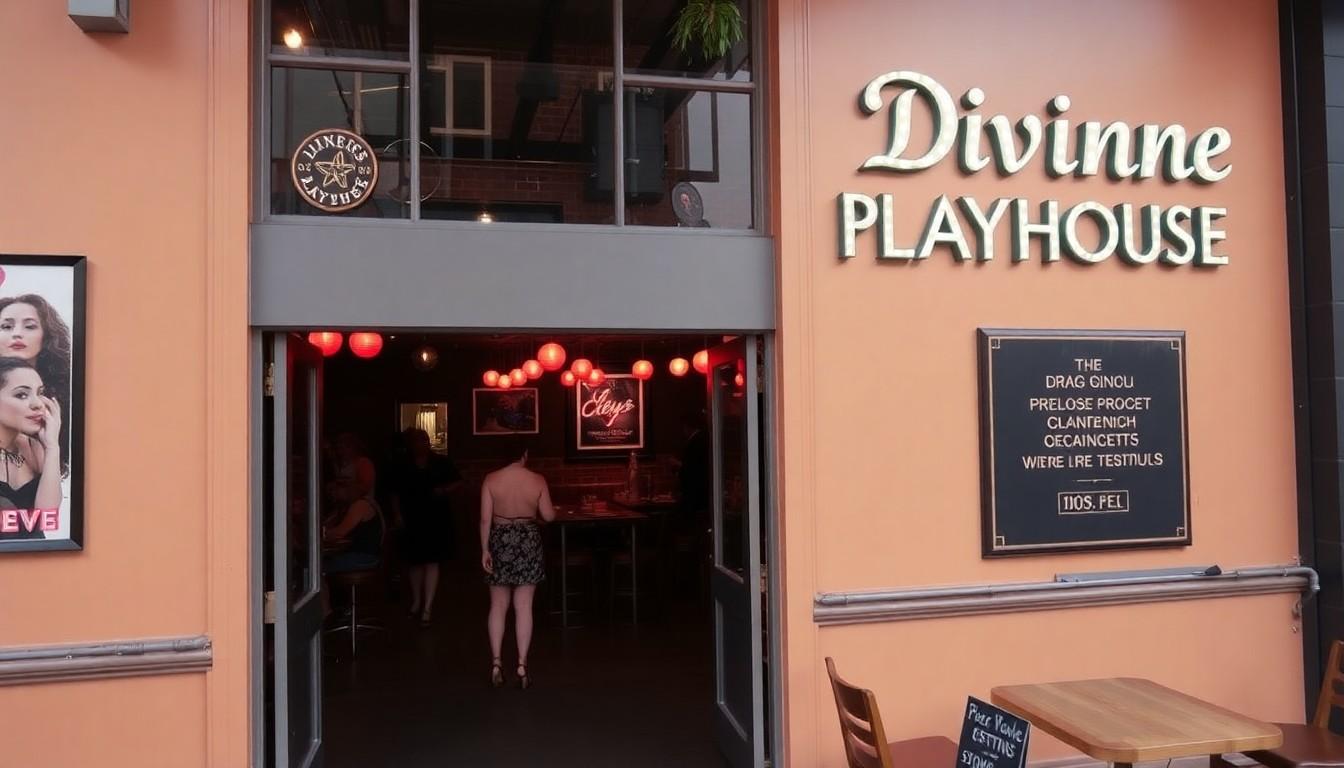
Watch the sequins fly: Sydney’s bold new pop‑up venue inside a deconsecrated church opened with fanfare, mimosas and drag , and then promptly found itself at the centre of a heated public row about religion, art and leases. Here’s what went down, why it matters, and how this messy clash could shape queer spaces and nightlife policy.
Essential Takeaways
- Rapid controversy: The Divine Playhouse launch drew Christian groups objecting to religious imagery, turning opening week into a public flashpoint.
- Landlord intervention: Organisers say a breach notice demanded they "cease carrying on offensive trade," triggering a temporary closure and legal review.
- Artists under threat: Heaps Gay and others are now weighing legal options while prioritising performer safety and community support.
- Wider stakes: City officials warned that allowing offence alone to force closures could set a dangerous precedent for creative spaces.
- Atmosphere note: Attendees praised the venue’s theatrical vibe and playful cocktails; critics called its use of sacred symbols disrespectful.
How a Sunday drag brunch became headline news
The image of performers in glitter and faux-habits doing lip-syncs with bottomless mimosas feels quintessentially Sydney , until a crowd forms outside clutching rosaries and placards. According to reporting by The Guardian, Divine Playhouse’s opening quickly attracted members of Catholic and other Christian groups who objected to the use of religious iconography. The scene wasn’t just noisy, it was visibly charged; organisers say the pressure from those protests, and from a landlord’s breach notice, pushed the venue into an abrupt pause. For those who’d come for a cheeky brunch, the mood shifted from light-hearted to legal very fast.
Why the building’s backstory matters
This isn’t a random bar in a converted shopfront; the space is a former Catholic church deconsecrated decades ago and later used as a theatre. Time Out and other outlets note the building’s theatrical history, which made it a natural home for a pop-up like Divine Playhouse. That layered history explains part of the ferocious reaction: to some it’s a reclaimed creative spot, to others it’s still a site of spiritual memory. The organisers framed the show as art and satire, while critics said the imagery was blasphemous , a clash that’s as much about symbolism as it is about nightlife.
Landlord notices, social media outages and legal headaches
When culture wars land in the lease office, things get procedural fast. Reports from Hack on triple j and Pedestrian describe how the landlord served what organisers interpreted as a breach notice instructing them to stop "offensive trade" or face eviction. Divine Playhouse announced it had closed, postponed events and sought legal advice, while also saying Meta briefly disabled their social accounts. That combination of legal threat and platform disruption shows how fragile new venues can be when public controversy escalates; if you run events, have your tenancy and online channels buttoned up before opening night.
The debate bigger than one venue
City politicians and nightlife advocates have framed this as more than a local spat. Sydney’s Deputy Lord Mayor and the NSW Minister for Music and the Night-time Economy publicly backed the venue’s right to exist as part of the city’s creative ecosystem, and the Night Time Industries Association warned that "offence cannot become a mechanism for eviction." Those interventions shift the argument from personality clashes to policy: if public offence becomes the lever for shutting places down, comedians, artists and queer venues could all be vulnerable. It’s a conversation about where free expression, public order and tenancy rights intersect.
Practical tips for venue operators and patrons
If you run nights out: expect the unexpected. Have written agreements with landlords that clearly define permitted uses, and think through programming language before publicity goes live. If you’re an audience member: support spaces you value, but also be mindful that provocative performance will sometimes offend , dialogue matters more than escalation. For communities on both sides, the takeaway is simple: negotiate, seek mediation and use legal channels rather than crowd pressure where possible.
Closing line It’s a small change that can make every drag brunch safer and every sacred symbol less likely to become a headline.
Source Reference Map
Story idea inspired by: [1]
Sources by paragraph: