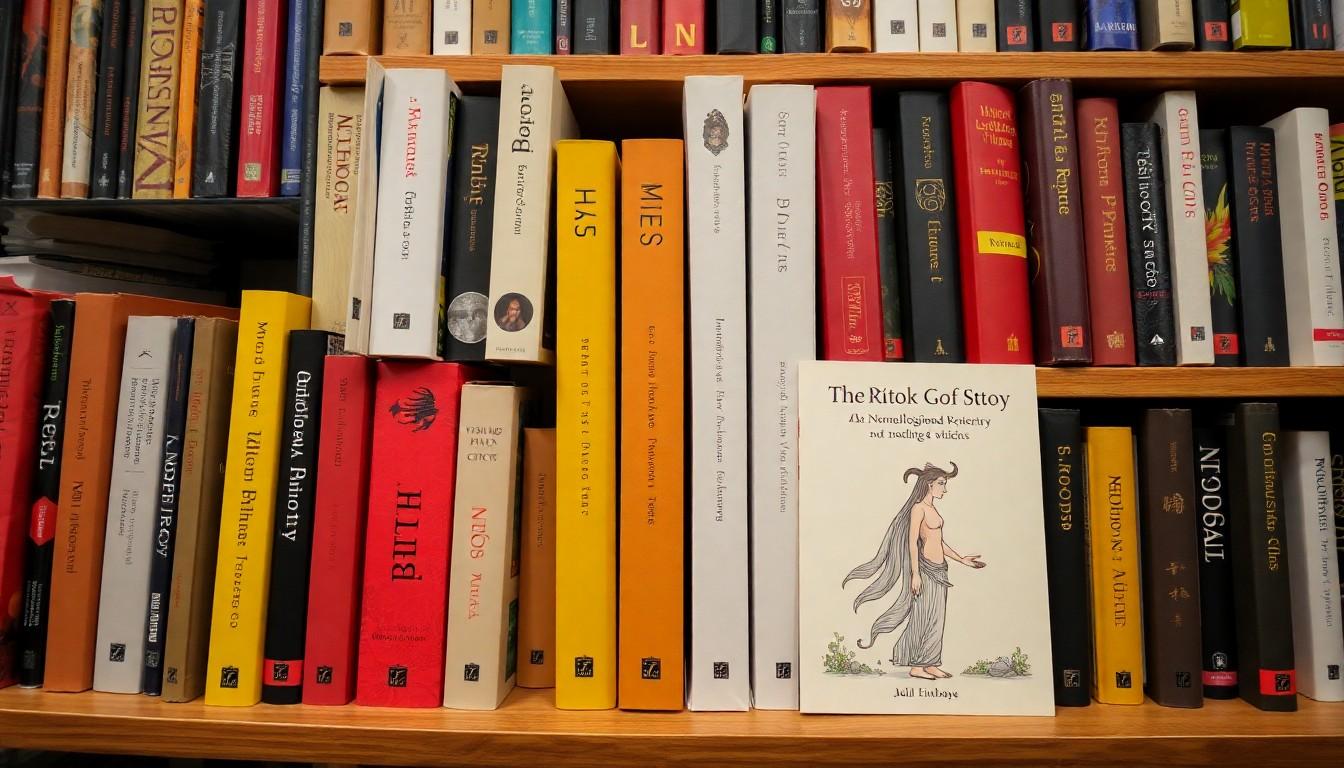
Shoppers and teachers are turning to Queer Mythology: Epic Legends from Around the World as a bright, inclusive way to bring 2SLGBTQIA+ gods and heroes into classroom and home bookshelves; it's a mix of familiar tales and surprising new legends, with vivid art and clear lessons that matter.
Essential Takeaways
- Author and style: Guido A. Sanchez collects 20 myths from around the globe, retold in accessible, lively prose.
- Visual appeal: Each story is paired with bold, colourful art by James Fenner that gives characters texture and emotion.
- Representation: Stories feature queer and gender-diverse figures from Greek, Norse, Chinese, Hawaiian, Haitian, Beninese and Latin American traditions.
- Tone and lessons: Tales are framed around lessons the characters learn, making them classroom-friendly and discussion-ready.
- Good for readers: Suitable for middle-grade to teen readers, and useful for educators building diverse libraries.
Why this book feels important right now
Queer Mythology lands at a moment when representation is both demanded and debated, and the first thing you notice is how alive the pages feel , bright art, direct storytelling and a clear intent to celebrate difference. According to the author’s site, Guido A. Sanchez has gathered myths that speak to gender variance and queerness across cultures, which gives the book a global sweep rather than a single cultural lens. That matters in classrooms and homes where kids need mirrors and windows, not just one or the other.
Familiar faces, fresh angles
You’ll find well-known names alongside lesser-known figures. Greek favourites like Athena, Hermes, Achilles and Apollo appear, but their stories are told with an emphasis on relationships and identity that you don’t always see in standard myth retellings. Meanwhile Loki’s boundary-defying antics from Norse lore crop up as another example of mythic gender fluidity. Readers who think they know classical myths will be pleasantly surprised by the queer threads that Sanchez teases out.
New stories that broaden the map
The book shines when it introduces tales most western readers haven’t met , a Chilean folktale about Florinda who steps into princely roles, a Hawaiian love story of Lono and Kapa’ihi, and Tu’er Shen, the Chinese rabbit deity who protects queer people. There’s also Ghede Nibo from Haitian belief, Mawu-Lisa from Benin’s Dahomean tradition, and Romanian tales that touch on gender transition. These additions help normalise the idea that gender diversity isn’t a modern invention but a strand woven through many cultural narratives.
How teachers and parents can use it
This is a practical classroom resource. The stories are short enough for a read-aloud and rich enough to spark discussion about identity, cultural context and storytelling itself. Pair a tale with art projects, creative writing prompts or comparative mythology units. For younger readers, pick gentler stories and scaffold with definitions; for older kids, bring in primary myth texts or scholarly articles to explore how labels change over time. Schools building diverse collections will find it a straightforward pick.
A note on cultural respect and context
Celebrating global queer pasts requires care. Sanchez frames each tale as part of its originating culture, and educators should do the same , use the book as a starting point, not the definitive cultural source. According to listings and reviews, the retellings are designed to be respectful, but it’s sensible to complement them with background reading and, where possible, voices from the cultures represented. That approach keeps lessons honest and deepens students’ understanding.
It's a small change that can make every classroom and home shelf feel a little more inclusive.
Source Reference Map
Story idea inspired by: [1]
Sources by paragraph: