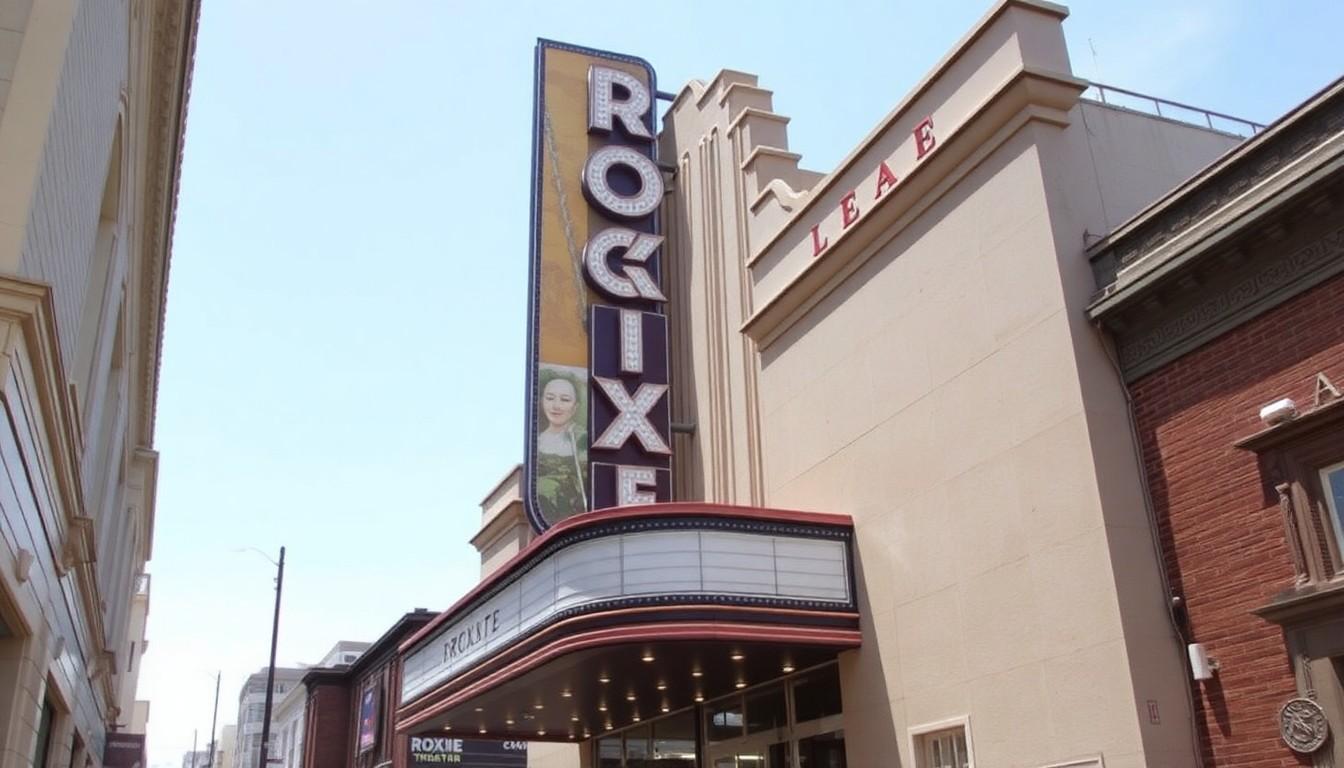
Celebrate accessibility and history: Roxie Theatre and the GLBT Historical Society host ADA Day screenings in San Francisco, pairing a 1977 disability-rights documentary with a new film about vision loss, plus a live panel of activists and artists , open captions, ASL, and audio description available.
Essential Takeaways
- What: A double feature screening of Sign 504 Now! and Vivien’s Wild Ride at the Roxie Theatre, followed by a live panel.
- When and where: Sunday, 26 July 2026, 1pm at the Roxie in the Mission District , a community-friendly afternoon.
- Accessibility: Both films open-captioned; Vivien’s Wild Ride offers audio description on request; ASL interpretation provided for intro and panel.
- Why it matters: The program links the 1977 Section 504 occupation , a pivotal disability-rights stand , with personal storytelling about sight loss and creativity.
- Feel: Expect archival grit alongside tender, sensory cinema , historical urgency then intimate reflection.
A visceral reminder of a pivotal protest
If you only go for one film, Sign 504 Now! delivers the kind of archival punch that makes history feel immediate; there’s a gritty, up-close energy to footage shot by the Queer Blue Light collective. The short documentary revisits the 1977 occupation of San Francisco’s Federal Office Building, when more than 150 disabled activists staged a 26-day nonviolent takeover to demand enforcement of Section 504. According to the Smithsonian and National Park Service coverage, that protest is one of the movement’s foundational moments, and the film’s images still carry urgency and solidarity.
The Roxie’s screening is more than nostalgia. It’s a chance to witness how coalitions formed , from LGBTQ+ groups to Black Panthers , and to hear the tactical courage that changed federal disability policy. For viewers curious about civil-rights intersections, this is a compact, bracing primer.
Vivien’s Wild Ride: seeing cinema through different eyes
Vivien’s Wild Ride shifts tone from public protest to intimate reckoning. The documentary follows Bay Area film editor Vivien Hillgrove as macular degeneration transforms how she remembers and creates. PBS’s Independent Lens notes the film’s collage approach, blending memory, sound and texture to mimic changing perception. It’s cinematic in the best, sensory way: you’ll notice how sound takes on new weight when sight fades.
The film’s emotional core is practical, too. It asks what it means to be an artist when your primary tool alters, and how identity and family shift alongside vision. If you’re interested in accessibility in the arts, the movie offers both an artist’s portrait and a conversation starter about support systems for creatives with disabilities.
Conversation between past and present: the panel
Between screenings, a panel moderated by Jim LeBrecht brings together Vivien Hillgrove, Dr Victor Santiago Pineda and Dr Kevin Mintz to reflect on the films and their wider implications. LeBrecht , an acclaimed disability activist and filmmaker , will steer discussion toward both historical context and contemporary access questions. Expect talk of policy, lived experience, and how storytelling changes public understanding.
The event’s accessibility measures matter here: ASL interpretation for the introduction and panel ensures participation, while open captions and audio description options make both films inclusive. It’s a practical model for other cultural venues thinking about truly accessible programming.
How this fits into a wider movement
The 504 protests reshaped federal disability policy, and contemporary projects like Vivien’s Wild Ride show the movement has broadened from law into everyday narrative. The National Park Service and Smithsonian have both documented how the occupation’s tactics and alliances influenced later advocacy. Today, screenings like the Roxie event help stitch that legal history to personal experience, reminding audiences that rights are won and lived through people’s stories.
If you’re tracking trends, cultural institutions are increasingly pairing archival material with new, relationship-driven films to highlight continuity. It’s an effective way to make history relevant and to invite new generations into an ongoing dialogue about access and belonging.
Practical info and tips for attendees
Arrive early to secure a good seat at the Roxie, especially if you need accessible seating or assisted listening. The theatre page lists event details and access options; call ahead if you require audio description for Vivien’s Wild Ride so the team can arrange it. Bring a friend , the panel is the kind of conversation that lands better with someone to debrief with afterwards.
And if you’re travelling by transit, the Mission District location is convenient by BART and bus; parking is limited, so plan accordingly.
It’s a small change that can make every screening feel more inclusive and meaningful.
Source Reference Map
Story idea inspired by: [1]
Sources by paragraph: