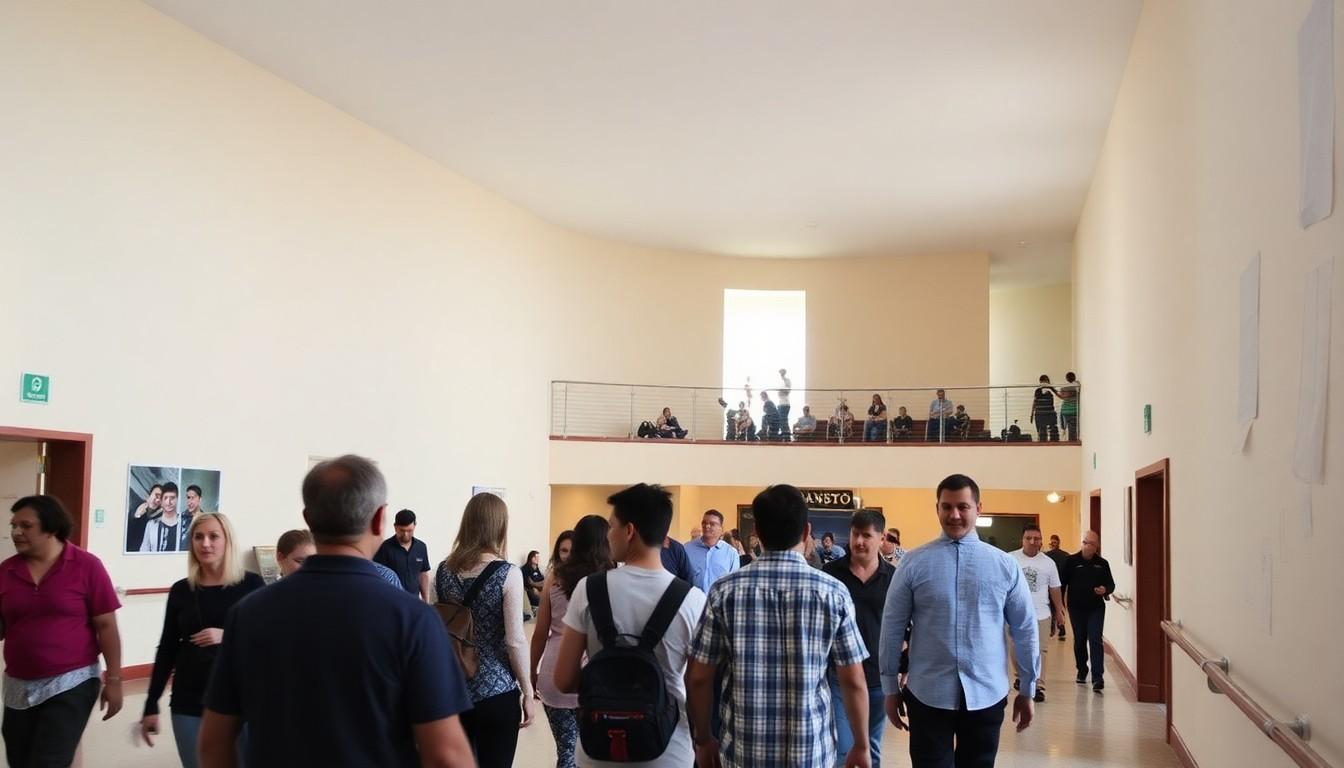
Shining a light on movement and belonging, TRÂNSITO in Pelotas is drawing local and international LGBTQ+ filmmakers to a compact festival that champions stories of freedom, identity and everyday life , and it matters because it opens doors for regional artists while bringing fresh perspectives to southern Brazil.
Essential Takeaways
- Festival focus: TRÂNSITO spotlights LGBTQ+ stories and requires submitters to be directed or produced by at least one LGBTQ+ person.
- Three-programme structure: The showcase runs International, National (Brazilian) and Regional (Rio Grande do Sul) sections to balance global voices with local talent.
- Premier rules: International entries mustn't have screened previously in Rio Grande do Sul; national and regional films need not be premieres.
- Community role: The festival mixes screenings with talks, debates and cultural activities, helping foster inclusion, respect and human-rights awareness locally.
- Practical note: Selection implies rights clearance and gives the festival permission to use promotional materials like stills and trailers.
What TRÂNSITO stands for , movement, bodies and belonging
TRÂNSITO takes its name literally and lovingly: it’s about the right of bodies to move, exist and occupy space, and you can feel that in the programme choices. The Pelotas showcase focuses on films that put LGBTQ+ lives front and centre, from tender coming‑of‑age tales to sharper political work, and the festival’s tone is human and hopeful rather than tokenistic. For audiences, that translates into screenings that often feel intimate and immediate, with the kind of warmth you get at a community event rather than a glossy industry fair.
How the three sections create a real pipeline for filmmakers
Splitting the festival into International, National and Regional strands is smart and humane. It lets organisers bring in international perspectives while deliberately nurturing Brazilian and Rio Grande do Sul voices. That means a short from a local filmmaker can share billing with a global festival circuit piece, helping spark conversations across contexts. For filmmakers, it’s clear where their work fits and what the exposure looks like , and for viewers, it makes programming refreshingly varied.
Rules that protect authenticity and audience trust
TRÂNSITO keeps the spotlight on authentic creators: every submission must be directed and/or produced by at least one LGBTQ+ person and the film must include LGBTQ+ themes in the storyline. International entries must be new to Rio Grande do Sul, which preserves premiere value for regional audiences, while national and local selections are more flexible. The festival also requires submitters to confirm rights clearance and accepts the use of promotional materials, a standard but necessary clause for festival operations.
More than screenings , conversations, culture and local impact
This is a showcase that pairs films with talks, debates and cultural activities, and that mix matters. Events like these resonate beyond the auditorium: they create civic conversation, inform public policy debates and give allies space to learn. In Pelotas, local institutions and cultural organisations have been visibly supportive, and community groups often use the festival as a springboard for broader LGBTQ+ work across the city. Expect popcorn and provocation in equal measure.
Practical tips for submitting or attending
If you’re a filmmaker, double‑check premiere rules before you enter the International strand and make sure rights and promotional assets are ready , the festival will want posters, trailers and stills. For Brazilian filmmakers, the National and Regional sections offer easier entry points. If you’re planning to attend, look out for panels and debates as much as screenings; these are where local voices tend to shine and where you’ll meet organisers, activists and other attendees in a relaxed setting.
It's a small festival with a big heart , perfect for discovering new queer voices and supporting the cultural life of southern Brazil.
Source Reference Map
Story idea inspired by: [1]
Sources by paragraph: