Notice how people love to tell you how to be a Seattleite. From coffee rituals to the so-called “Seattle Freeze,” locals and newcomers alike are debating what to keep, what to toss, and what really counts as authentic culture , and the stakes feel higher as big money reshapes neighbourhoods and traditions.
Essential Takeaways
- Local identity persists: Seattle’s culture is a patchwork of activists, artists and long-time communities, not a single checklist.
- Not everything is quaint: Institutions and public spaces face real threats from development and wealthy interests, leaving emotional as well as physical gaps.
- The “Seattle Freeze” is complicated: Social norms around friendliness and privacy have historical roots but are often overstated.
- LGBTQ+ history matters: Pride and queer activism have shaped the city’s collectivist, defiant streak.
- Practical tip: Learn the neighbourhood histories, support small orgs and visit public parks , it’s the best way to belong here.
What “being Seattle” really looks like , it’s less about rules, more about spirit
Start with the obvious: Seattle isn’t a single thing, it’s a mix , a soft, mossy collage of working-class grit, counterculture, immigrant communities and unapologetic oddballs. That’s the sensory truth you’ll notice in a damp afternoon market or a noisy protest, and it’s what keeps the city feeling alive. Histories of labour actions, grunge’s scruffy howl and decades of queer activism give the place a collective, irreverent character. So when someone hands you a list of dos and don’ts, remember it’s the city’s rebellious attitude , not a dress code , that’s the real hallmark.
The “Seattle Freeze”: myth, history and what newcomers should know
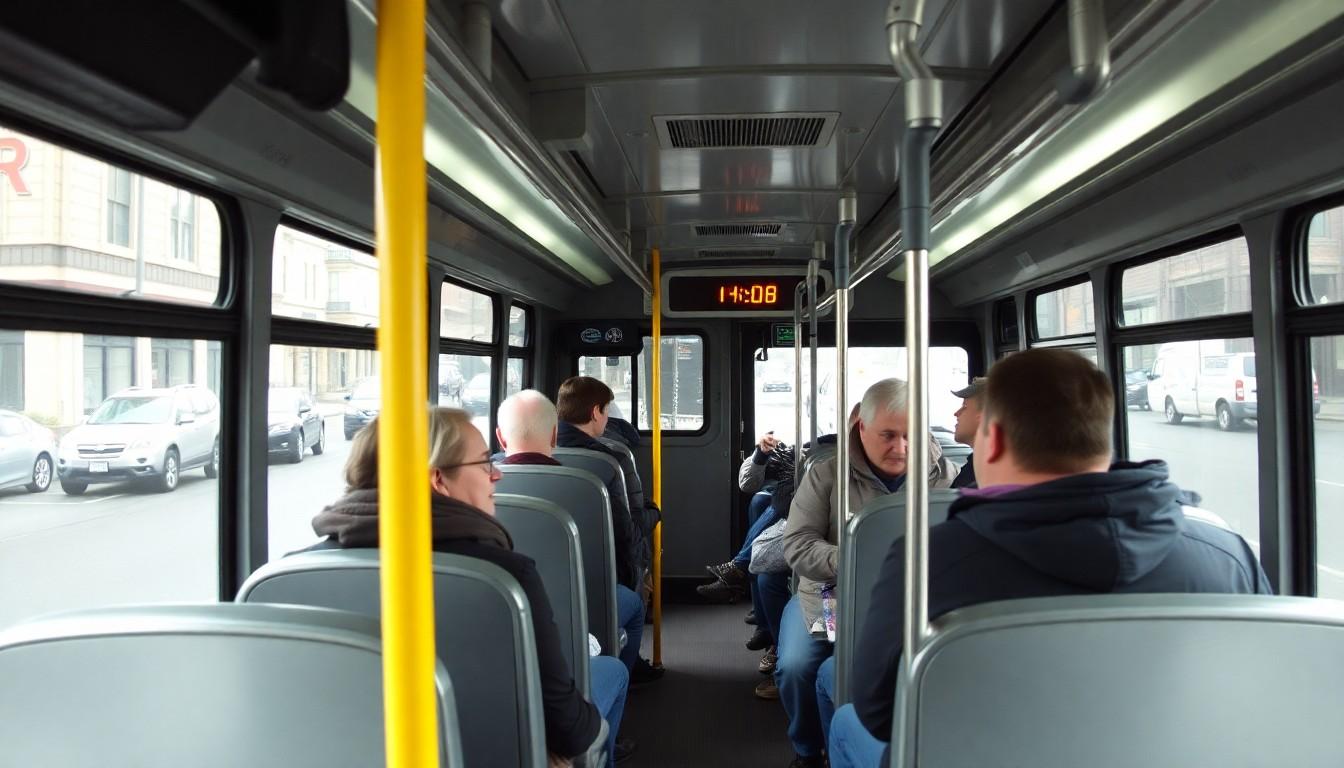
People love a good label, and the “Seattle Freeze” has legs. But according to local histories and community accounts, that chilly social myth mixes real behaviours , privacy, sardonic humour, cautious friendliness , with exaggeration. It helps to think of it less as rejection and more as a different social rhythm: polite at first, slower to trust. If you’re new, try small acts of engagement , a friendly nod on the bus, regular coffee-shop visits, volunteer shifts , and you’ll find warmth follows routine. The city’s social habits are practical as much as cultural.
Why queer and activist histories define the city more than coffee
Walk into any Pride march or look back at coverage of past protests and you’ll see how Seattle’s character formed in public, noisy spaces. LGBTQ+ organising, community papers and public demonstrations helped carve out social life that prizes inclusion and defiance. That legacy matters now because it shapes local priorities , from protecting public parks to insisting on representation at events. If you want to plug into Seattle’s authentic energy, support civic groups and queer institutions; they’re where the city’s values are practised, not just preached.
Gentrification and billionaires: the real pressures on local culture
There’s a difference between cultural change and cultural erasure, and many locals worry about the latter. As multinational corporations and ultra-wealthy residents expand their influence, beloved businesses and gathering spots face closures or transformation. This isn’t just nostalgic hand-wringing; it’s about who gets to afford to participate in city life. The practical response is local: vote on development issues, shop at independent stores, and use public spaces intentionally. Small acts make a cumulative difference when money is reshaping the map.
How to be a good newcomer without surrendering your roots
Moving here doesn’t demand an oath to a checklist. Instead, treat Seattle like a conversation you’ve just joined: listen, learn, and add your voice without erasing others. Learn neighbourhood histories, attend community meetings, and show up for local causes. Bring your accent, your umbrella habits and your baked goods; the city’s collectivist streak rewards participation over pretense. And if someone claims a purity test of “Seattleness,” smile and side-step , the city’s best trait is its tolerance for being a bit weird.
It's a small cultural choice every day: show up, support local people and institutions, and the city keeps what makes it special.
Source Reference Map
Story idea inspired by: [1]
Sources by paragraph: