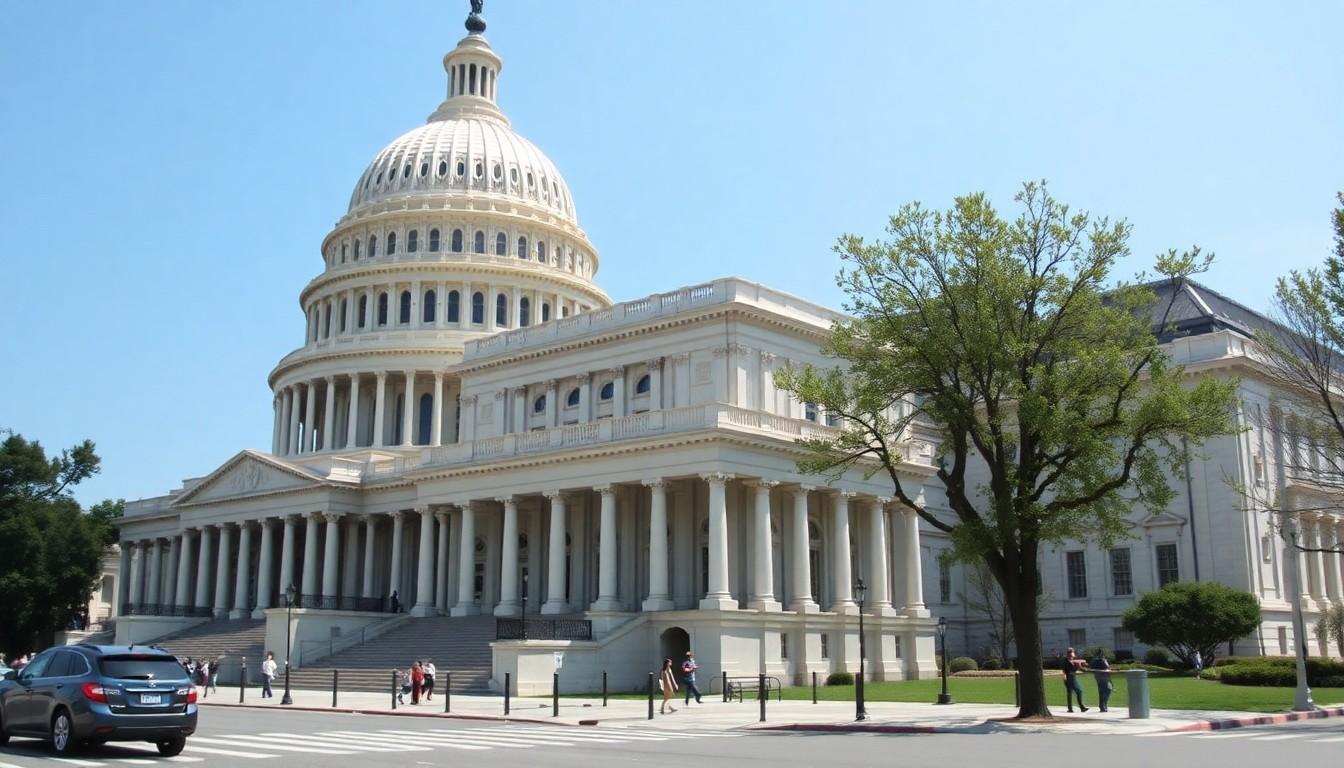
Shoppers of policy and allies are turning up the pressure: New York City non-profits travelled to Washington to urge Congress to shield Medicaid, stop proposed HIV funding cuts, and defend gender-affirming care , a practical, people-first push that matters for millions who rely on community health services.
Essential Takeaways
- Who mobilised: Amida Care, Housing Works, Callen-Lorde and a coalition of NYC groups visited Capitol Hill to meet New York’s congressional delegation and both senators.
- Main asks: Protect Medicaid from harmful implementation rules, oppose nearly $2bn in proposed HIV funding cuts, and fund community health centres that deliver holistic care.
- Why it matters: Targeted policies like work requirements could kick people off coverage, especially those living with HIV or with complex needs.
- Local stakes: Black and Latino gay and bisexual men, Black and Latina women, and trans people face disproportionately high new HIV diagnoses in NYC.
- Tone and tactics: This is billed as a sustained advocacy campaign , not a one-day photo op , with organised follow-ups in district offices.
Why New York groups brought healthcare to Capitol Hill
The image of community clinicians and advocates walking the halls of Congress is striking and a little reassuring, like seeing your local GP step into the national stage. Organisers told lawmakers that shifts in federal policy could unravel hard-won gains in prevention, treatment and supportive services. According to organisers, the trip built on a wider, ongoing campaign to keep pressure on members of Congress and their staff. This isn’t just theatre. Groups such as Amida Care and Callen-Lorde specialise in serving people with complex needs , they see every day what losing coverage would mean. Practical tip: if you want to support these efforts, follow local clinics’ advocacy pages and sign petitions or join constituent meetings in your district.
What’s at risk: Medicaid rules and funding cuts
Advocates singled out proposed changes in HR 1 that could introduce work or community engagement requirements for Medicaid. Those requirements often sound reasonable in the abstract, but the lived effect can be different , risking coverage for people who are sick, housing-insecure, or juggling unstable work. The coalition also warned about almost $2bn in cuts to HIV prevention and treatment, a number that would hit community programmes hard. Policy context matters: community health centres rely on steady federal funding to provide everything from dental care to behavioural health alongside HIV services. If you’re choosing where to direct donations, consider centres with integrated services; they tend to buffer funding shocks better.
Who’s leading the push and what they said
Leaders from Amida Care, Housing Works and Harlem United framed the trip as the start of a longer campaign, not an isolated lobbying day. Doug Wirth of Amida Care emphasised that New York’s investments have driven progress but warned those gains are at risk. Jacqui Kilmer of Harlem United highlighted stark racial disparities in new HIV infections, stressing that cuts would disproportionately hurt the communities that need services most. A practical note for constituents: reach out to your representative’s office to request meetings or share personal stories , lawmakers respond to concrete examples from voters in their districts.
The human consequences: who would feel it first
The coalition pointed to data showing Black and Latino gay and bisexual men account for roughly half of new HIV infections in NYC; Black and Latina women represent the vast majority of new infections among women; and trans people account for a notable share of new diagnoses. Those statistics underline that policy talk translates into daily realities , missed appointments, untreated infections, and lost support services. If you care about targeted impact, support programmes that combine housing, case management and medical care. Evidence shows integrated approaches reduce viral transmission and improve long-term health.
What comes next: sustained local and federal action
Organisers say they’ll continue the campaign in Washington and back home in district offices across New York, which suggests a longer advocacy season with more constituent outreach and follow-ups. Expect a mix of meetings, public education, and coordinated actions with allied groups. For individuals, the most useful steps are staying informed, contacting representatives, and supporting community-run clinics financially or as a volunteer. Looking ahead, the fight is likely to be iterative: policy battles, budget negotiations, and community responses. The good news is New York’s networked health ecosystem gives these groups a real base to push from.
It's a small change that can make every visit to the clinic a safer, more reliable experience.
Source Reference Map
Story idea inspired by: [1]
Sources by paragraph: