Shoppers are turning their attention to visibility and listening: at the 2026 PEUGEOT Attitude Pride Awards Europe in London, YouTuber Jessica Kellgren‑Fozard urged allies to simply listen to disabled queer people , a small, practical step that can change how communities are seen and supported.
Essential Takeaways
- Listen first: Jessica Kellgren‑Fozard asked allies to accept lived experiences without probing or doubting.
- Visibility matters: Positive representation of disabled and queer people remains scarce but is improving.
- One in three: Movement Advancement Project data highlights that roughly a third of LGBTQ+ people live with a disability.
- Use platforms for joy: Creators are emphasising “queer joy” and reframing disability as compatible with happiness.
- Practical allyship: Small acts , amplifying voices, accessible events, and basic respect , make everyday life safer and kinder.
Why listening is the simplest, most powerful allyship move
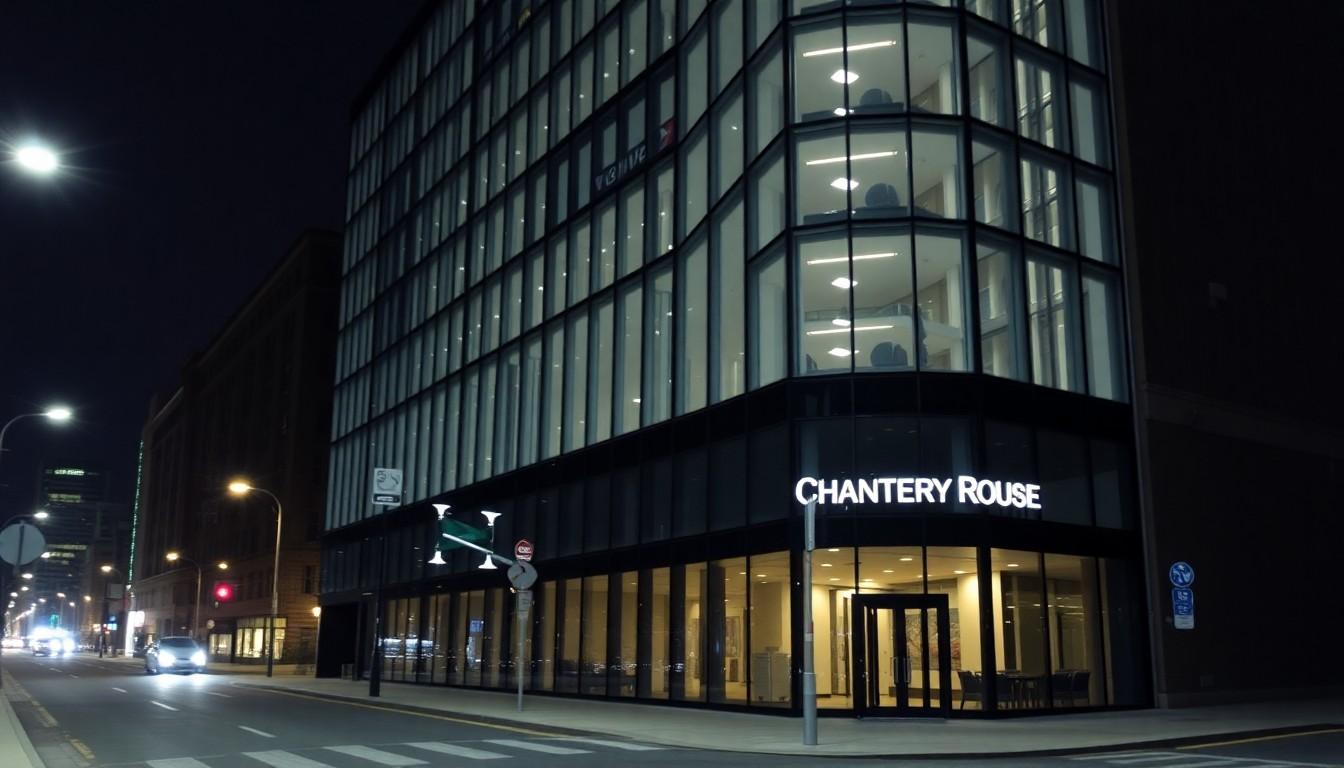
Jessica Kellgren‑Fozard’s message at the PEUGEOT Attitude Pride Awards Europe was refreshingly straightforward: listen. Saying less and hearing more is quietly radical when people’s realities are often questioned or medicalised. The red‑carpet setting at Chancery Rosewood, London, felt celebratory yet pointed , a reminder that ceremony and change can share the same space. According to Attitude, she urged allies to accept testimony without turning it into interrogation, which is practical and human advice anyone can adopt today.
Visibility still lags , and that’s why representation matters
Kellgren‑Fozard spoke about not seeing positive portrayals of disabled or queer people growing up, and that echoes a wider problem. Representation shapes expectations: if the only stories shown are tragic or patronising, it narrows what people imagine for themselves. Brands and media are waking up , Peugeot and Attitude’s ongoing partnership for the Pride Awards shows institutional interest , but there’s more to do. Support creators who show joyful, complex lives; that’s a simple way to shift the cultural picture.
One third of the queer community lives with disability , consider accessibility
The Movement Advancement Project statistic Kellgren‑Fozard referenced is worth repeating: roughly one in three LGBTQ+ people have a disability. That’s not a niche concern, it’s mainstream. So event organisers, venues, employers and friends should stop treating accessibility as optional. Think captioning for videos, step‑free venues, quiet spaces at events, clear transport info. Practicality matters: if you’re hosting something, ask disabled people what they need and act on it.
Using platforms to spread queer joy , why tone matters
Instead of only documenting hardship, creators like Kellgren‑Fozard are using large followings to normalise happiness, relationships, fashion and everyday fun in disabled queer lives. That tonal shift , from trauma‑centred narratives to joy and everyday routines , helps cut through pity and fetishisation alike. If you follow influencers or commission work, choose voices that diversify portrayals. It’s not just kinder, it’s culturally richer.
How allies can act this Pride Month , quick, useful steps
Start small and consistent. Share and credit posts from disabled queer creators, ask event hosts about access needs, amplify fundraising or policy campaigns that matter, and don’t turn private experiences into public curiosity. If someone discloses anything about their bodies or health, accept it without cross‑examining. And if you’re organising Pride activities, factor in accessible transport, seating, and communication options from the planning stage.
It's a small change that can make every conversation and celebration feel safer and more joyful.
Source Reference Map
Story idea inspired by: [1]
Sources by paragraph: