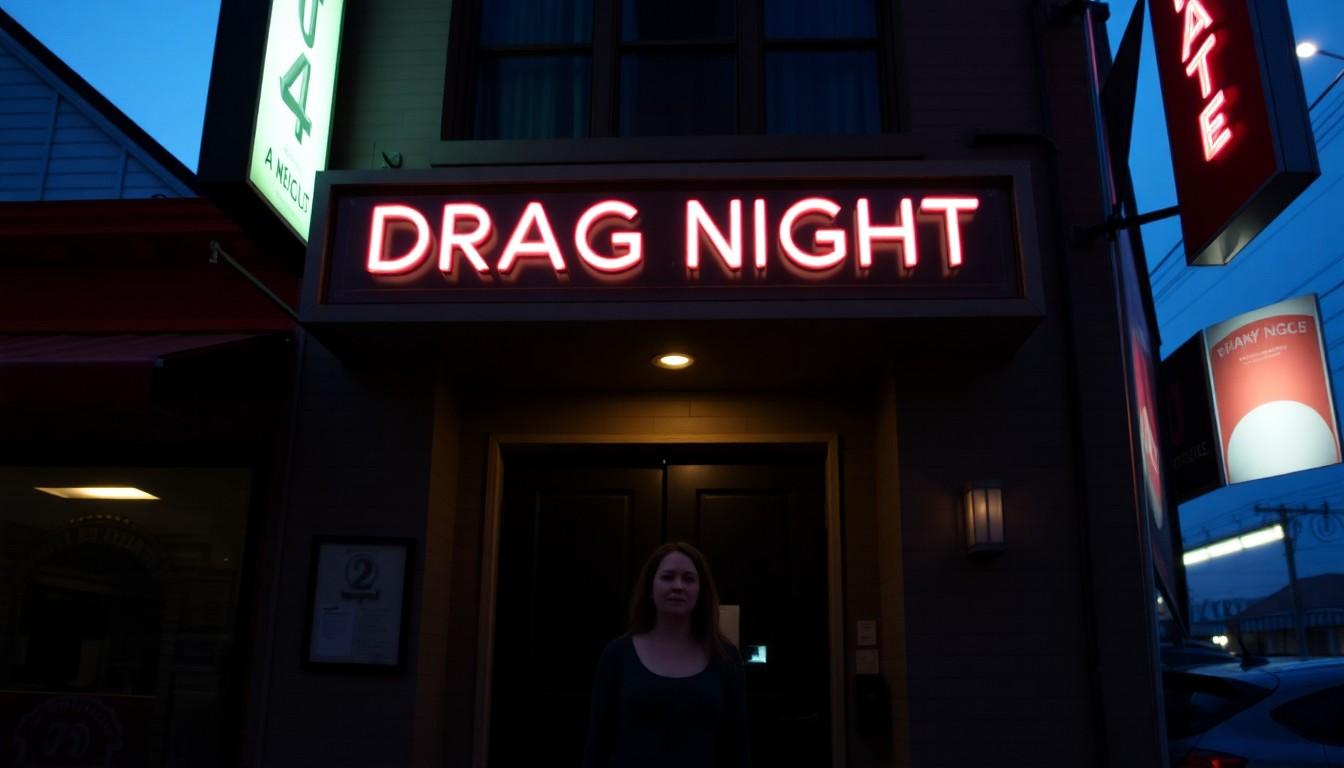
Notice how applause, tips and attention can change a show , straight attendees are guests in a culture with deep roots, and knowing a little history and etiquette makes everyone’s night better.
Essential takeaways
- Know the roots: Drag originated in Black queer and trans communities and grew through balls and underground scenes, so showing respect matters.
- Participate loudly: Clapping, cheering and vocal support are part of the performance; performers rely on audience energy.
- Tip generously: Cash tips during numbers are traditional and valued for both income and appreciation , bring small bills.
- Mind your behaviour: Don’t talk over performers, don’t heckle, and follow venue rules; safety for trans performers is non-negotiable.
- Learn before you go: A little background on drag history and terms helps you be a better, less intrusive guest.
Why applause, tips and noise actually change the show
Drag thrives on audience reaction; performers tune their timing to cheers, snaps and dollar bills. That roar lifts a number from good to electric, and a quiet crowd can flatten even the best choreography. According to historical accounts of drag balls and early queer nightlife, those events were as much communal ritual as entertainment, with audience response central to the experience. So when you’re at a show, bring that energy , your voice and your wallet both send an important message.
Remember where drag comes from , it’s not just TV glamour
Drag culture was shaped in Black and trans communities, from underground balls to the stages that birthed voguing and runway performance. Pop culture has popularised a glossy version of drag, but that doesn’t erase its roots or the vulnerabilities performers still face. Resources like historical features and advocacy groups explain this lineage plainly, and a quick read before your night out will make you a more mindful guest. Treat the art form with the historical respect it deserves.
Practical etiquette: how to behave at a drag show
Start by turning your phone to silent and keeping chatter to a minimum during numbers. Clap, scream, snap or cheer loudly , silence feels like a slight. If you want to tip, step up to the stage area or hand dollars to the performer when invited; cash is still the easiest and most appreciated form. Don’t harass performers or monopolise their time, and if you’re unsure about photos or touching, ask. Venues often post rules; follow them for everyone’s safety and comfort.
Tipping culture: why dollars matter more than you think
Many performers rely on tips as a major part of their income, especially in smaller venues or community nights. Tipping during a number is a direct, visible sign of appreciation and helps sustain performers between gigs. Bring small bills and have them ready , you’ll be able to join the call-and-response rhythm without fumbling for change. If you care about keeping drag spaces thriving and accessible, tipping isn’t optional, it’s part of being a good guest.
What to do if you see bad behaviour , and why it’s serious
If someone is talking over the MC, making transphobic comments, or otherwise disrupting the space, speak up or alert staff. Drag rooms are meant to be inclusive and safe, particularly at a time when trans people face heightened violence. Venue staff and performers deserve protection, and guests who refuse to respect that can be escorted out. Remember: you’re a guest in this culture, so help uphold the community norms that make these shows possible.
It’s a small shift , coming prepared, clapping loudly, and tipping , that makes every drag night feel fuller, safer and truer to its roots.
Source Reference Map
Story idea inspired by: [1]
Sources by paragraph: