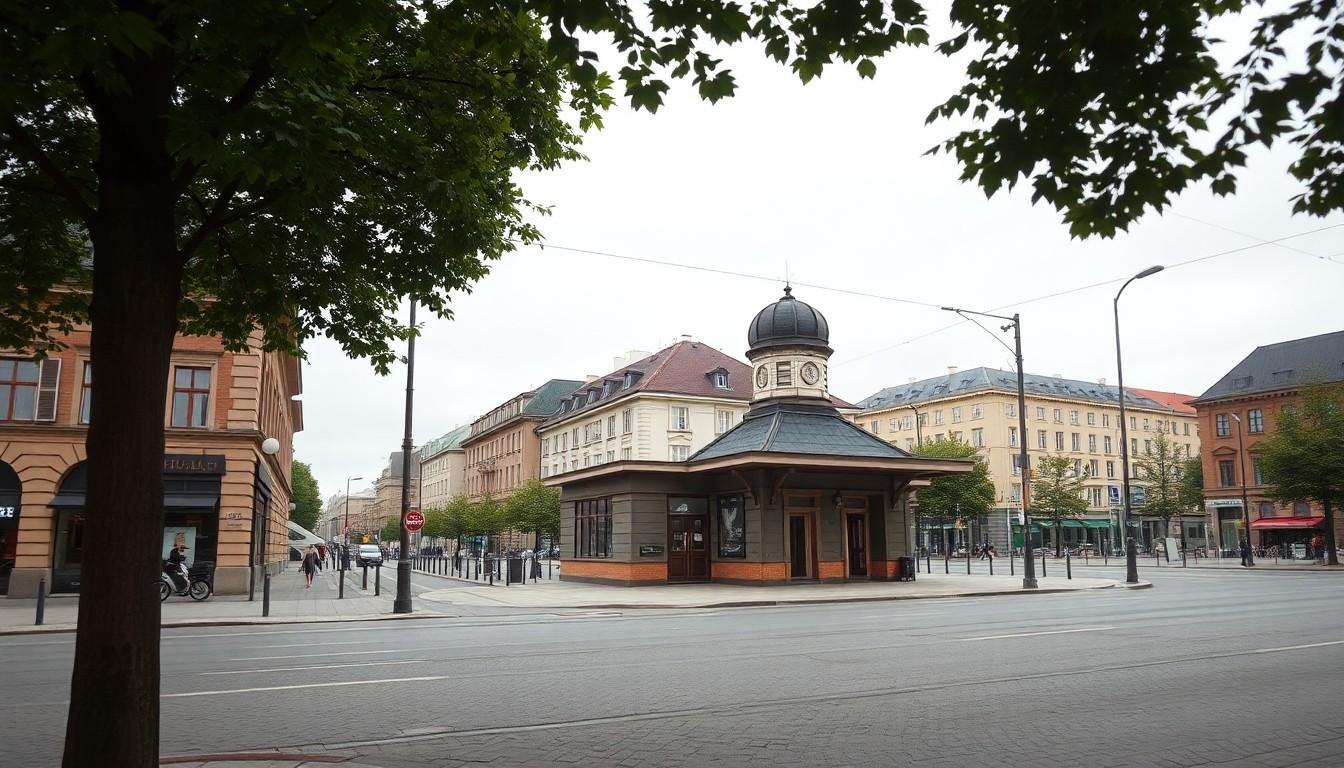
Discover strolling shows that make history sing , locals and visitors flock to Schöneberg’s queer walking tours to see sites of pride, pain and performance, learn why visibility still matters, and experience guided walks that are as theatrical as they are informative.
Essential Takeaways
- Live-led tours: Drag performers and community guides lead immersive three-hour walks around Nollendorfplatz and Motzstraße, mixing songs, anecdotes and visuals.
- Historic landmarks: Stops include the Magnus Hirschfeld sites, the Nollendorfplatz “Rosa Winkel” memorial and houses linked to Else Lasker-Schüler and AIDS activism.
- Up-close emotion: Tours blend humour and grief , expect moments of performance, quiet memorialising and frank discussion of violence and homophobia.
- Practical vibe: Tours are social and accessible, often finishing at queer cafés or bars; bring comfortable shoes and an open mind.
- Safety and visibility: Guides emphasise solidarity and public presence as resistance, while also warning that vandalism and harassment remain a reality.
Why Schöneberg’s queer tours feel like a living history lesson
Step onto the pavement and the past arrives in colour , sequins, lipstick and recorded songs mix with old photos and memorial plaques. These tours don’t just point out buildings; they bring layers of queer life into the open, making private stories public and palpable. According to several community listings, itineraries typically circle Nollendorfplatz, the Motzstraße corridor and nearby cultural sites, pairing performance with local history. If you want context, this is theatre with footnotes: you leave knowing names, dates and the shapes of struggles.
Drag guides: performance as pedagogy and protection
Guides who perform in drag add a theatrical pulse to each stop, but there’s more to it than spectacle. Many guides frame drag as a “shield” , a creative way to claim space while also teaching about discrimination and resilience. Tours led by drag artists fuse music, lipsync and storytelling, and they often end with a communal atmosphere at a queer café or bar. If you’re booking, check whether the tour is led by a performer or a historian; both offer insight, but the tone shifts from reflective to exuberant.
The landmarks that anchor the routes
Expect to see several must‑visit places: the Nollendorfplatz station with its “im Regenbogenkiez” addition, the triangular red-granite Rosa Winkel memorial, Magnus Hirschfeld-related sites and the former homes of queer creatives like Else Lasker‑Schüler. Walks also pause at AIDS memorials and community hubs such as queer bookshops and test centres. Guides point out how these sites link across a century, from Weimar liberations through the trauma of Nazi persecution to the AIDS crisis and present-day fights over trans and drag rights.
What the tours tell us about the present: backlash and bravery
While the tours celebrate gains, they don’t sugarcoat the risks. Guides frequently report vandalism against memorials and rising hostility , insults from passing cars, threats to visible community members, and attacks on trans and drag people. Organisers and guides see visibility as an act of defiance: showing up together is both practical solidarity and a political statement. For visitors, that mix of joy and fragility is instructive and moving.
Practical tips: how to pick and enjoy a tour
Choose a tour that matches your appetite: performer-led for high drama and communal feeling, or history-focused if you want dense archival detail. Book ahead in summer weekends, bring water and comfy shoes, and plan to spend time afterwards in a local café to ask questions or debrief. If you’re attending as an ally, listen, follow the guide’s lead on safety advice, and consider supporting local queer venues and organisations afterwards.
It's a small, vivid way to learn , and to stand with a community that insists on being seen.
Source Reference Map
Story idea inspired by: [1]
Sources by paragraph: