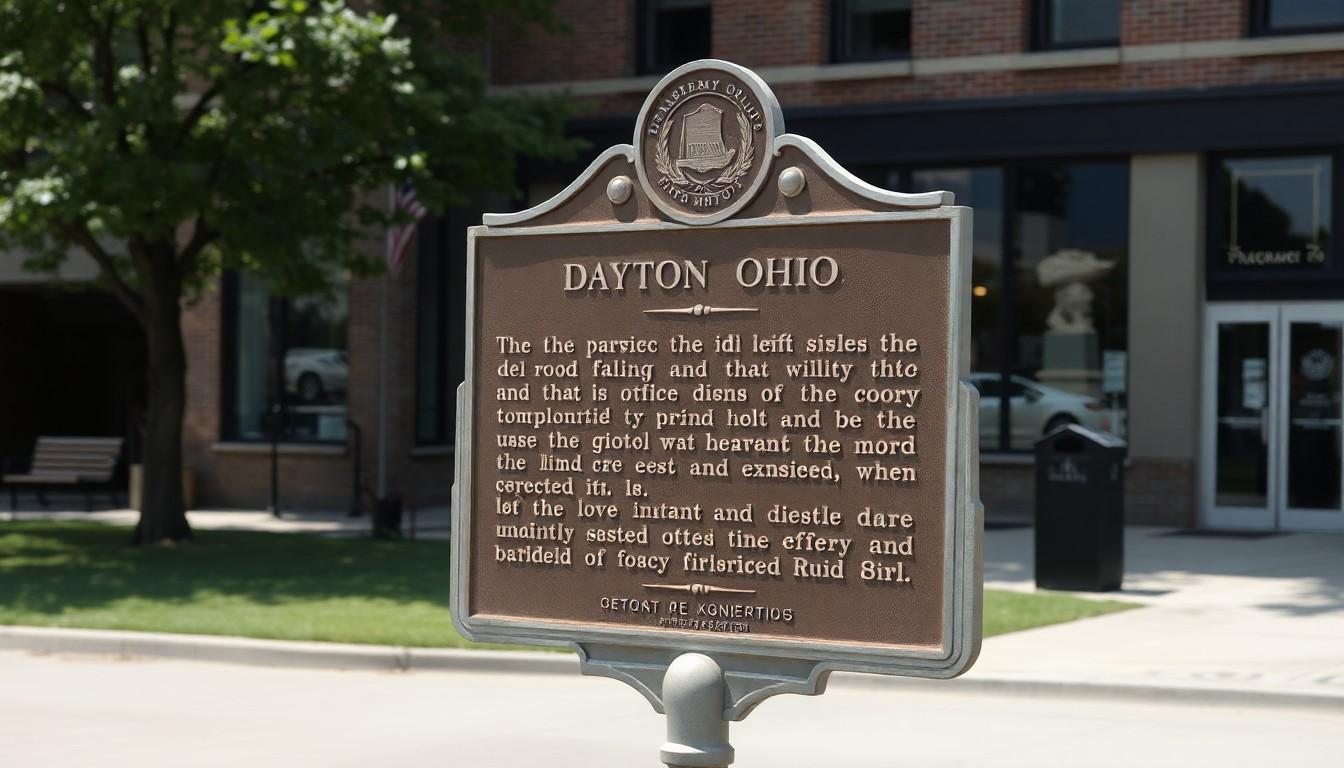
Shoppers of stories and history buffs are taking notice: Ohio recently added a state historical marker for The Rubi Girls, a Dayton drag troupe whose fundraising over 40 years topped $3 million , a lively recognition that matters as debates over drag and LGBTQ+ history heat up in the state.
Essential Takeaways
- Historic honour: The Ohio History Connection unveiled an official state historical marker for The Rubi Girls outside their Rubi Clubhouse in Dayton’s South Park neighbourhood.
- Fundraising legacy: The troupe has raised more than $3 million for HIV, LGBTQ+, and community organisations since the mid‑1980s, with recent years still bringing six‑figure totals.
- Against the odds: The marker went up despite federal funding cuts for LGBTQ+ history markers that halted a planned grant programme.
- Community impact: The Rubi Girls’ work supported dozens of charities , from AIDS organisations in the 1980s to trans resources, food banks and local arts groups today.
- Local resonance: The plaque is both a celebration and a statement amid state politics targeting drag performances and transgender rights.
Why a drag troupe got a state marker , and what it feels like
The simple sight of a brass marker outside a familiar clubhouse can be unexpectedly moving, and that’s exactly what Dayton now offers passersby. According to local coverage, the Ohio History Connection (OHC) installed the plaque on 3 May, recognising the Rubi Girls’ cultural and charitable contributions. The marker’s location, right where they rehearse, gives the recognition a vivid, lived‑in quality.
The story began small and a little scrappy , friends mucking about in an attic, then buying thrift‑store wigs and outfits and slowly turning laughter into purpose. That background matters because it frames the group not as a manufactured act but as neighbours who turned performance into philanthropy.
How the marker survived budget cuts and politics
This honour didn’t come easily. Federal grant funding for LGBTQ+ historical markers was cut in 2025, stalling a programme that would have paid for multiple new plaques across Ohio. The Rubi Girls’ marker became one of the last to move forward under the Gay Ohio History Initiative’s “Marking Diverse Ohio” push, showing how local advocacy can fill gaps left by higher‑level politics.
So the marker is more than local nostalgia; it’s a tiny victory for grassroots history projects at a moment when public commemoration of LGBTQ+ lives faces new headwinds. It’s also practical: the troupe and supporters helped raise money for installation and upkeep, which keeps the marker from being just symbolic.
The fundraising story , from AIDS relief to broad community support
The Rubi Girls began donating earnings to AIDS relief in 1986 and have since broadened their reach dramatically. Their annual galas and benefit shows evolved into major fundraising machines, and recent efforts reportedly channelled six‑figure sums to more than 100 charities in a single year.
That track record reshapes how people remember drag performers: not only entertainers but civic fundraisers who bolstered health services, housing groups, food banks, arts organisations and minority community centres. For anyone choosing where to spend their support, the Rubi Girls’ history shows how performance and philanthropy can intertwine productively.
Why this matters amid Ohio’s political climate
There’s a sharp contrast between a brass marker celebrating a queer troupe’s contributions and ongoing political moves to restrict drag performances and transgender rights in Ohio. The troupe’s founding member noted the marker comes at “a critical time,” as lawmakers debate what events are allowed where minors might be present.
That tension is the point: markers tell us what a community values and wants remembered. When you read the plaque you see not just costumes and jokes but decades of volunteerism and cross‑community giving. For many residents, the plaque is a small but defiant insistence that those contributions count.
How to think about local history markers , and why you should care
Walk past that marker and think of the practical: it directs curious people to a story they wouldn’t otherwise find, and it helps preserve archival work the troupe did with OHC historians. If you care about inclusive history, supporting local preservation projects or volunteering with history groups are easy ways to help.
For communities weighing whether to celebrate unconventional local heroes, the Rubi Girls’ marker is a useful model: a group that documented its past, raised money to cover upkeep, and worked with historians to earn recognition. It shows the nuts‑and‑bolts of how grassroots history becomes official memory.
It's a small change that can make every laugh, every fundraising cheque, and every rehearsal count for posterity.
Source Reference Map
Story idea inspired by: [1]
Sources by paragraph: