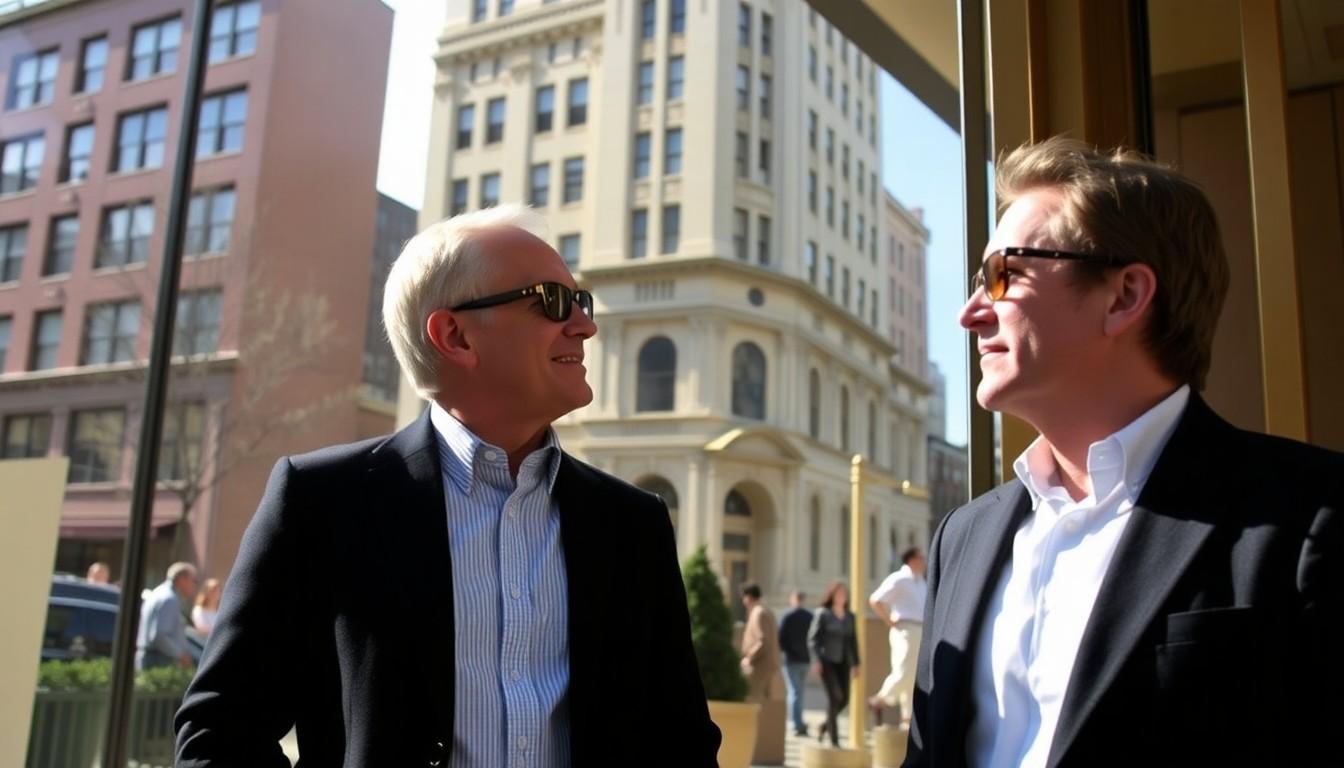
Shoppers and style insiders are helping usher in a new cultural landmark: fashion titan Michael Kors and his husband Lance Le Pere quietly rallied the industry for the American LGBTQ+ Museum, hosting a Madison Avenue cocktail to raise awareness and invite the community to shape a museum that opens in 2028.
Essential Takeaways
- High-profile backing: Michael Kors and Lance Le Pere joined the museum’s board as trustees and are actively advising the project.
- Community-first tone: The museum team invited guests to preview the space and contribute perspectives ahead of the 2028 opening.
- Curatorial highlights: Planned shows include a ballroom history curated by Hilton Als and fashion-focused exhibitions such as one on Rudi Gernreich.
- Emotional resonance: Kors publicly honoured designers and creatives lost to the AIDS crisis, underscoring the museum’s role in remembrance.
- Accessible energy: Guests described the event as warm and convivial, with a lively, intimate vibe despite a surprise storm outside.
A glossy invitation with genuine purpose
Michael Kors turned his Madison Avenue boutique into an after-hours salon to introduce the fashion community to a project that feels overdue , America’s first dedicated LGBTQ+ museum. The room had the soft hum of conversation and the kind of polished, friendly energy you get when people who work in visual culture come together; it didn’t feel like grandstanding, more like a neighbourhood housewarming for an institution that aims to tell real lives.
Kors and Le Pere began talking with museum leaders about two years ago and have since joined the board as trustees, bringing both name recognition and practical input. According to museum representatives, Kors urged the team to add “a little sizzle,” encouraging exhibitions that connect with broader audiences rather than preaching only to the converted.
Exhibitions that promise both history and spectacle
The museum’s early plans mix scholarly rigour with crowd-pleasing moments. A history of ballroom culture, curated by Hilton Als, will trace performance and identity from the 1800s through Madonna’s Vogue era, while fashion exhibitions will highlight groundbreaking designers such as Rudi Gernreich. That blend signals an institution that wants to teach and entertain.
For visitors, that means you can expect immersive storytelling alongside archival displays , the kind of show that smells faintly of old paper and glamour, and leaves you thinking. If you care about costume, culture or queer social history, this is an institution to watch; it’s being shaped by curators who understand how to balance context and spectacle.
Why fashion people are showing up
Kors’s toast at the event was part rallying cry, part elegy. He named designers who helped shape modern fashion and acknowledged those the industry lost during the AIDS crisis, noting the personal and professional void their deaths created. That remembrance is central to the museum’s mission: preserving memory as much as celebrating style.
Fashion’s involvement isn’t performative here. The industry has been intertwined with LGBTQ+ creativity for decades, and designers’ financial and advisory support can help the museum build exhibitions, acquire objects and reach wide audiences. For the public, that means shows that might otherwise sit behind academic doors will be widely accessible and visually compelling.
What this museum could mean for New York and beyond
Planned to open as part of the New York Historical on the Upper West Side in 2028, the museum aims to be both local landmark and national resource. That location places it within reach of tourists and longtime New Yorkers alike, and the partnership with an established historical institution offers curatorial muscle and infrastructure from day one.
Expect programmes that extend beyond galleries: talks, performances, and community-driven initiatives that put lived experience at the centre. For families, students and visitors, that adds up to a place where you can learn, reflect and celebrate queer histories in a single trip.
How to be part of the story now
You don’t have to wait until 2028 to engage. The museum team has been inviting industry insiders and interested members of the public to preview plans and offer feedback. If you’re a collector, an academic, or someone who simply cares about queer history, reach out to the museum’s membership or volunteer pages to get involved.
And if you’re planning a visit to New York in coming years, pencil this museum in; it promises to be one of those cultural openings that feels both timely and long overdue.
It's a small change in address but a big step for representation , watch this space.
Source Reference Map
Story idea inspired by: [1]
Sources by paragraph: