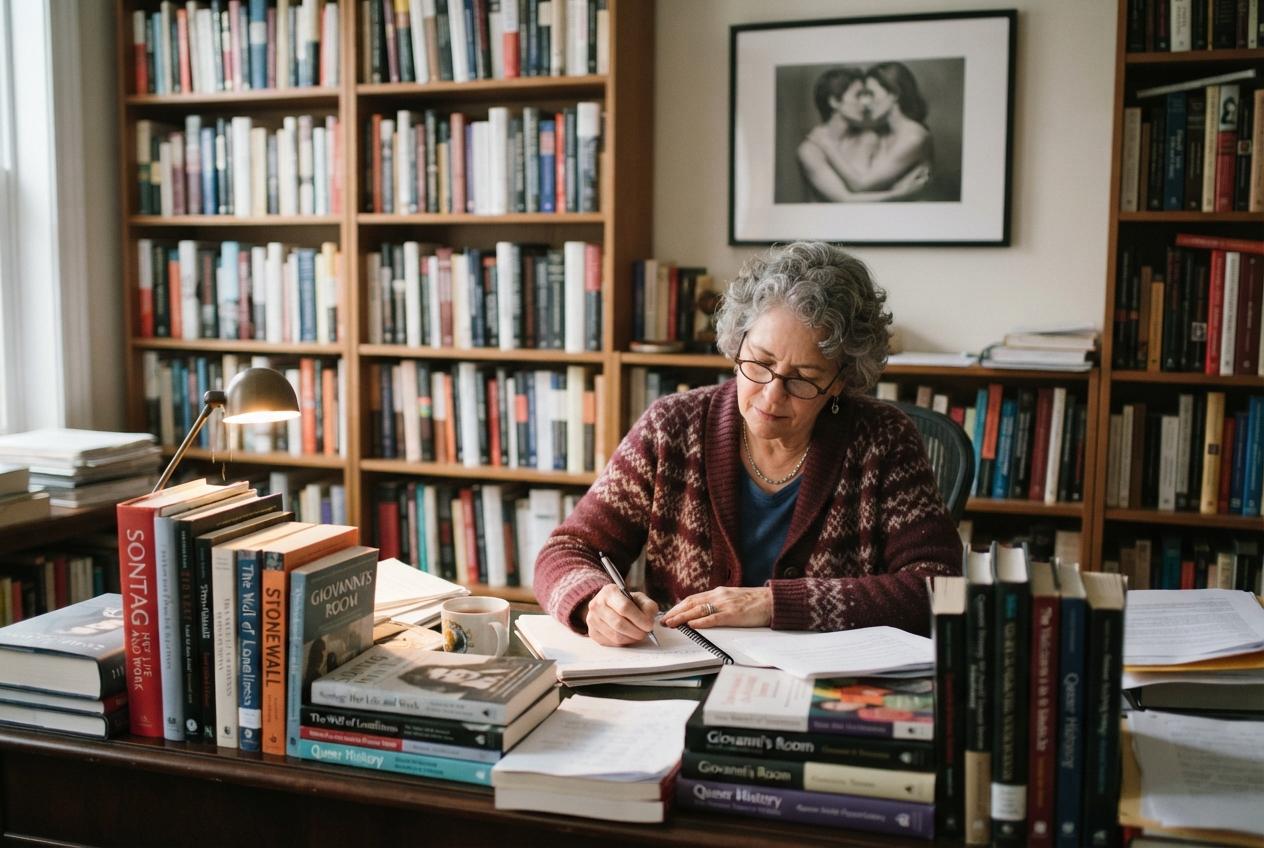
Spotlight the art, respect the reader: bloggers and small publishers are rethinking how they present nude imagery online, who it’s for, and why context matters. This guide looks at tasteful display, legal and platform rules, and practical tips for posting nude photographs and art responsibly.
Essential Takeaways
- Be clear up front: a brief, polite content warning helps set expectations and shows respect for younger or sensitive readers.
- Credit and provenance matter: say where images come from and offer to remove material if an owner objects , it protects you and earns goodwill.
- Mind the rules: different platforms and countries treat nudity, erotic art, and sexual content differently; check hosting and distribution policies.
- Context beats shock: essays, historical notes, or art commentary make nudity clearly educational or cultural rather than gratuitous.
- Practical moderation: pixelation, captions, and category tags help you control discoverability and audience.
Lead with a considerate content warning
A simple, calm note at the top of a post takes the guesswork out of visiting. Readers appreciate knowing whether images include non-sexual nudity before they scroll, and parents or those at work can make a quick decision. According to common practice on many blogs and community sites, that upfront line is often all you need to be both honest and welcoming.
The practice has a practical side too: it reduces surprise complaints and shows you’re thinking about audience diversity. If your blog covers history, art or queer culture, framing nude photos as educational or illustrative helps place them squarely within a cultural conversation rather than an anonymous image dump.
Always cite your sources and offer takedowns
Transparency about where you found an image , a museum archive, another blog, a public domain source , is good manners and sensible risk management. Saying “I’ll take it down if you own it” isn’t just courteous, it’s how many small publishers avoid copyright headaches.
Sites such as Wikimedia and museum databases can provide images with clear licensing. When you can’t confirm rights, consider linking to the original instead of republishing the file. That way you still direct readers to the work while reducing legal exposure.
Know platform and legal rules before you post
Not all nudity is treated the same online. Platforms and services distinguish between fine-art nudity, erotic art, and sexual content, and that affects how easily your posts show up in searches or whether they’re age-gated. Platforms’ help centres and policies explain these distinctions in plain terms.
If you host on a third-party platform, read its rules on “adult content” and tagging. If you run your own site, be aware of local laws around indecent images and age restrictions. Simple steps , adding an age gate, using tags, or flagging posts as containing nudity , keep you on the right side of those rules.
Contextualise images with commentary and links
A short essay, catalogue-style caption or a historical note transforms a photograph into an entry point for learning. Readers tend to engage more with images that have a story, a date, or a cultural note attached, and that framing helps sites and moderators see the material as educational.
Linking to authoritative sources , museum pages, academic articles or encyclopaedia entries , strengthens your post. It signals you’re not posting for titillation, you’re contributing to a conversation about art, identity or history.
Practical presentation tips for a polished, reader-friendly blog
Use category tags and an explicit “contains nudity” label so readers can filter content. Consider a tasteful thumbnail that avoids explicit detail, then reveal the full image with a click. Keep captions concise and informative , name the work, artist, date and source where possible.
If complaints arise, respond promptly and calmly. Offering to remove an image or credit an owner usually settles disputes quickly. Over time, a consistent, respectful approach builds a readership that trusts your editorial judgment.
It's a small change that can make every post feel more thoughtful and safer for readers.
Source Reference Map
Story idea inspired by: [1]
Sources by paragraph: