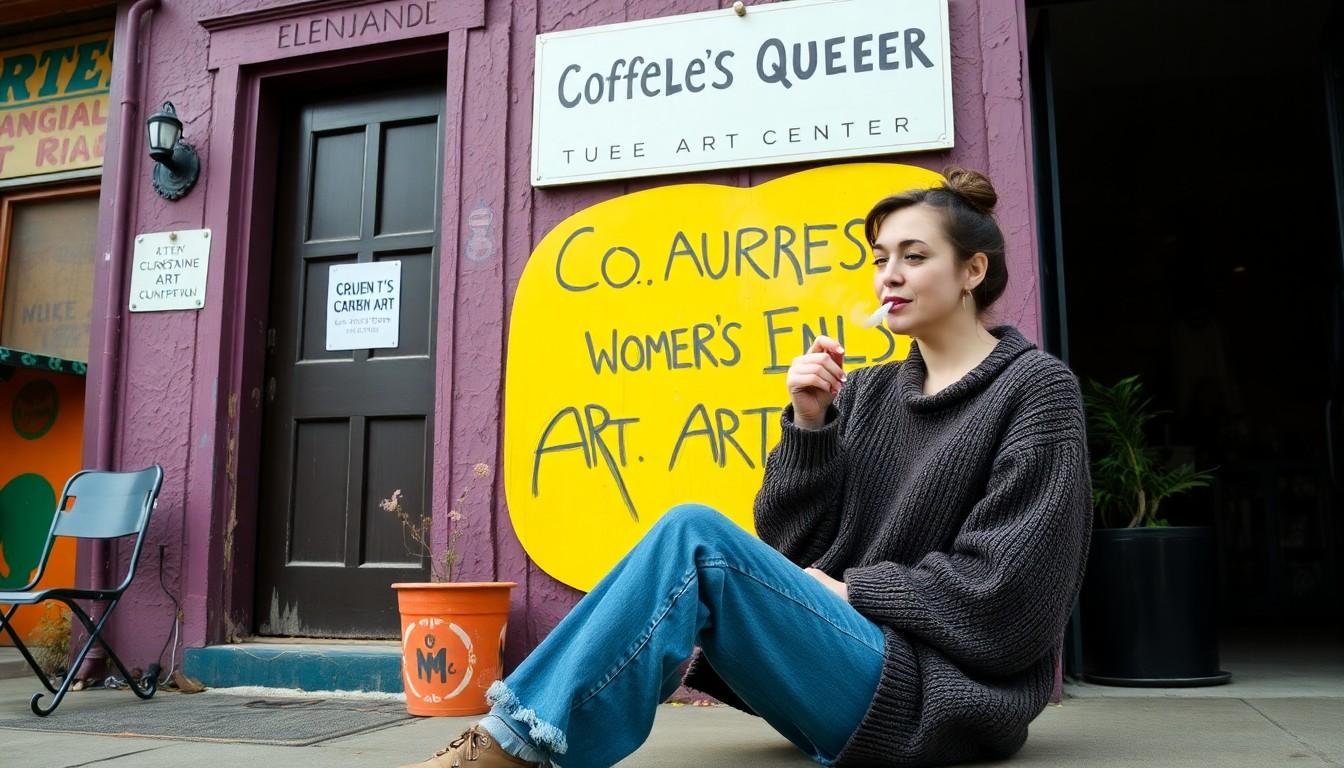
Shifting the lens: photographers, curators and communities are reworking how dyke culture is seen, staged and shared , and it matters because visibility shapes history, belonging and power. Here’s why contemporary photo projects feel both intimate and political, and how to spot work that genuinely centres queer women.
Essential Takeaways
- Queer perspective matters: Photographers who identify as lesbian, bisexual or queer women bring lived insight that changes subject choice, framing and tone.
- Materials and choices speak: Creative decisions , from medium to scale , are read as political acts, even when imagery feels personal or everyday.
- Community-led projects feel different: Work made in dialogue with subjects tends to be more collaborative, nuanced and lasting.
- Look for context, not just aesthetics: Captions, essays and exhibition framing often reveal intent and ethical practice.
- Practical viewing tip: Seek artists’ statements and press materials to understand who was involved and why a series was made.
Why the photographer’s identity shifts the image
The first thing you notice is intimacy , photos that feel like they were taken by someone inside the room rather than a distant observer. That closeness changes what gets photographed and how it’s shown: domestic scenes, ceremonies, gestures and clothes carry meaning beyond surface beauty. According to writers and artists in the queer art world, the choices an artist makes , materials, scale, even where an image is shown , register as political acts. For viewers, that means a portrait can be both tender and deliberately corrective, countering decades of invisibility.
How creative choices read as politics
It’s tempting to separate prettiness from politics, but curators and artists argue those categories are inseparable. A seemingly simple choice , to shoot on film, to print large, to sequence images into a diptych , shapes how a subject is seen and remembered. Contemporary projects often spotlight those formal decisions, using them to question the historical canon and to claim space within fine art institutions. If you want to understand a body of work, follow the decisions: they’re the clues to intent.
Collaboration, consent and the ethics of portraiture
One clear trend is collaborative practice: photographers are increasingly working with communities rather than about them. That might mean co-producing images, sharing captions, or involving subjects in exhibition plans. The result is work that feels respectful, layered and durable. For anyone curating or collecting, a simple test is to look for evidence of consent and input in the project notes , it’s a good indicator that the images were made with care, not extraction.
Where dyke culture photographs show up now
Photos that centre queer women aren’t just in LGBTQ+ spaces anymore; they’re appearing in galleries, festivals and online projects that aim to broaden the conversation. That visibility is welcome, but it comes with caveats: institutions still decide whose work gets attention and how it’s contextualised. As a viewer, pay attention to the framing language , essays, wall texts and talks can either deepen understanding or flatten complex lives into a single narrative.
How to look, collect or write about this work
If you’re interested in supporting photographers, start by reading artists’ statements and exhibition texts to get the backstory. When buying or featuring images, ask about the process: who was involved, how were subjects compensated, and what were the ethical choices? For casual viewers, follow artists and small press projects that foreground queer women’s voices; their feeds are often the best places to discover new work and to understand why an image matters beyond its composition.
It's a small change in the way we look that can reframe whole histories , and it's worth paying attention.
Source Reference Map
Story idea inspired by: [1]
Sources by paragraph: