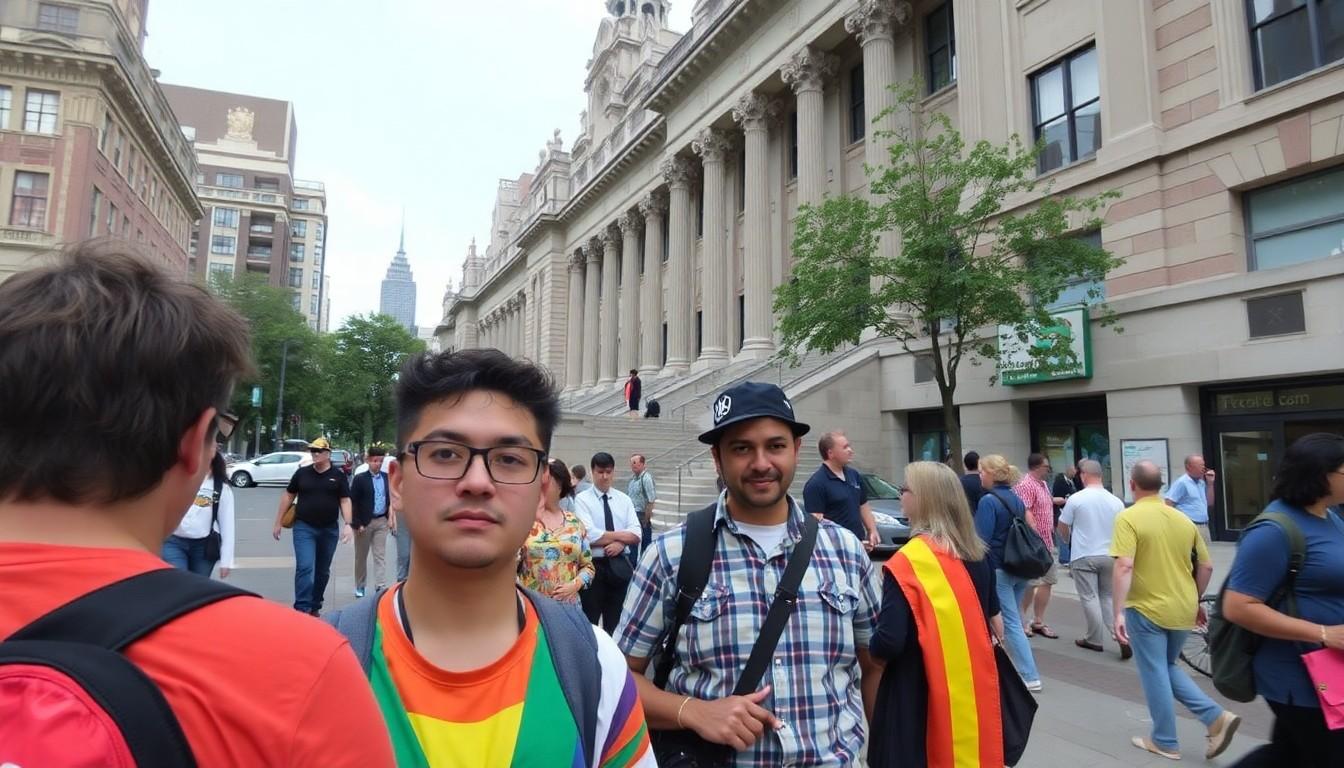
Shoppers, revels and residents are being urged to speak up: Philadelphia City Councilmember Rue Landau has launched an online survey to gather first‑hand accounts from people who witnessed or experienced policing during Pride in the Gayborhood, and those stories will shape a planned public hearing and possible changes.
Essential Takeaways
- Who’s asking: City Councilmember Rue Landau is collecting testimony from LGBTQ+ community members and allies via an online survey.
- What happened: Complaints include masked officers, kettling, baton strikes, verbal threats, taser display, and blocking access for pedestrians and vehicles.
- Why it matters: The survey will inform a City Council hearing intended to record experiences, probe planning and policing decisions, and recommend accountability measures.
- Practical note: Respondents can stay anonymous on the form, but Landau’s team may follow up for clarity and resources.
- Emotional cue: Many in the community describe feeling intimidated, singled out, and less safe during what should be a celebratory moment.
Why City Hall wants your story now
Landau introduced a resolution in June to hold a hearing about policing during Pride, and now her office is gathering testimony to build the public record. The survey is a pragmatic first step, and it’s designed to capture a range of experiences , from people who saw scenes unfold to those who felt directly targeted. That sense of urgency comes from community reports that Pride felt very different to other large celebrations in the city, and City Council wants evidence before a hearing is scheduled.
What people are being asked to describe
The form invites details about what witnesses saw and how individuals were affected , think who was involved, where it happened, and whether injuries or discrimination occurred. Accounts already shared at a Council meeting mentioned masked officers (which raised legal questions), kettling, and interactions that misgendered or disrespected disabled attendees. Landau’s office says it will treat contact details with discretion and offer follow‑up resources where needed.
How this hearing could change policing or policy
A public hearing doesn’t instantly change policy, but it creates a transparent forum where decision‑makers can ask how plans were made and why tactics changed in real time. According to local reporting, police leaders have acknowledged mistakes; a hearing would let community members challenge, clarify, and push for concrete reforms. Expect recommendations to focus on planning, de‑escalation training, crowd management standards, and better communications with organisers.
Who should submit, and how to prepare testimony
Anyone who witnessed the events , residents, business owners, Pride attendees, medics, or staff , can fill out the survey, whether or not they plan to speak publicly. Landau’s office encourages people to note times, locations, and details, and to upload photos or video if they have them. If you prefer privacy, choose the anonymous option, but be aware staff may contact you for context if you provide details. Practical tip: jot down notes soon after the incident while memories are fresh, and include contact preferences to speed up any follow up.
What to expect at the hearing and afterwards
Landau hopes the hearing will happen before the end of summer and that it will centre community voices rather than pre‑empt solutions. City Council hearings are often the start of accountability conversations, not their conclusion, so look for a mix of testimony, official explanations, and calls for policies to prevent repeat incidents. For community members, this is a chance to put experiences on record and influence the roadmap for any reforms.
It’s a small but significant way to make sure Pride memories include safety and dignity as well as colour and song.
Source Reference Map
Story idea inspired by: [1]
Sources by paragraph: