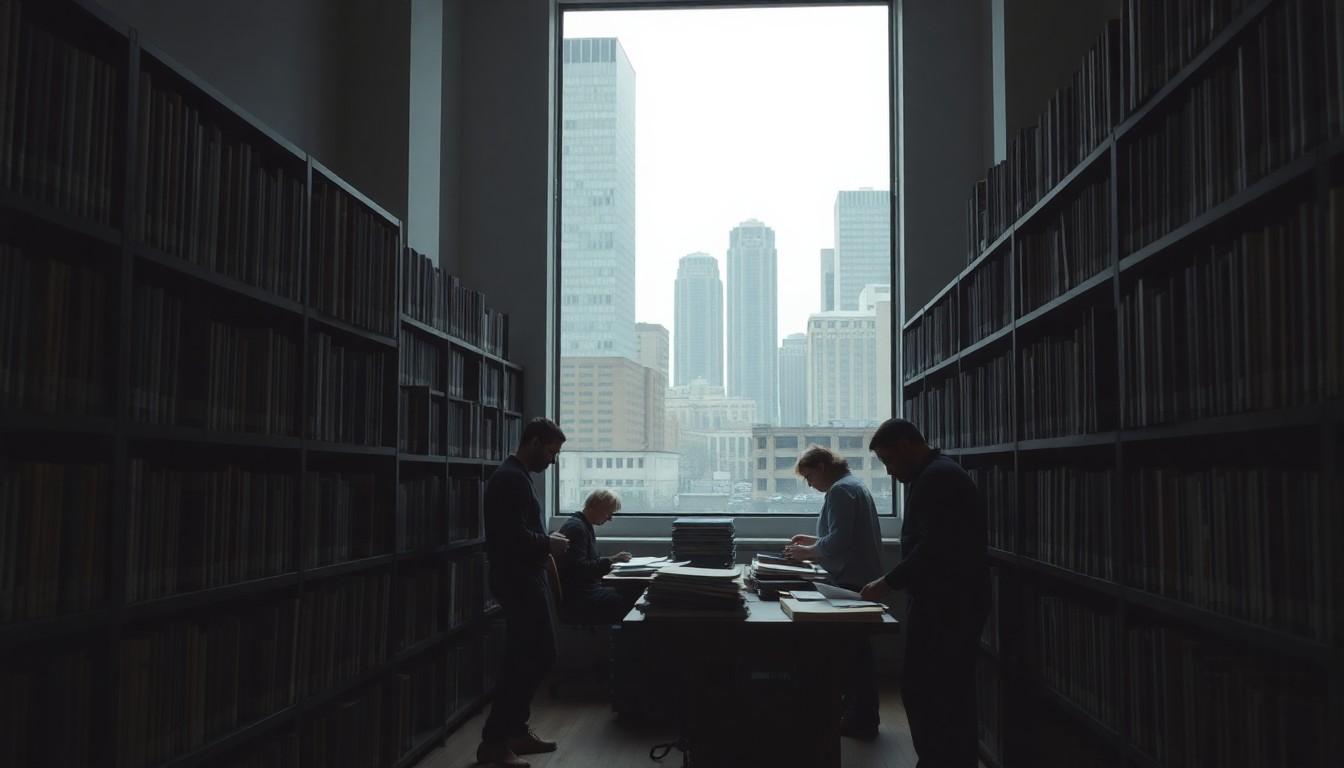
Shoppers of stories and guardians of memory are turning to community-led archives to rescue queer lives from erasure; this piece explores who’s doing the work, what tools they use, and why accessible queer archives matter for identity, activism, and future research.
Essential Takeaways
- Community-led focus: Queer archives centre lived experience and everyday ephemera that mainstream collections often ignore, making them emotionally resonant and culturally rich.
- Digital opportunity: Online platforms expand access and discovery, but they also risk disappearing bits of history if not properly preserved.
- Practical gaps: Unequal resources and misinformation threaten long-term survival; stewardship needs funding, training, and legal savvy.
- What you can do: Donate materials, volunteer time, or support local projects, small acts help keep queer memory visible and useful.
Why queer archives feel urgent now
Think of an old photo album, but multiplied across cities and communities; that tactile, slightly musty intimacy is what queer archives save. According to advocates and archivists, these collections aren’t just paper and pixels, they’re proof that people loved, organised, fought, and created. The recent Vanishing Culture series, produced by the Internet Archive and Authors Alliance, spotlights how queer memory is especially vulnerable to cultural neglect and digital decay. That urgency explains why community groups, artists, and researchers are stepping up to collect newspapers, zines, flyers, oral histories and objects that mainstream institutions historically overlooked.
Community collections do things libraries can’t
Community-led archives prioritise context: a leaflet from a 1980s protest sits beside a recorded interview with the organiser, so stories stay connected. Brooke Palmieri’s work with projects like CAMP BOOKS, and similar local efforts, shows how grassroots collecting reflects internal values and trust. Where national archives might catalogue papers abstractly, community archives keep the relationships and meanings intact, which matters when you’re teaching young people where they come from or fighting erasure. If you’re choosing which archive to support, look for projects that preserve both item and story.
Digital platforms expand reach , with caveats
Putting queer collections online opens doors for researchers, families, and curious strangers anywhere in the world. Digital hosting can surface marginalised histories that physical-only archives can’t. But digital isn’t foolproof: file formats degrade, links rot, and misinformation can spread if metadata is poor. The Vanishing Culture project and other commentators caution that digitisation needs standards and ongoing stewardship. Practical tip: when donating digital material, ask how files will be preserved, whether there’s a backup plan, and who controls access.
Common threats: funding, legal issues, and misinformation
Preservation costs time and money. Many queer archives run on volunteer labour and small grants, which makes long-term planning hard. Legal hurdles, copyright, privacy, and consent for oral histories, add complexity. Misinformation online can also distort queer histories if materials are taken out of context or altered. Industry advice is to document provenance clearly, secure permissions where possible, and build partnerships with legal clinics or sympathetic institutions to navigate tricky cases. Supporting archives financially or with pro bono skills helps more than just goodwill.
How to get involved without being performative
You don’t need to be an archivist to help. Donations of physical items, digitised family materials, or even a recorded conversation can be priceless; local archives will usually provide guidance on what matters. Volunteering skills , cataloguing, transcription, website maintenance, fundraising , fills real gaps. And show up respectfully: community archives are custodians of often-sensitive material, so follow their guidance on access and privacy. As Brooke Palmieri and others argue, participation should be collaborative and centred on the needs of the communities whose stories are being preserved.
It's a small change that can make every memory more likely to survive.
Source Reference Map
Story idea inspired by: [1]
Sources by paragraph: