Shoppers, fans and critics are paying attention to Love and Deepspace as its developer navigates cancellations, censorship and a fandom split , and why it matters to queer players, event attendees and anyone watching how global games handle identity.
Essential Takeaways
- Huge reach: Love and Deepspace has tens of millions of players and dozens of millions in downloads, making community rules consequential.
- Visibility problems: Organisers and moderators have reportedly restricted male presence at events and banned BL content in official channels, creating exclusionary vibes.
- Censorship context: Papergames’ Chinese origin complicates decisions, but the game’s international success means those choices ripple worldwide.
- Queer resilience: Queer fans are creating private spaces , Discord servers, alternate subreddits and roleplay communities , to enjoy the game free of hostility.
- Practical tip: If you’re a queer fan, look for unofficial, queer-friendly groups and check event policies in advance; if you’re an organiser, be transparent about selection criteria to avoid accusations of erasure.
What actually kicked off the uproar
The cancellation of a new werewolf love interest sent shockwaves through the fandom and beyond, but it wasn’t the only flashpoint. Reporters covering anniversary events say they were asked not to film men, while attendees claim male fans were quietly excluded from meet-and-greets. That mix of official action and fan backlash produced a story that reads less like internal drama and more like public relations misstep. According to coverage in gaming outlets, the Valko cancellation and subsequent handling exposed tensions between developer decisions and fan expectations, which quickly spiralled on social media.
Why queer fans feel unseen
Many queer men who play the game say they don’t expect canon queer romance , they know the narrative is hetero by design , but they do expect to be allowed as visible members of the audience. Instead, some report harassment, removed threads, and a subreddit policy that bans BL content outright. That kind of gatekeeping makes queer players feel both unwelcome and erased, prompting a push to create private communities where they can ship, art-share and roleplay without policing. The result is an ecosystem of smaller, safer spaces that sit in contrast to the official channels.
Is this just Chinese censorship?
There’s nuance: Papergames is a Chinese studio operating under strict domestic media rules, and that context explains some caution around queer representation. But critics point out an uncomfortable inconsistency , the game already includes explicit sexual scenes and content that skirt censorship , so many fans see the active suppression of male visibility as more than legal caution. Observers suggest that global companies must balance home-country laws with international audiences if they want a truly global community, otherwise they risk alienating large swathes of players.
What happened at events and why it matters
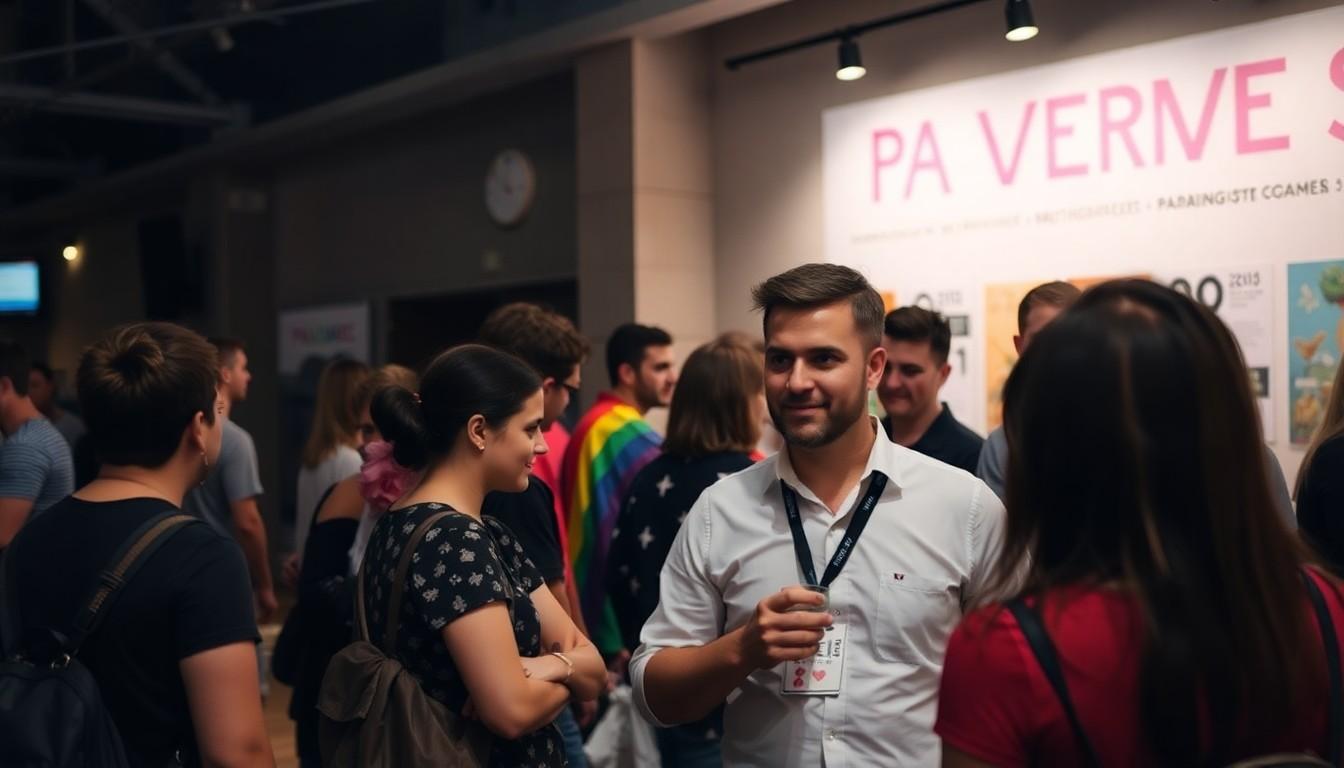
Reports from fan events paint a picture of selection forms asking for gender and, allegedly, a lack of men chosen for character meet-and-greets. Attendees noticed empty slots where a cancelled character would have appeared and say male-presenting fans were rarely part of the official interactions. For a game whose emotional hooks are central to its profitability, ignoring or hiding a segment of the audience doesn’t just feel unfair , it’s a strategic blind spot that sours public perception. Clearer event rules and transparent selection would have avoided much of the suspicion and backlash.
How the fandom is responding and what to do next
The fandom has fractured: some defenders argue the developer is merely navigating censorship, others see active exclusion. Meanwhile queer players have built alternatives , Discord servers, NSFW-friendly subreddits and roleplay communities , to reclaim space. If you’re a player looking for inclusion, seek out these pockets and ask moderators about BL policies before posting. If you’re a publisher or PR team, the practical fix is simple: communicate selection criteria, avoid asking press to hide attendees, and acknowledge diverse fans publicly. Small changes like that restore trust faster than defensiveness.
It’s a small change that can make every fan feel welcome.
Source Reference Map
Story idea inspired by: [1]
Sources by paragraph: