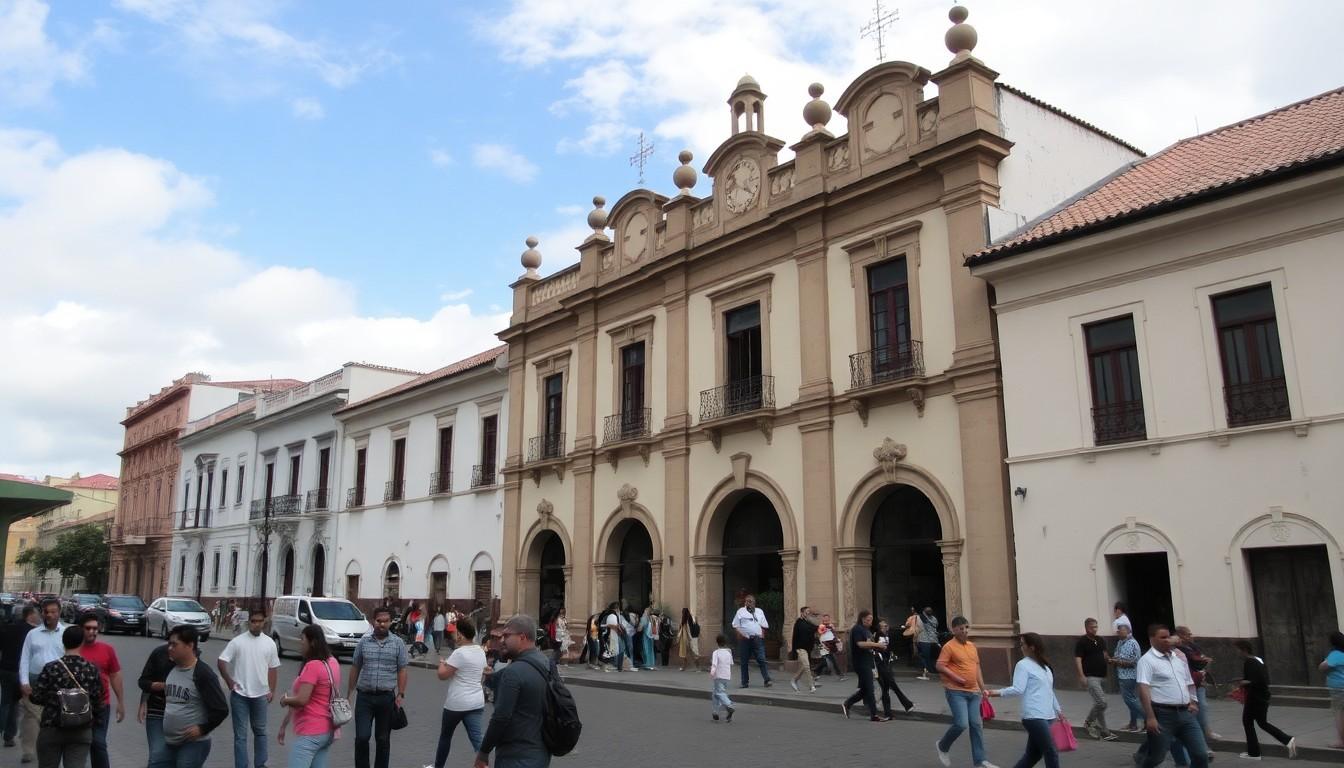
Notice how conversations about love and identity are moving from whispers to public debate in Ecuador; readers, families and faith communities are weighing history, culture and rights as same‑sex relationships become more visible across the country.
Essential Takeaways
- Everyday encounters matter: Personal stories, from cities to the coast, show same‑sex relationships are common and visible in public life.
- Historical echoes: References to classical and Indigenous tales are often used to explain or frame modern attitudes.
- Religious tension: Clergy statements about marriage continue to clash with LGBT people’s calls for recognition and dignity.
- Youth culture shifting: Social spaces and gatherings help young people meet and form relationships, making visibility rise.
- Civic response mixed: Complaints and petitions circulate, while public institutions sometimes archive or dismiss cases, showing legal and social uncertainty.
Why the topic feels suddenly closer to home
Walk down a street in Guayaquil or stop at a coastal service station and you might overhear a quiet coming‑out or see two women holding hands, and it feels ordinary. The lead essay that inspired this piece collects such vignettes, which are useful because they show how personal encounters shape attitudes more than abstract debates. Those small moments are what make a social shift palpable: a smile, a shared drink, a partner introduced at a café.
History and myth get pulled into the conversation
People often reach for big stories to make sense of today. The essay invokes Plato and tales of warrior women as framing devices, and that's a common pattern , turning to classical or Indigenous narratives to explain sexual diversity. According to philosophy and cultural histories, such references can illuminate long, complex relationships societies have had with same‑sex desire, rather than presenting it as entirely new or imported.
Young people and social spaces are changing the rhythm of love
Pajama parties, college dorms and city gatherings are where many young people first explore attraction, and those scenes are changing who meets whom. For many teenagers and students, casual settings become the first options for dating and building a life together, and that visibility feeds broader acceptance. If you’re a parent, it helps to know that open, calm conversations about friendships, media and consent matter more than policing screens.
Religion, law and the practical push‑and‑pull
Religious leaders still shape public opinion, and when a priest says marriage is only man‑and‑woman it prompts legal complaints and public debate. Civic institutions often end up mediating these clashes, sometimes filing complaints away, sometimes triggering protests. The result is a patchwork: personal acceptance in everyday life, formal disagreement in institutions, and a slow legal evolution that follows cultural change rather than leading it.
What this means for families and communities
If you’re navigating this as a parent, neighbour or faith leader, small steps help. Listen more than lecture, ask questions rather than assume, and separate moral teaching from basic respect and safety. For communities, welcoming spaces and clear anti‑bullying messages work better than public shaming. Visibility doesn’t erase disagreement, but it does humanise it , and that’s often the first move toward coexistence.
It's a small change that can make everyday relationships safer and more honest.
Source Reference Map
Story idea inspired by: [1]
Sources by paragraph: