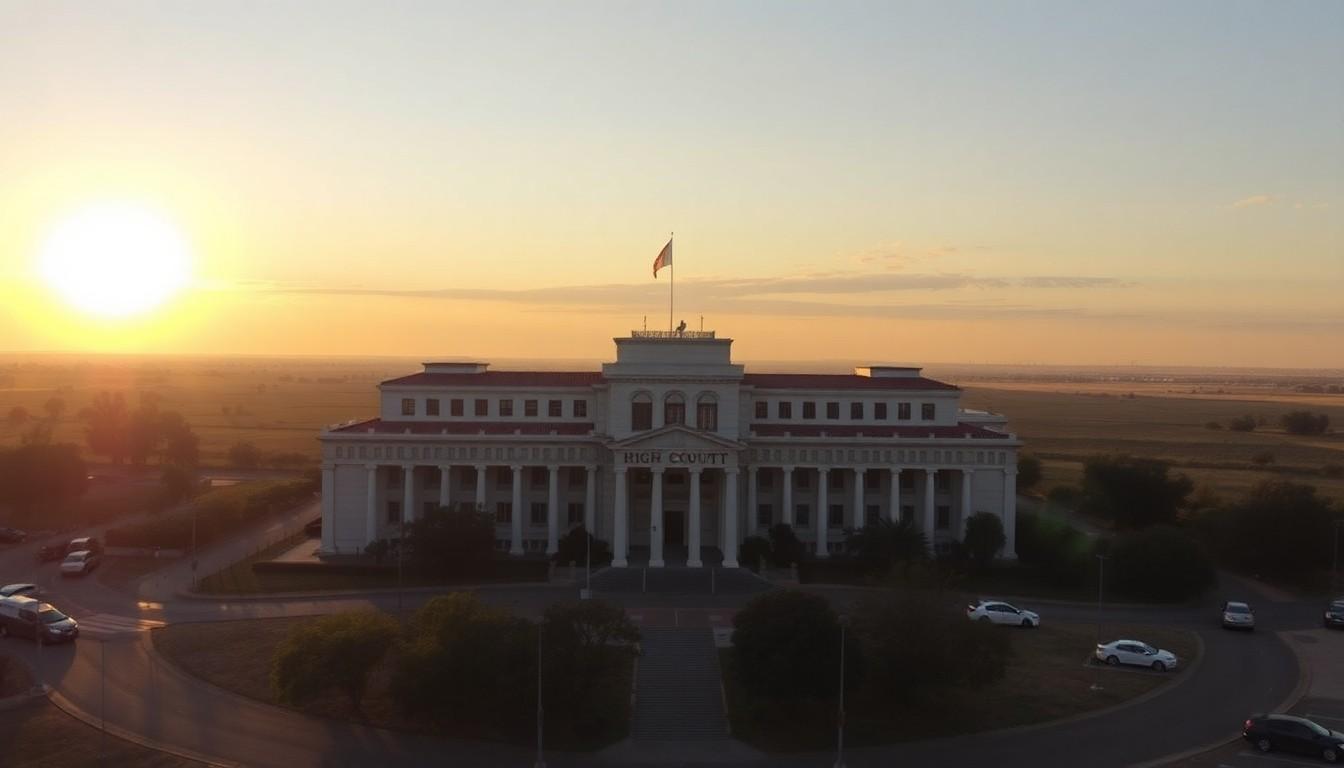
Shoppers are turning their attention to a landmark courtroom fight in Botswana , a gay couple is asking judges to strike down language in the Marriage Act that limits marriage to a “bride” and “bridegroom”, and the case has touched off a heated debate between activists, churches and cultural groups about rights, custom and the future of families.
Essential Takeaways
- Legal challenge: A Botswana couple asked the High Court to declare the Marriage Act unconstitutional because it restricts marriage to a bride and bridegroom.
- Official refusal: The pair say they were denied permission to register their marriage in 2025 and were advised to wed in South Africa instead.
- Cultural pushback: Religious and traditional groups argue same‑sex marriage would conflict with customary law and Christian beliefs.
- Progress so far: Botswana decriminalised same‑sex relations in 2019 and formally repealed its anti‑sodomy law in 2026.
- Practical reality: Botswana has anti‑discrimination protections, but same‑sex marriage remains legal only in South Africa on the continent.
A bold legal test , and a quiet, tense courtroom moment
The story opens with real people wanting recognition, not headlines, and that makes it immediate and human. According to coverage, the couple who filed the case were refused a marriage certificate last year and told to marry in South Africa, which underlines how the law shapes everyday life. The hearing has become a focal point for debates about dignity, identity and the reach of statutory language.
Why churches and cultural bodies have rallied
Opposition has been vocal and organised, with the Evangelical Fellowship and traditional marriage advocates saying the move would clash with Christian teachings and customary law. Those groups argue that changing the definition of marriage could unsettle long‑standing social practice. That pushback helps explain why the issue is as much about social cohesion as it is about individual rights.
The legal and historical backdrop , a slow arc of reform
Botswana’s courts already shifted the terrain when the High Court decriminalised same‑sex relations in 2019, a decision later reinforced when the anti‑sodomy law was formally removed in 2026. That history matters: judges have previously framed criminalisation as harming human dignity, and that reasoning is likely to be central in arguments about marital recognition. So while marriage is the new front, the country has moved significantly away from criminal penalties.
How this fits into Africa’s wider picture
Only a handful of African countries have protected LGBTQ+ people from discrimination, and South Africa remains the sole country on the continent that allows same‑sex marriage. Botswana sits somewhere in the middle: it's repealed colonial-era criminal laws and introduced protections, yet full marital recognition would be a regional first outside South Africa. The case is therefore watched not just locally but across the region as a possible precedent.
Practical implications if the court rules for recognition
If judges find the Marriage Act unconstitutional, the immediate change would be legal access to the same civil institutions that heterosexual couples enjoy , registration, inheritance, and spousal rights. But a ruling in favour would also trigger practical debates about how customary law and civil law interact, and whether legislatures or communities need time to adapt. For couples, the outcome will alter where they plan weddings, how they access benefits, and whether they feel safe living openly at home.
Closing line This case is small in paperwork but big in consequence , it could change who counts as family in Botswana.
Source Reference Map
Story idea inspired by: [1]
Sources by paragraph: