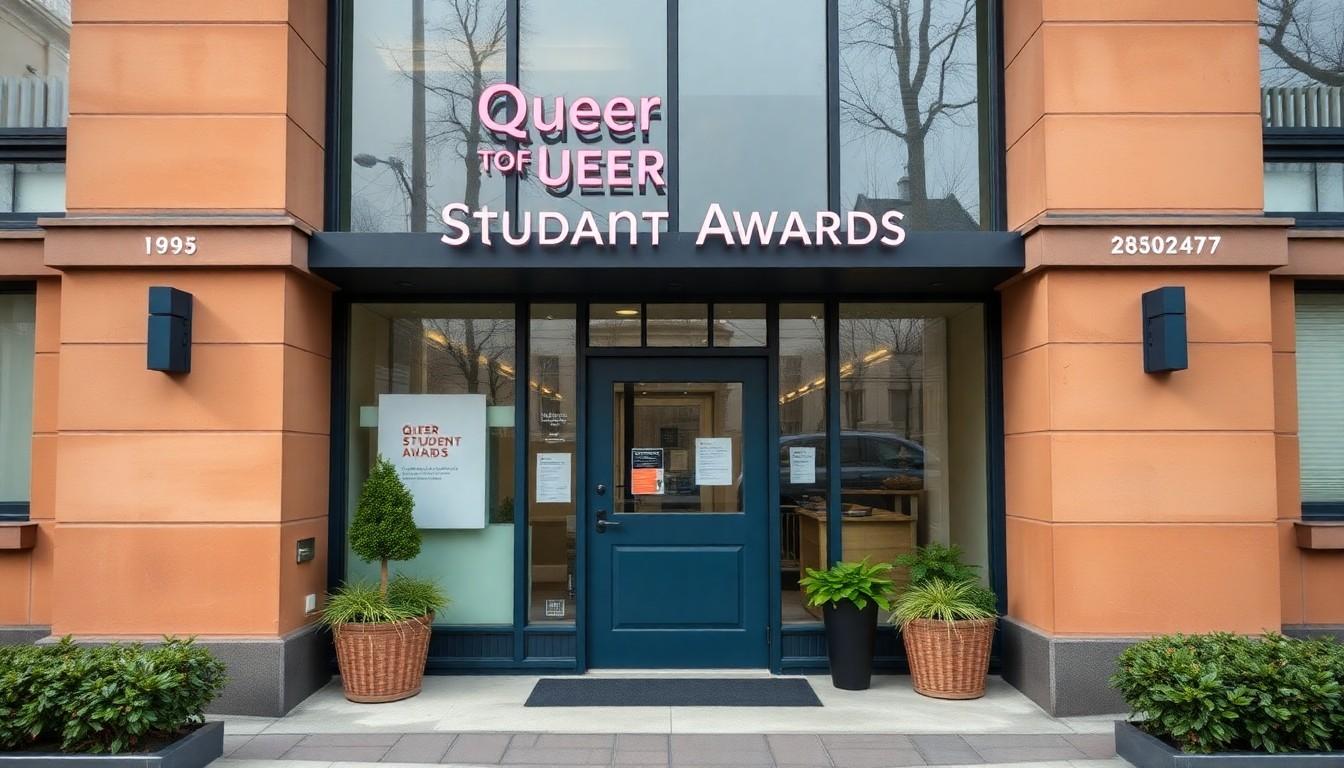
Shoppers of progress and queer organisers have noticed a change: the Queer Student Awards, a lively UK celebration of student LGBT+ organising, is pausing. Founder Steve Keith says the event will take a break while plans are made for a new home and name, a move that matters for grassroots recognition and safer-space visibility.
Essential Takeaways
- Founder decision: Steve Keith announced the awards will pause after six years so he can focus on wellbeing and a new organisational structure.
- Pause timeline: The awards are likely to take a break in 2027 and aim to return in 2028 under a different name and governance.
- Interim recognition: The QSA Pride List, with 26 finalists, will continue to highlight queer leaders and safer spaces during the pause.
- Funding and wellbeing: Chronic shortfalls in funding and growing pressure on a single organiser were cited as key reasons for change.
- Future focus: Plans favour a dedicated home and broader collaboration with LGBTQIA+ organisations to support queer youth year-round.
Why the pause happened: founder burnout and funding shortfalls
Steve Keith framed the decision as personal and practical, noting six years of intensive organising left him needing to prioritise his mental health and self-care. The awards were created to spotlight student LGBT+ activism and safer spaces, but running them largely through one consultancy proved draining, and funding gaps over the last three years compounded the strain. That combination of emotional labour and financial uncertainty made a planned pause feel sensible rather than sudden.
Organisers and volunteers will recognise this story. Events built around a passionate founder often face the same crossroads when resources and support don’t scale. The takeaway: if a community wants an annual fixture to survive, it needs shared stewardship and reliable grants or sponsorship.
What the QSA Pride List does while the awards rest
Rather than disappearing entirely, the QSA is keeping momentum with the Pride List, which already named 26 finalists this year. That list functions like a bridge , it keeps people visible, gives nominees recognition and keeps conversations about safer spaces alive while organisers rework the bigger event format. For students and groups, that continuity matters; even a pared-back public roll-call helps sustain morale and fundraising messaging.
If you’re nominated, use the pause as an opportunity to amplify your work locally, secure partners, and document impact. Awards recognition often helps with future grant applications, so don’t let the gap stall your profile.
A new home: why governance and collaboration matter
Keith said the awards need “their own dedicated home” to continue, implying a shift from a founder-led model to an institutional one. That could mean a charity, a consortium of LGBTQIA+ groups, or a university partnership taking ownership. Each option brings trade-offs: a charity might offer stability and access to funding but could introduce bureaucracy; a consortium could foster broader buy-in but needs clear governance to prevent fragmentation.
For community members, the question is what values the new home will enshrine , transparency, inclusivity, and equitable access to decision-making should top the list. If you care about the awards’ future, now’s a good time to ask how potential hosts plan to protect grassroots voices.
Practical tips for organisers and nominees during the hiatus
Keep celebrating local wins and documenting them. Update social channels with the Pride List and use it to build case studies for funding bids. If you’re an organiser, start conversations with potential partners now: local LGBTQ+ charities, student unions and sympathetic funders all make practical collaborators. And if you’re a donor or sponsor, consider multi-year commitments rather than one-off cash injections , continuity is what events like this truly need.
For students, practise telling your story succinctly: awards juries and funders respond to clear outcomes, measurable impact and evidence of sustainability.
What this means for the wider LGBTQIA+ events scene
The pause offers an honest moment for the sector to reflect on how it supports volunteer leaders and founder-led projects. Events that spotlight queer youth are crucial for visibility and safety, but they’re vulnerable when they lean on single individuals. Industry figures and partner groups may see this as a prompt to build networks that share workload and funding responsibility.
Looking ahead, a relaunch in 2028 with a new name and structure could revitalise the awards and make them more resilient. Until then, smaller celebrations and the Pride List will keep recognition alive, and the community will have time to shape what comes next.
It's a small pause that might lead to a stronger, fairer future for celebrating queer students.
Source Reference Map
Story idea inspired by: [1]
Sources by paragraph: