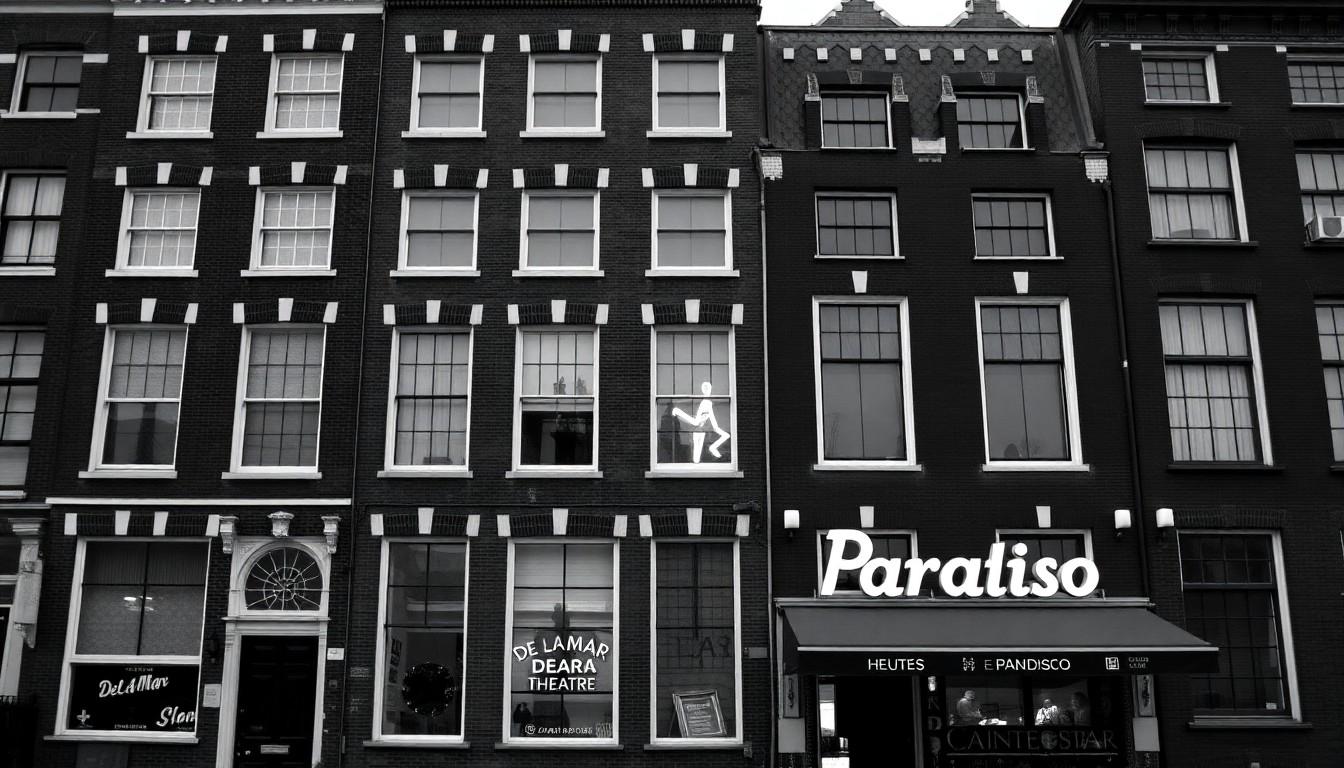
Celebrate history and controversy , visitors are flocking to De Nieuwe Kerk in Amsterdam for Queer Amsterdam, the Pink City, a lively exhibition about love, courage and community that arrives during WorldPride and marks decades of progress and debate. It matters because the show asks who belongs in the rainbow, and why inclusion still shapes our freedoms.
Essential Takeaways
- Exhibition timing: Opens during WorldPride and coincides with 25 years of legal same‑sex marriage in the Netherlands, making it a symbolic moment.
- Broad focus: The show traces Amsterdam’s queer culture across eras, including Stonewall links, drag scenes, and activism , it feels vivid and personal.
- Inclusive argument: Curators present queer as an umbrella, inviting trans, intersex and gender‑diverse people into the story, not excluding them.
- Tactile, emotional display: Artefacts, photographs and film give the exhibition a tactile, intimate atmosphere; expect to leave moved.
- Practical visit note: It’s hosted at De Nieuwe Kerk , centrally located and accessible , so plan for crowds during Pride events.
A timely show that feels both celebratory and urgent
The opening of Queer Amsterdam at De Nieuwe Kerk lands at a moment that’s both festive and fraught, so the exhibition carries a charged energy. According to De Nieuwe Kerk’s press notes, the show is part of WorldPride programming and intentionally frames queer history as ongoing and present, not confined to textbooks. Walk through the rooms and you find moments that are quietly joyful and others that sting , that mix is what gives the exhibition its power.
Backstory: the museum designed the show to coincide with major anniversaries , a reminder that legal victories sit on long histories of activism and resistance. The curators make a point of connecting local Amsterdam stories to global movements, so the display reads like a civic love letter and a political statement rolled into one.
Why the word "queer" still matters
Queer used to be a slur; the exhibition and many advocates now treat it as a reclaimed, capacious label that holds a range of gender and sexual identities. De Nieuwe Kerk presents queer as an invitation: not everyone will adopt the term, but the show argues it’s a useful umbrella for solidarity. That framing pushes back against voices that suggest Pride should be only about love between cisgender men and women.
For visitors, the takeaway is practical: think of queer as a doorway rather than a gate. If you’re unsure about terminology, the exhibit gives historical context that explains why terms evolved , that alone helps make conversations less awkward and more grounded.
History with faces , Stonewall, Compton’s and local struggles
The exhibition explicitly ties Amsterdam’s story to wider events like Stonewall and earlier riots such as the Compton’s Cafeteria uprising in San Francisco. De Nieuwe Kerk’s materials stress that those uprisings were led by a diverse cast: gay men, lesbians, drag performers and trans people of colour. That diversity isn’t a footnote; it’s the point.
Context matters because erasing gender‑diverse people from these origin stories is a familiar tactic of exclusion. The show’s curators make sure names and stories are visible, so visitors leave reminded that progress was collective, messy and often risky.
Artefacts, atmosphere and why the rainbow keeps growing
You won’t just read about history here , you’ll see posters, clothing, videos and personal archives that give the past a texture. The pink triangle appears alongside contemporary artwork, showing how symbols can be reclaimed and repurposed for pride. That tactile storytelling makes the argument that each addition to the rainbow is additive, not subtractive.
If you’re choosing how to experience the show, allow time for film programmes and talks. De Nieuwe Kerk is running related events for WorldPride, which deepens the experience and offers contemporary voices responding to the same archive.
What visitors and communities say , inclusion isn’t optional
Community reaction online has been mixed: many celebrate the exhibition’s inclusive stance, while some voices push for a narrower definition of Pride focused only on love. The museum and local organisers have responded by emphasising that the exhibition is intentionally broad , a reflection of how queer life in Amsterdam has always overlapped across identities.
That public debate matters because the same patterns of exclusion have historically been used against groups within the rainbow. Seeing the show is a way to witness that history and, for many, a reminder to keep the doors open.
It's a small change that can make every celebration more meaningful.
Source Reference Map
Story idea inspired by: [1]
Sources by paragraph: