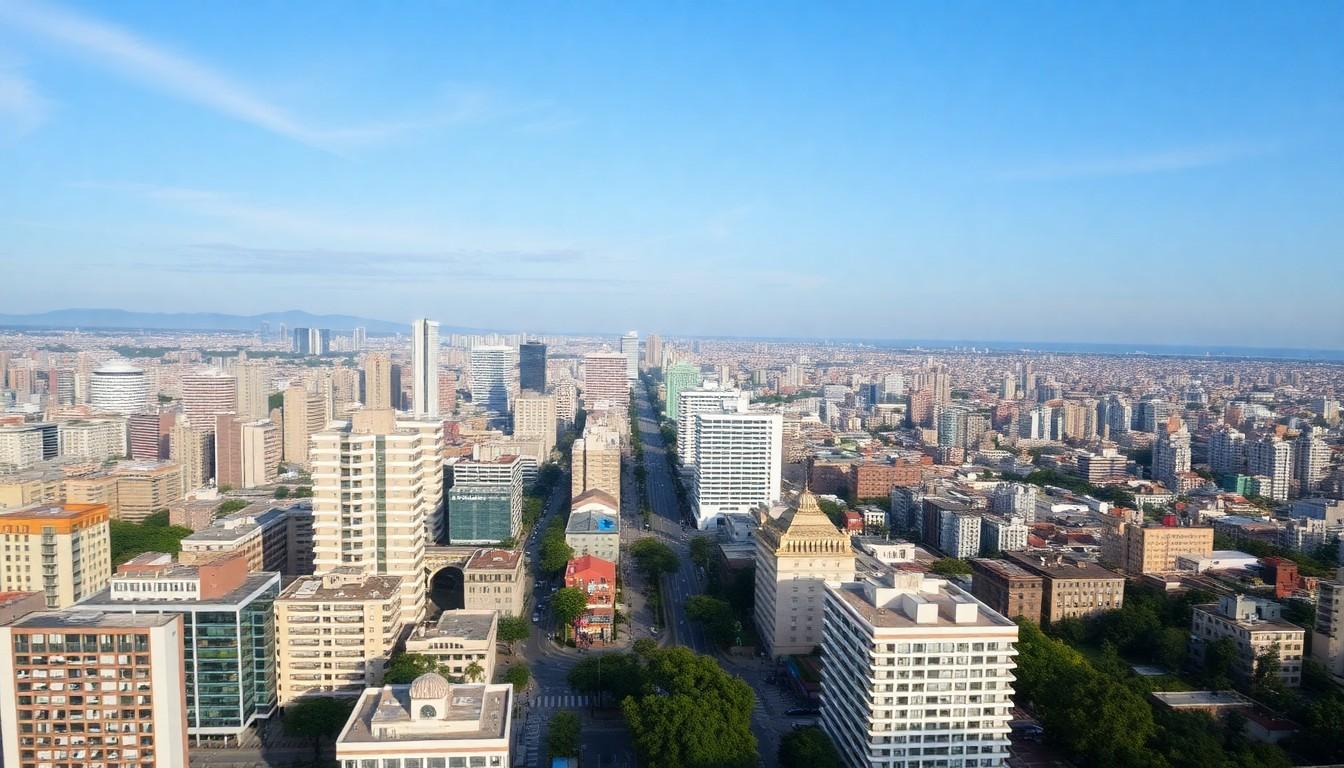
Shoppers and travellers are flocking to Brazil’s big cities for warmth, nightlife and clear legal protections; São Paulo and Rio de Janeiro now rank among the world’s top LGBTQ-friendly destinations, offering inclusive stays, huge Pride events and neighbourhoods where queer life feels visible and safe.
Essential Takeaways
- Top-ranked cities: São Paulo placed 3rd and Rio de Janeiro 9th in a Booking.com survey of more than 11,500 LGBTQIA+ travellers.
- Lots of inclusive stays: São Paulo lists roughly 892 properties with an inclusive seal, the most in Brazil, while Rio offers hundreds more.
- Massive Pride draws: São Paulo’s Pride parade brings 3–5 million people each year, a major cultural and tourism magnet.
- Legal protections: Same-sex marriage and anti-discrimination laws provide a solid legal backbone for visitors and expats.
- Vibrant neighbourhoods: Jardins, Vila Madalena, Ipanema and Copacabana are known for queer-friendly nightlife, beaches and bars.
Why the Booking.com rankings matter for travellers
The headline numbers are tidy: Booking.com’s global survey put São Paulo among the top three most inclusive cities and Rio in the top ten, which is no small feat for countries competing for queer tourism. That matters because travellers increasingly want evidence of safety and welcome before booking, not just a vibe. According to the survey, the presence of certified inclusive hotels and guesthouses is a big part of what tipped the scales. If you care about simple, reliable signals of welcome, these rankings offer that reassurance.
Where to stay: finding truly inclusive accommodation
São Paulo’s nearly 900 inclusive-certified stays mean you’ll rarely be surprised by staff attitudes or house rules, whether you prefer boutique hotels in Jardins or a sleek apartment near Avenida Paulista. Rio’s inventory is smaller but bolstered by neighbourhoods like Ipanema and Copacabana where queer culture spills onto the beach. When booking, look for properties with explicit inclusive badges and recent traveller reviews , they tell you how inclusive the experience actually felt on the ground.
Pride and parties: why events fuel the local scene
São Paulo’s Pride is less a parade and more a city-wide takeover, drawing millions to Avenida Paulista and powering weeks of culture, food and club nights. Rio’s celebrations, meanwhile, centre on Copacabana and a legendary nightlife that Grindr’s Unwrapped report recently celebrated as world-class. These events do more than entertain; they funnel international visitors, boost local businesses and signal that queer life is not hidden but central to civic identity.
Legal protections and everyday safety , what the law actually achieves
Brazil has recognised same-sex marriage nationwide since 2013 and enforces anti-discrimination measures in employment and housing. São Paulo introduced regional anti-homophobia rules long before national change, helping shape more inclusive public services. Laws aren’t everything, of course , big-city caution still applies , but the legal framework reduces many of the practical frictions LGBTQ travellers often worry about, from paperwork to renting a flat.
Practical tips for visitors and expats
Pick neighbourhoods with established queer scenes if you want easy social options and safety in numbers; Jardins and Vila Madalena in São Paulo, Ipanema and Copacabana in Rio are good bets. Use ride-hailing apps at night and keep an eye on your belongings in crowded festival settings. If you’re moving long term, research inclusive housing listings and local LGBTQ community centres for support and social networks. And check up-to-date reviews , community feedback is the fastest way to spot genuinely welcoming places.
It's a small change to book with intention, but it can make every stay feel easier and more joyful.
Source Reference Map
Story idea inspired by: [1]
Sources by paragraph: