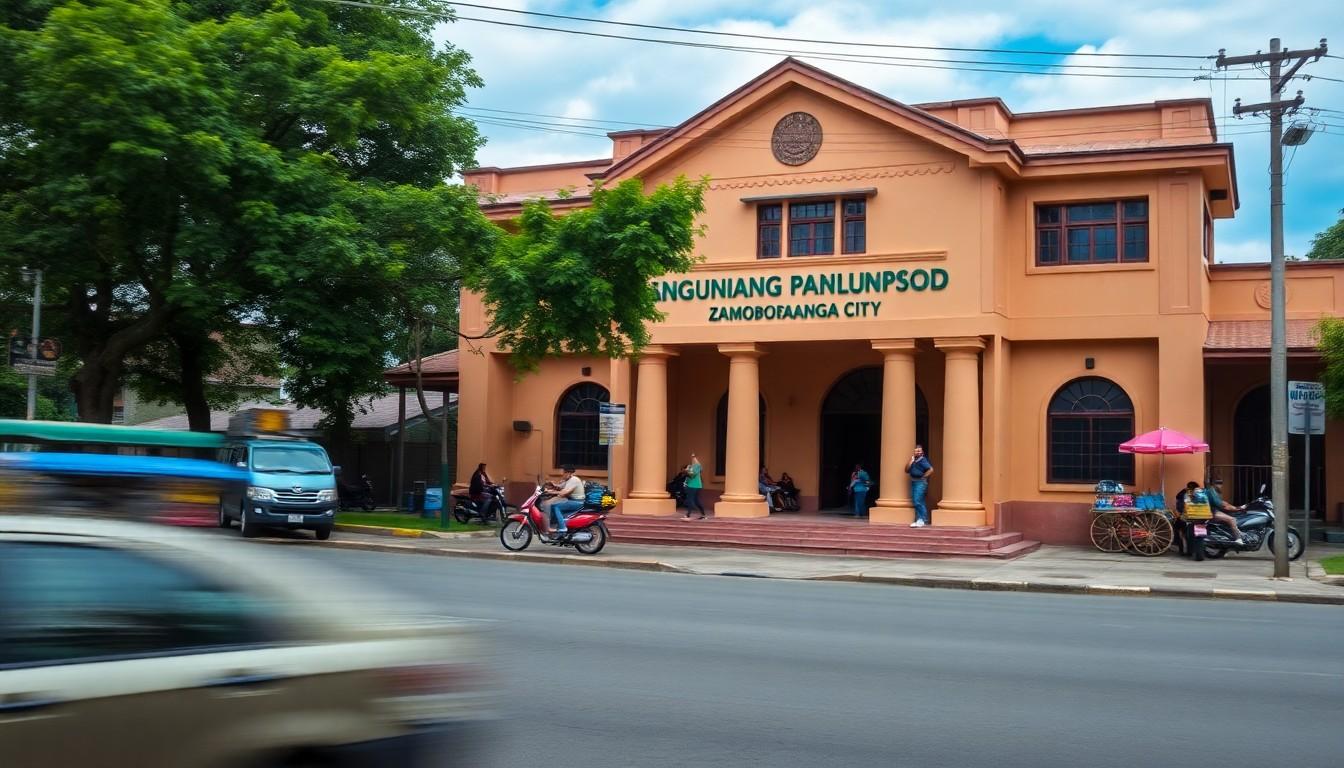
Shoppers and citizens are noticing a quiet but important shift in local politics: activists in Zamboanga City are urging the creation of an official LGBTQIA+ council to give queer communities a permanent voice in policymaking, a move that could shape local anti‑discrimination work and community programs.
Essential Takeaways
- What’s happening: A proposed ordinance to establish an LGBTQIA+ council in Zamboanga City has cleared first reading and is being championed by activist groups.
- Who’s pushing it: Mujer LGBT Organization, Inc. is leading calls for institutionalised representation and collaboration with the city government.
- Why it matters: A formal council would help ensure LGBTQIA+ perspectives feed directly into local policies, from safety initiatives to health and social services.
- How it feels: Supporters describe the step as hopeful and overdue , practical change rather than symbolic recognition.
- Next step: The measure needs further readings and backing from the Sangguniang Panlungsod to become law.
A practical move, not just a gesture
The most tangible thing about the proposal is that it would create an official mechanism for queer communities to sit at the table where decisions are made, and that brings a simple, everyday benefit: policies shaped by lived experience feel more relevant and useful. According to local advocates, including Mujer LGBT Organization, Inc., the council would help translate community needs into programs that actually work.
This push didn’t come from nowhere. Local activists and government allies have been working on related protections and spaces for a while, from safe‑spaces ordinances to anti‑discrimination measures. Establishing a council is the next logical step in a broader local effort to make inclusion routine rather than exceptional.
For readers wondering what this looks like in practice: think consultative meetings, policy reviews, and direct recommendations on things like access to health services, education campaigns, and lawful protections.
How Zamboanga’s move links to other cities’ efforts
Cities across the Philippines have been experimenting with different ways to recognise and support LGBTQIA+ communities , not always in the same language, but with similar aims. Other localities have introduced commitment ceremonies, safe‑space rules and anti‑discrimination ordinances, and those efforts show a trend away from ad hoc support and towards formal safeguards.
That trend matters because formal bodies tend to outlast personalities. A council can provide continuity: even if officials change, structures remain. For anyone tracking local governance, it’s worth noting how institutional tweaks like this can turn ad hoc advocacy into sustained policy.
What advocates say and what they’re asking for
Mujer LGBT Organization, Inc. has framed the proposal as essential for “meaningful participation,” arguing that queer people should help design the services they use. They’re calling on the Sangguniang Panlungsod to shepherd the ordinance through the remaining readings and to keep dialogue open with civil society.
It’s a tactic grounded in insistence rather than confrontation: work with the system to improve it. That approach often produces practical wins , training for city staff, clearer reporting channels for harms, and quicker service referrals for vulnerable people.
If you’re curious about how to support such moves locally, simple things help: attend public consultations, follow local NGO updates, or write to councillors expressing why representation matters.
What to watch next: the legislative road and the mayor’s desk
The ordinance still has steps to clear. After initial readings, it needs full approval from the council and then the mayor’s signature or veto. Local reporting suggests momentum is building, but legislative processes can stall without sustained public interest.
A council’s eventual remit , advisory, decision‑making, budgetary powers , will be crucial. The stronger its authority, the more it can effect real change. Keep an eye on whether the final measure includes funding, clear membership rules and accountability mechanisms.
For communities, momentum matters: once a council exists, it becomes easier to argue for complementary measures like education programmes and enforcement tools.
Why this matters beyond Zamboanga
When a city formalises representation, the ripple effects aren’t just local pride; they’re practical. Policies designed with input from affected communities tend to be less stigmatising, more accessible and ultimately more effective. That means better health outcomes, safer public spaces and more reliable access to services for queer people.
So this isn’t merely a symbolic victory in a headline; it’s a potential blueprint for other municipalities balancing cultural dynamics and human‑rights commitments. For residents, it’s about fairness and function , making sure everyone has a seat and that programmes actually meet needs.
It's a small change that can make every local decision a bit fairer and more durable.
Source Reference Map
Story idea inspired by: [1]
Sources by paragraph: