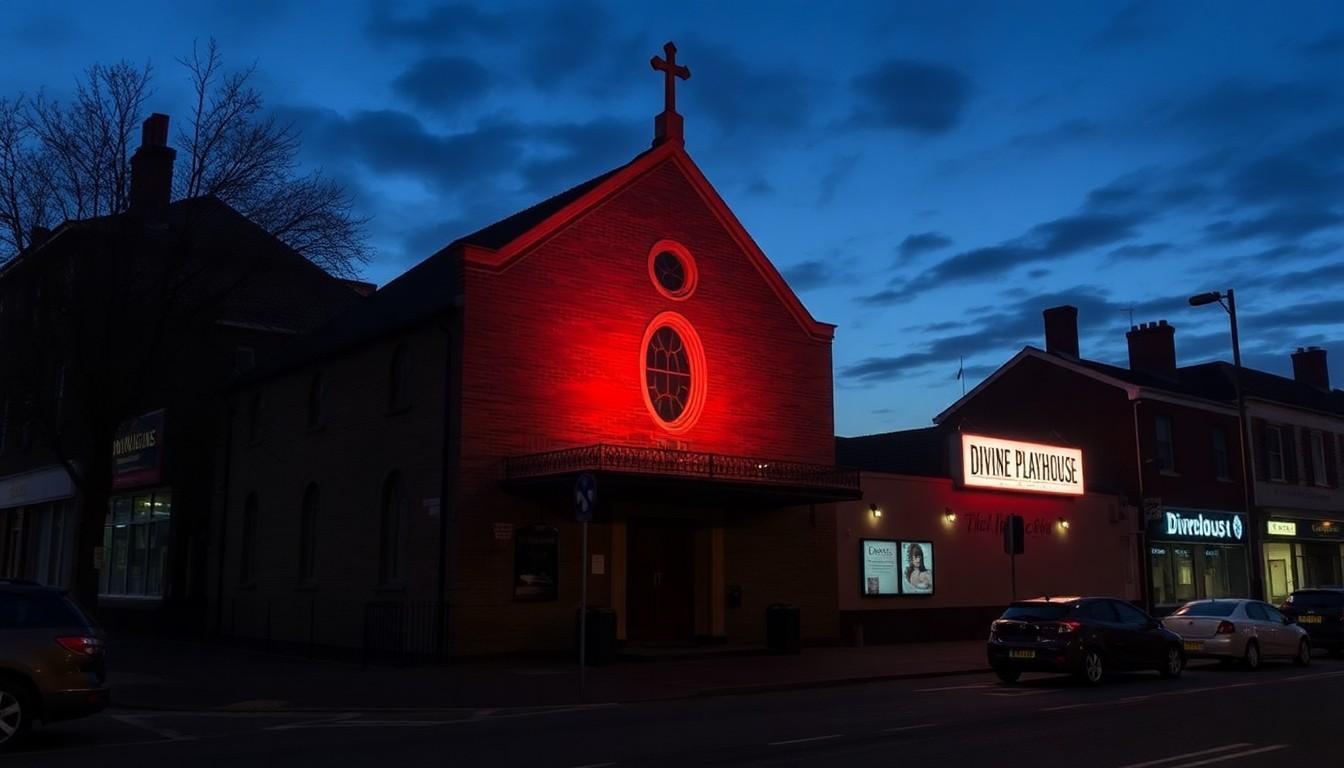
Shoppers might not be the first to notice, but Sydney’s queer arts scene is being pushed into the spotlight , and people are turning out to defend it. A snap rally has been called after Divine Playhouse was served a breach notice and forced to close, sparking wider debate about culture, censorship and who gets to use former church spaces.
Essential Takeaways
- Breach notice served: Divine Playhouse was ordered to stop trading and cancelled events, prompting immediate community action.
- Rally planned: Pride in Protest called a snap gathering at 420 Kent Street on Friday evening; participants were urged to bring instruments and queer joy.
- Contested history: The venue occupies a deconsecrated church building long used for theatre and community arts, which has inflamed conservative opposition.
- Broad support: Artists, politicians and advocacy groups rallied publicly for the venue, warning of a worrying pattern of attacks on queer spaces.
- Practical strain: Organisers say the closure threatens jobs, artists’ commissions and significant local economic activity tied to the venue.
What happened and why it matters now
The opening of Divine Playhouse , a new arts and nightlife venue operating from a deconsecrated church in Sydney’s CBD , was followed quickly by a landlord-issued breach notice and a forced temporary closure. The order comes after protests from small, conservative Christian groups who object to queer programming in a building once used for worship. The closure matters because the project promised to support hundreds of artists and pump money into the independent arts sector, and now those plans are on pause.
A snap rally: music, colour and community response
Pride in Protest organised an immediate response: a brief, lively rally outside the former church at 420 Kent Street, encouraging instruments, colourful outfits and crowds to show support. The action is less about confrontation and more about visibility , a wave of music and community energy to counteract what organisers describe as targeted moral outrage. For many attendees, it’s a way to say loudly that queer cultural spaces belong in the city.
Politics, culture and the contested use of church spaces
This dispute taps into broader questions about who gets to claim public-facing heritage sites. The building hasn’t served as a church since the 1930s and has been used for theatre and community purposes for decades. Still, the sight of queer events in that setting has been used by opponents to demand action, including calls to rescind government funding. Politicians from across Sydney’s progressive bench have pushed back, saying the venue adds cultural life and economic value to the CBD and should be defended.
The human and economic cost for artists and small businesses
Organisers say the closure isn’t just symbolic , it risks jobs, cancelled gigs and lost commissions for more than 1,500 creatives who were due to benefit. The venue’s founders point to substantial planned investment into independent arts and local suppliers, and now face legal and financial hurdles to reopen. For freelancers and small creative businesses that rely on consistent bookings, the pause can be immediate and painful.
How the community and officials have reacted
Support has come from local MPs, arts figures and union-style advocacy, with public statements emphasising the importance of queer-led cultural spaces. Meanwhile, conservative groups and petitions opposing the venue have gained traction, showing the dispute is polarising. Observers say this moment is part of a worrying pattern of coordinated pressure against LGBTQIA+ venues and events, and that defending cultural freedom will likely become a political as well as a community campaign.
It's a small change that can make every performance and night out safer and more welcoming.
Source Reference Map
Story idea inspired by: [1]
Sources by paragraph: