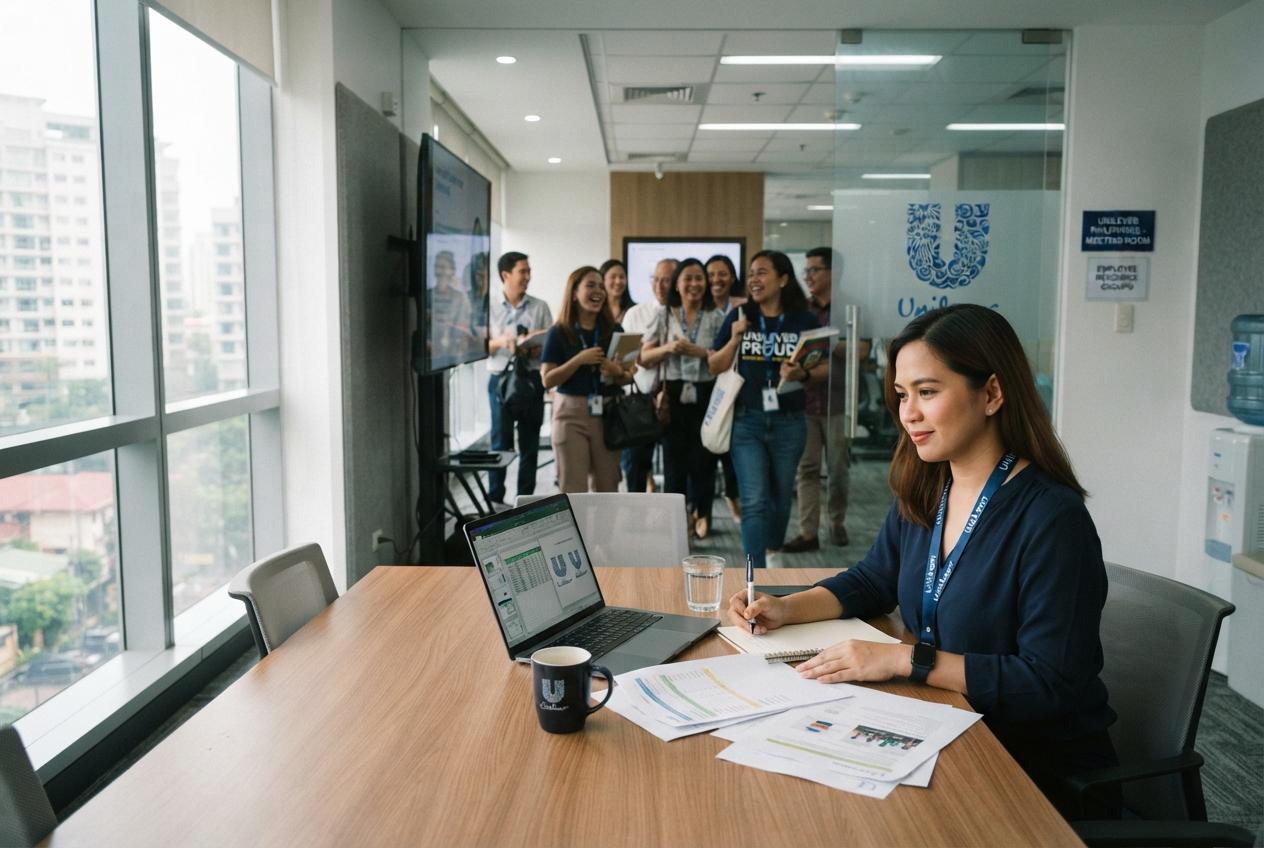
Shoppers and employees alike are noticing a shift: Unilever Philippines is turning Pride from a month-long spotlight into year-round practice, rolling out policies, employee-led groups and visible community action so people feel safer, supported and free to be themselves at work and beyond.
Essential Takeaways
- Employee resource strength: The ProUd Network now spans 20 local chapters and over 1,300 global members, offering peer support and advocacy.
- Practical policies: Gender-neutral uniforms and restrooms, plus Gender Transition Guidelines, make daily life more dignified and private.
- Substantive benefits: Comprehensive medical cover, 150 days of paid maternity leave and 20 days of paid paternity leave reflect broad family support.
- Visible allyship: Company participation in Pride events, colourful floats and public champions bring inclusion into the community.
- Culture-first approach: HR leaders tie inclusion to Filipino values like malasakit, linking policy to everyday behaviours.
Why Unilever Philippines treats Pride as everyday work culture
Start with the small things: uniforms that fit every identity, restrooms that don’t exclude, and managers who know how to support transitions. Those details create a visible, quiet reassurance for staff who might otherwise hide aspects of themselves. According to Unilever’s local leaders, the company launched Proud of U mixers and the ProUd Network to turn that reassurance into shared ritual and peer learning. The move shows how an international company can make inclusion feel local and human.
ProUd Network: what an employee resource group really does
Employee Resource Groups are more than social clubs , they’re practical support and a launching pad for change. Unilever’s global ProUd Network has grown since 2018 into a 1,300‑member community across 20 chapters, offering forums for storytelling, training and advocacy. For many staff, hearing colleagues’ experiences makes allyship tangible: it’s about showing up, listening and acting. If your employer doesn’t yet have an ERG, this is a model worth borrowing.
Policies that turn good intent into everyday practice
Policy matters when it changes the rhythm of a workday. Unilever Philippines has formal Gender Transition Guidelines, gender‑neutral facilities and operational uniforms that remove daily friction for trans and non-binary employees. These aren’t symbolic gestures , they’re operational changes that reduce stress and preserve dignity. If you’re evaluating a workplace, look for written guidance and transition support plans, not just broad diversity statements.
Benefits, families and the wider signal sent to staff
Leave and healthcare are a practical barometer of how seriously a firm takes inclusion. Unilever’s benefits , including extensive medical coverage, 150 days fully paid maternity leave and 20 days paternity leave , send a clear message that caregivers and families are supported, regardless of gender or family structure. Employers that broaden benefits beyond traditional norms tend to see higher retention and more visible diversity in leadership over time.
From office to street: why public visibility still matters
There’s power in showing up together. Unilever Philippines took its support onto the streets with a float at a major Pride festival and collaborators like Cream Silk, drag artists and influencers. Public participation does two things: it normalises LGBTQI+ presence in mainstream spaces, and it signals to employees that the company stands behind them outside the workplace. That visible allyship helps move conversation from policy pages into everyday community life.
How to judge whether a company's allyship is more than PR
Ask for specifics. Does the company publish written policies like Gender Transition Guidelines? Are ERGs active and resourced, or just cosmetic? Do benefits cover diverse family needs and are facilities inclusive by design? Real allyship shows up in everyday operational choices and sustained programmes, not only in one-off events. Talk to current employees and look for evidence of leadership visibility and accountability.
It's a small change that can make every workday feel safer, fairer and more human.
Source Reference Map
Story idea inspired by: [1]
Sources by paragraph: