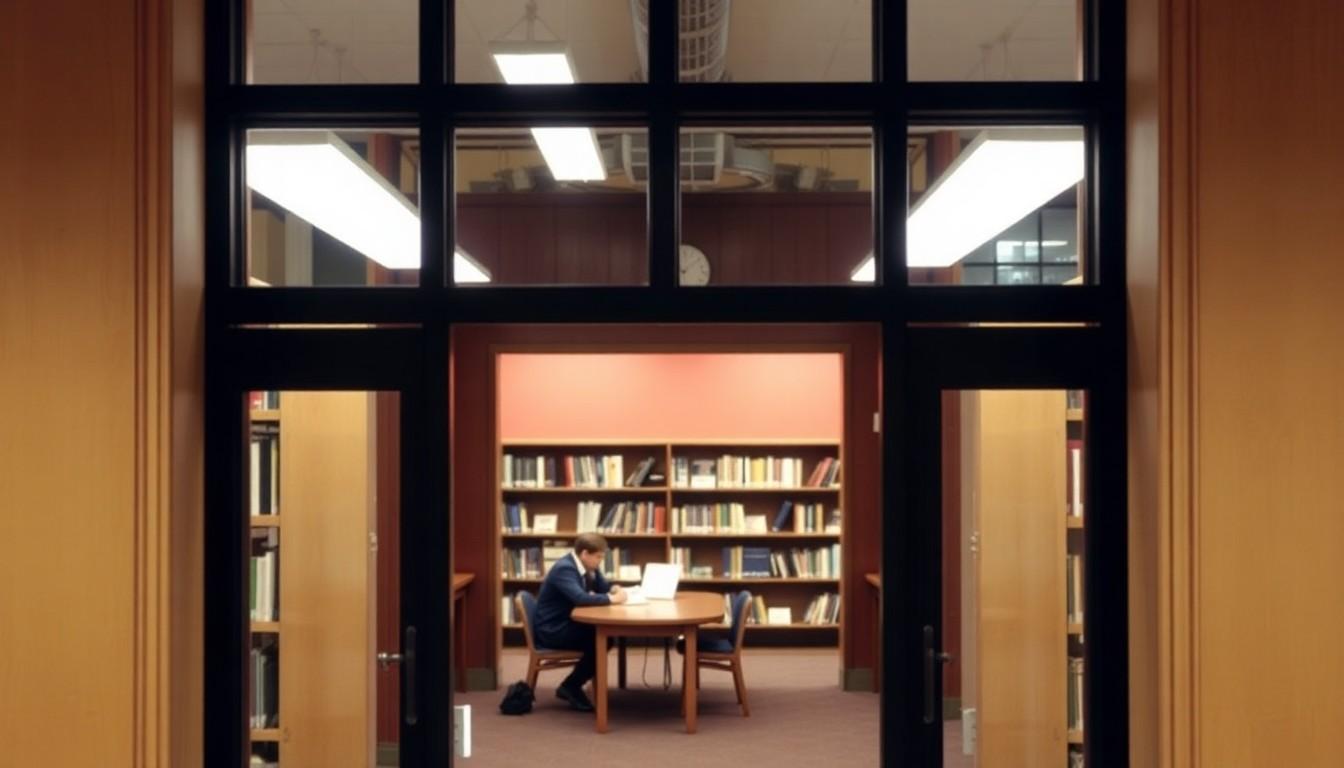
Shoppers of ideas are gathering in libraries, classrooms and online , and recent sessions at the American Library Association’s Annual Meeting show why access to books matters for kids, families and entire communities. Librarians, authors and advocates are adapting strategies to keep diverse stories on shelves and in school programmes.
Essential Takeaways
- Rising challenges: Recent ALA data show an increase in challenges to nonfiction and queer-themed books, making collection decisions fraught for schools and libraries.
- Author impact: Writers report cancelled visits, online threats and removed titles , but many are finding new ways to reach readers.
- Student savvy: Young readers often seek out contested books anyway, showing they know what resonates with them.
- Local policy matters: Decisions like pulling databases or offering opt-outs can quietly curtail access more than public debate does.
- Practical steps: Libraries can respond with clear collection policies, outreach, non‑confrontational support for families and stronger digital-literacy education.
What happened at ALA and why it felt urgent
A packed education session at the American Library Association’s Annual Meeting in Chicago made one thing obvious: this isn’t a niche worry anymore , it feels personal and immediate. Authors who’ve lost school visits and had books removed described a raw, unsettling experience; you could sense the emotional weight as they spoke about threats and dumped boxes of books. According to ALA reporting, challenges are increasingly aimed at nonfiction titles and stories with queer content, which shifts the battleground beyond the fiction shelf and into classroom curricula. It’s the kind of conversation that reminds you why libraries matter as more than quiet rooms , they’re places where identity and learning meet.
Authors on the front line: cancellations, threats and quiet resilience
Several authors shared how a single complaint can derail months of planning: cancelled talks, social-media harassment, even books pulled from shelves. One middle-grade author found copies of their book in school dumpsters after a complaint about a trans parent and a same-sex crush, a vivid example of how quickly a story can be erased. But rather than give up, many writers are choosing quieter forms of resistance , community partnerships, virtual events, and direct work with teachers and librarians. Those tactics don’t make headlines, but they keep stories flowing to readers who need them.
Kids still find the books they want , if adults don’t get in the way
Informal reports from school librarians reveal a simple truth: children are resourceful. When a parent objected to a class reading, a pupil slipped into the library and checked out the book anyway, then came back for the next in the series. That moment says a lot , kids follow curiosity, and books that speak to their experience matter to them. At the same time, other decisions , like defunding a research database because a parent didn’t understand the difference between a database and a web browser , quietly remove tools students rely on. Libraries and schools need to explain those differences, not default to removal.
How libraries can respond without theatrics
Practical responses work better than showy battles. Clear, publicly available collection policies help staff explain why materials are chosen. Outreach , from parent information evenings to accessible guides on how databases differ from search engines , reduces fear and confusion. And when controversy arises, offering alternatives such as age-appropriate guidance rather than blanket bans keeps trust intact. According to ALA resources on intellectual freedom, having local policies and professional procedures in place gives librarians the backbone to act confidently and consistently.
Trends to watch: policy, data and a shifting challenge landscape
The pattern is shifting: more nonfiction, more books with queer characters, and more single-complaint-driven disruptions. National lists tracking the most-challenged books make those trends clearer year on year, and they’re a useful tool for understanding where pressure points lie. Expect continued pushback in some communities, but also more coordinated support from associations, publishers and local advocates. Long term, the conversation will likely move from reactive removals to proactive education about media literacy and how collections are curated.
It's a small change that can make every visit to the library a chance to discover something meaningful.
Source Reference Map
Story idea inspired by: [1]
Sources by paragraph: