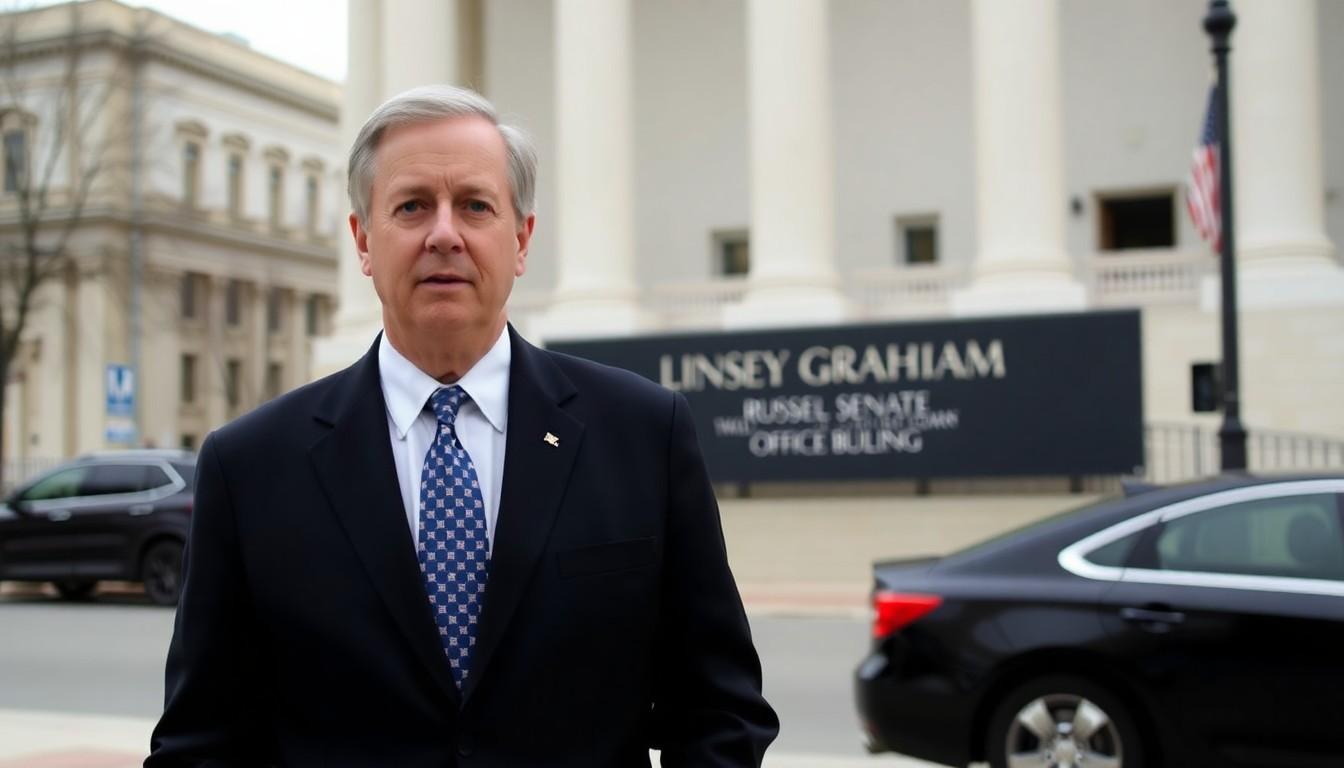
Notice how memories of a politician often gloss over policy? Shoppers of stories and voters alike are starting to reweigh anecdotes against records , who said what, how they voted, and why it matters for real people. This piece looks at Lindsey Graham’s stance on LGBTQ rights and why votes, not just charm, deserve our attention.
Essential Takeaways
- Voting record matters: Lindsey Graham opposed key LGBTQ protections across multiple high-profile bills.
- Don't Ask, Don't Tell: The repeal passed in 2010 after Congress moved to allow gay, lesbian and bisexual Americans to serve openly.
- Employment protections blocked: Graham voted against measures aimed at stopping workplace discrimination against LGBTQ people.
- Same-sex marriage protection opposed: He voted against the Respect for Marriage Act in 2022 despite broad support.
- Human cost: Policy positions have tangible effects on dignity, safety and equality for LGBTQ communities.
Why votes should outshine cocktail-party anecdotes
It’s easy to be charmed by a politician at a fundraiser, but votes have consequences you can’t laugh off. A warm story about wit and hospitality rings hollow if the same person repeatedly backed laws , or blocked protections , that left people exposed to discrimination. According to reports of legislative outcomes, the repeal of "Don't Ask, Don't Tell" moved through Congress in 2010, signalling a major policy shift on military service. That shift matters more for service members’ lives than any after-dinner quip.
The turning point: repeal of "Don't Ask, Don't Tell"
"Don't Ask, Don't Tell" shaped military life for decades by forcing service members to hide who they were. The repeal passed in 2010 after votes in both chambers of Congress, and reporting at the time tracked the legislative milestones that pushed it through. For those tracking politicians’ records, a single vote on such a charged issue tells you about principles under pressure , and whether a lawmaker was on the side of expanding rights or maintaining exclusion.
Workplace protections and why they still matter
Employment non-discrimination has been a long-running fight. Measures like the Employment Non-Discrimination Act aimed to provide basic workplace safeguards for LGBTQ people, but failed to become law when obstructed or voted down. Voting against workplace protections sends a message beyond policy: it affects whether someone wakes up secure in the knowledge they can keep a job without fear of being fired for who they love or who they are.
The Respect for Marriage Act , a recent test
When the Respect for Marriage Act reached the floor in 2022, it had wide bipartisan backing as a federal safety net for same-sex marriages should earlier rulings be overturned. Voting against that protection, at a moment when the legal landscape was uncertain, was consequential. People look to Congress to secure ordinary rights; refusing to back a bill that would federalise marriage protections leaves couples exposed to future court shifts.
What this all means for remembering public figures
Remembering a public figure is a mix of the personal and the political, and the balance matters. Anecdotes humanise; voting records reveal priorities. For voters and journalists alike, the fair approach is to hold both together , note the charm, but also note the concrete effects of a career in public office. That’s how you honour the truth and the people affected by policy.
It's a small adjustment in how we remember: don't let a nice story erase the real-world consequences of votes.
Source Reference Map
Story idea inspired by: [1]
Sources by paragraph: