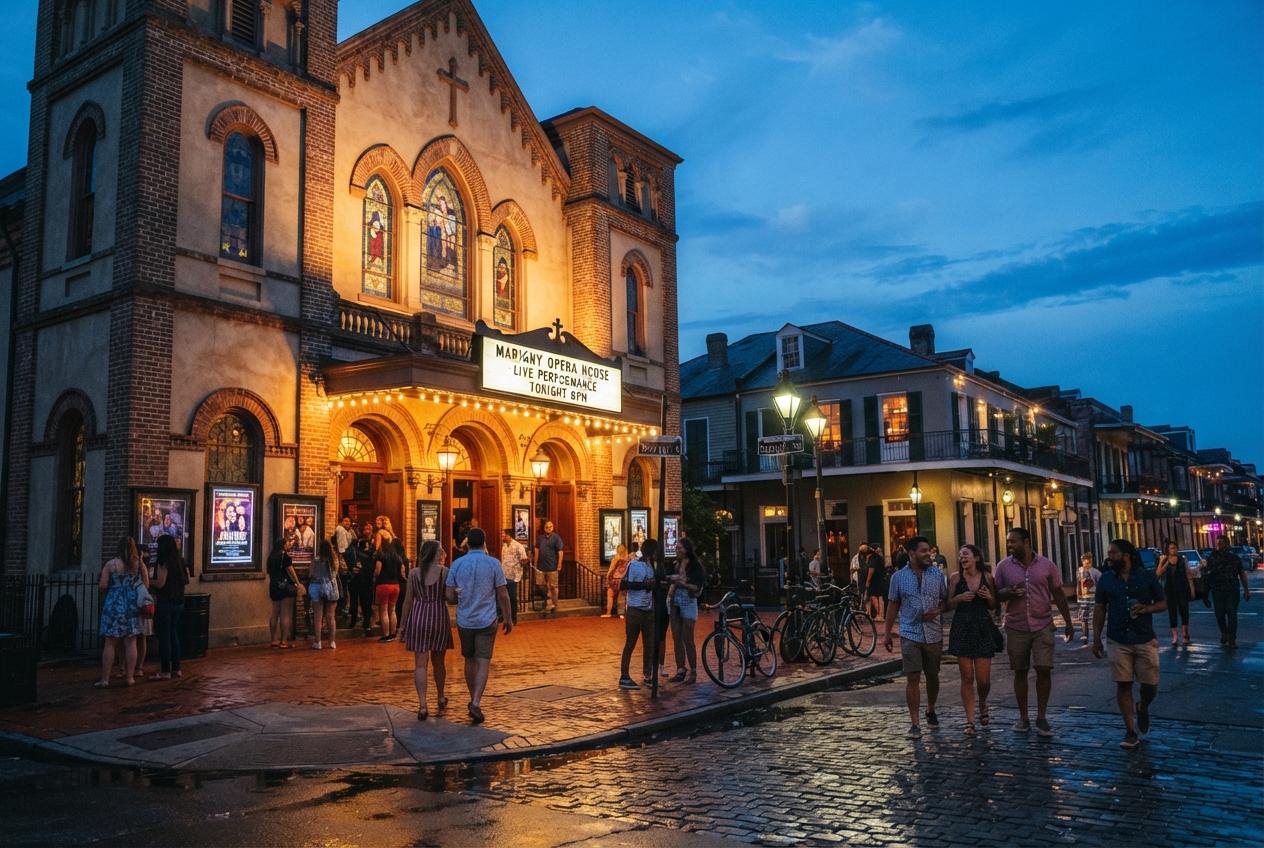
Celebrate a quiet hero , New Orleans organiser and therapist Kenneth “Kenn” Mitchell will receive the Lifetime Achievement Award at the 36th Annual Gay Appreciation Awards on 25 July, recognised for five decades of grassroots organising, counselling and community-building that helped shape the city’s LGBTQ+ support networks.
Essential Takeaways
- Lifetime of service: Kenn Mitchell has worked in New Orleans LGBTQ+ organising and support for more than 50 years, starting in the mid-1970s.
- Community builder: He helped launch the Gay Services Center, LAGPAC, Langston/Jones Society, Men of Color New Orleans and other local groups.
- HIV-era responder: Mitchell volunteered and later provided contract therapy at NO/AIDS Task Force (now CrescentCare), supporting people diagnosed with HIV.
- Ongoing involvement: He served on the steering committee and board for NOAGE and remains connected to ManTalk, a discussion group he helped establish.
- Event details: The 36th Annual Gay Appreciation Awards take place 25 July at The Marigny Opera House; tickets are available on Eventbrite.
A life spent quietly changing lives
Kenn Mitchell’s work reads like a litany of care , the kind that’s often invisible until you need it. He came out in the mid-1970s and straightaway turned that personal moment into public service, volunteering at New Orleans’ first gay community centre and helping launch peer-support initiatives that comforted people through the messy reality of coming out. That steady, hands-on presence left a soft but powerful imprint on the city’s queer fabric.
Community members say his approach is unflashy but fierce: therapy, conversation groups, political organising. Those are the building blocks of safety and belonging, and Mitchell has stacked a lot of them over five decades.
From support groups to political muscle
Organising in New Orleans took many forms, and Mitchell was involved in several. He became the first president of a local chapter of Dignity , offering faith-based support for gay Catholics , and later helped found the Louisiana Lesbian and Gay Political Action Caucus, the state’s first PAC devoted to LGBTQ+ political empowerment. The Langston/Jones Society followed to boost people of colour within that political movement.
That mix of social and political organising is why activists argue community resilience depends on both warm hands and strategic muscle. If you’re choosing how to get involved locally, look for groups that combine peer support with voter engagement , they tend to have the longest impact.
Facing the crisis: HIV work that stayed human
When HIV/AIDS hit New Orleans, Mitchell was there. He volunteered as an HIV testing counsellor at the NO/AIDS Task Force and later worked as a contract therapist for people who tested positive. He also contributed to the Hate Crimes Project, helping victims of homophobic and racist violence.
Those roles mattered because they fused medical, emotional and legal support at a time when services were scarce and stigma was high. For anyone supporting people through illness today, Mitchell’s example is a reminder: therapy, testing and advocacy should move together.
Building spaces for men of colour and continued conversation
Mitchell helped found Men of Color New Orleans and an offshoot discussion group, ManTalk, which still runs today. That work addressed a gap many mainstream organisations missed: culturally specific spaces where men of colour could talk frankly about identity, health and relationships.
Groups like ManTalk survive because they’re rooted in trusted relationships. If you’re starting a local group, begin with a regular, reliable meeting and a simple agenda , continuity matters more than production values.
Why this award matters , and what’s next
Honouring Mitchell at the Gay Appreciation Awards is more than ceremonial. It’s a nod to the patient infrastructure-builders whose work keeps communities steady between headline moments. The ceremony at The Marigny Opera House on 25 July will put a spotlight on the kind of decades-long commitment that often goes unrecognised.
Expect stories, old friends and younger activists connecting the dots between past struggles and present campaigns. And for those inspired, there are plenty of ways to follow his lead , volunteer at community centres, support HIV services, or show up for discussion groups.
It's a small change that can make every community a little stronger.
Source Reference Map
Story idea inspired by: [1]
Sources by paragraph: