Step into a neon-soaked, unapologetically queer evening in Kingston , where dance, drag, cabaret and protest collide inside FUSEBOX’s weathered arches. This lively review explores who was there, what happened, why the choice of venue mattered, and how the show made space for joy, friction and possibility.
Essential Takeaways
- Vivid atmosphere: Costumes, stilettos and fluorescent fabrics turned the venue’s stonework into a living backdrop, creating a tactile, sensory evening.
- Genre-blending show: Dance, live singing, striptease, drag and cabaret intermingled, refusing tidy labels and delivering high-energy variety.
- Audience as part of the work: Intergenerational crowds and close sightlines made spectatorship active , sometimes obstructed, often electric.
- Spatial opportunities missed: The industrial setting suggested immersive possibilities that weren’t fully realised; seating and some installations felt underused.
- Community moment: Above choreography, the event succeeded as a night of visibility, celebration and queer recognition.
A strut before the door: the first impression mattered
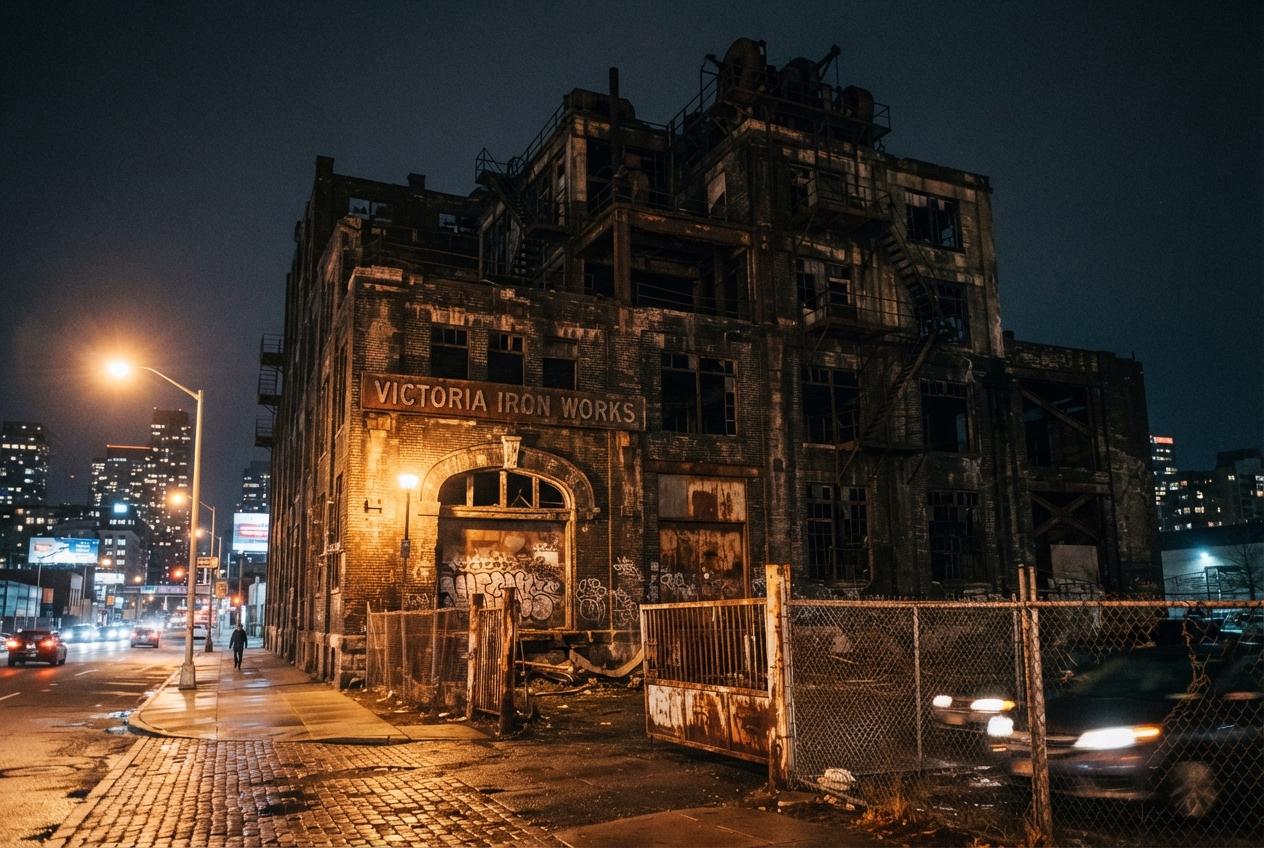
You could feel the temperature shift from plain walk to performance before entry, a slow London afternoon sharpening into a shared, queer strut. According to local listings, the event formed part of Pride activity in Kingston and was staged at FUSEBOX, a community-focused arts hub that sits within an intriguing historic site. The contrast between hyper-feminine costumes and weathered stone gave the evening a deliciously tactile texture , rough arches meeting glossy neon, and the result was immediate and communal.
Performance that refused neat boxes
UNAPOLOGETIC Dance blended styles with a sort of gleeful impatience for labels. One moment it was a duet of intimate, neon-clad bodies; the next it was a boisterous cabaret number with live singing. That fluidity felt like a deliberate political stance: not simply queer in content, but queer in form, resisting fixed categories. If you like your nights unpredictable, this is good news, though it also meant the narrative thread sometimes loosened under the show’s ambition.
When the crowd becomes choreography
One striking feature was the blurred backstage/frontstage line. Performers adjusted costumes in full view; heels carved paths through aisles; audience members were as much part of the picture as the dancers. The seating , rows of chairs and tables , produced obstructed sightlines that might have annoyed a purist, but here those interruptions turned into playful teases, teasing spectatorship itself. It’s a reminder that in live, community-rooted performances like this, the room is a social texture as much as a viewing space.
The venue: characterful, but underused
FUSEBOX’s industrial bones suggested immersive theatre possibilities that the evening only occasionally embraced. A corner installation , a cave-like fabric sculpture , hinted at hidden worlds but went largely unexplored. Likewise, a more cabaret-style seating plan might have freed up movement and intimacy. Still, the location’s history added resonance: reclaiming a public, weathered space for exuberant queer expression felt like a small act of cultural repair, aligning with Kingston’s wider heritage of public spaces and events.
Why this night matters beyond the spectacle
It wasn’t flawless, and sometimes the dramaturgy strained under a desire to be everything at once. Yet what lingered was not perfect choreography but a feeling: people recognising themselves, laughing, dancing, confronting and celebrating together. The evening worked as a communal experiment , loud, messy, kind , and in that it honoured Pride’s roots as protest and possibility. For anyone curious about contemporary queer performance, it offered both a good time and a prompt to imagine other ways of gathering.
It's a small change that can make every queer night out feel a little more like home.
Source Reference Map
Story idea inspired by: [1]
Sources by paragraph: