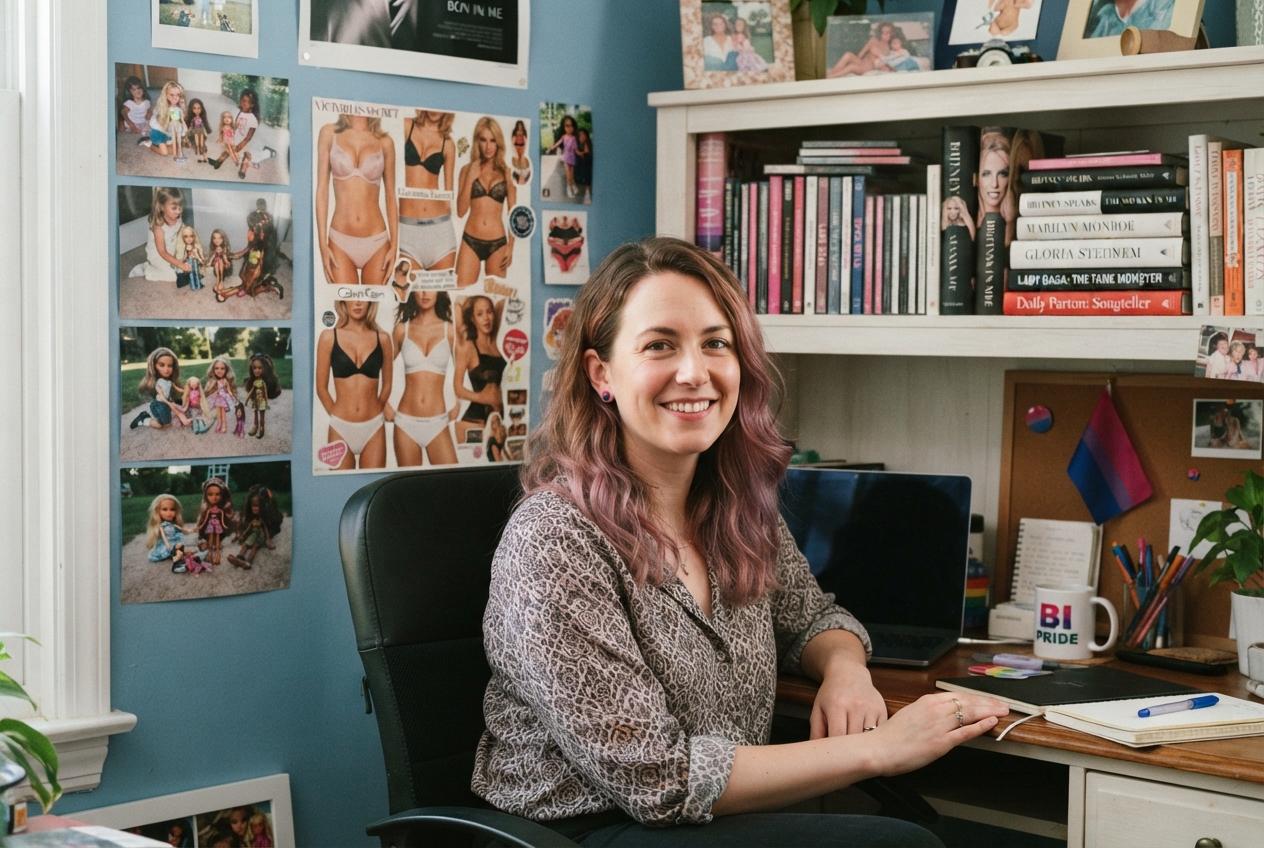
Notice patterns, not panic. Readers are sharing the little moments , posters, sleepovers, secret scrapbooks , that hint at bisexual attraction, and why those seemingly minor signs can matter when you’re figuring things out. This piece looks at who experiences these clues, what they look like, and practical ways to make sense of them.
Essential Takeaways
- Early, vivid cues: childhood play, posters, and collages can be tender, honest signals of emerging attraction.
- Media matters: seeing same-sex romance on screen can unlock feelings you didn’t know you could have.
- Small experiments count: practice kisses, crushes, and secret searches are normal parts of exploration.
- Coming out is a process: saying it once doesn’t finish the work , many people cycle through doubt and acceptance.
- Practical tip: try gentle testing , flirt, date, reflect , and seek supportive spaces or peers.
Why tiny childhood acts can be surprisingly revealing
Many people look back at childhood and spot little things that feel meaningful only in retrospect: doll play, scrapbooks filled with images of women, or bedroom walls plastered with pop stars. Those sensory details , the smell of glue, the scratch of scissors, the soft glow of poster lights , stick with you. According to personal accounts collected in outlets such as Teen Vogue and bi.org, these “neon” moments often foreshadow later realisations. If you recognise these patterns in your own past, treat them as data, not diagnosis. Keep a private list of recurring attractions and scenes from memory; over time the pattern usually becomes clearer.
How media and romance can change the script
Seeing a same-sex couple on-screen can be quietly revolutionary. For many, a single film or TV show provides the first cogent image of a life where a woman loves a woman , and that image makes imagining your own future feel possible. Writers and interviewees in Curve and Teen Vogue describe how lesbian or bisexual storylines shifted fantasy into something recognisable. If you’re unsure about your attractions, intentionally seek out diverse romantic narratives. They don’t create your orientation, but they do expand the roster of what falling in love can look like.
The messy, human business of experimenting and denial
Exploration rarely arrives as a lightbulb moment. It’s more often a string of small experiments , secret search histories, practice kisses, crushes that sting , followed by excuses your brain invents to keep things comfortable. Stories gathered by bi.org and Out show this loop is common: people rationalise, backtrack, and put themselves on hold for years. A practical move is to reframe experimentation as clarifying, not committing. Try low-stakes ways to test feelings: harmless flirting, attending queer-friendly events, or talking to a trusted friend. Each tiny step gives you information without forcing a label.
Coming out: one emotional evening isn’t the whole story
A dramatic coming-out moment often feels like the finale, but it’s usually one scene in a long film. Many narrators recall sobbing confessions followed by relief that’s part emotional and part logistical. Sources like bi.org and first-person pieces in Curve show that acceptance can be cyclical , you might come out, then question again, then come out anew. If you’re supporting someone or preparing your own reveal, the best gift is patience. Keep conversations open, expect follow-up questions, and remember that identity can evolve even after you speak it aloud.
Practical steps if you think you might be bisexual
Start small and be kind to yourself. Keep a private journal of attractions and crushes, noting whether they’re about aesthetics, desire, or emotional intimacy. Watch queer media that resonates with you and reflect on how it feels. Consider joining local or online queer groups; hearing other people’s stories , like those collected by Teen Vogue, Curve, and bi.org , can be massively clarifying. If anxiety or shame shows up, a counsellor experienced in LGBT+ issues can help you unpack compulsory heterosexuality and persistent doubt. Above all, allow time: orientation often feels firm only after some quiet experiment and reflection.
It's a small shift to treat early signs as clues rather than contradictions , it can make the path to clarity a lot kinder.
Source Reference Map
Story idea inspired by: [1]
Sources by paragraph: