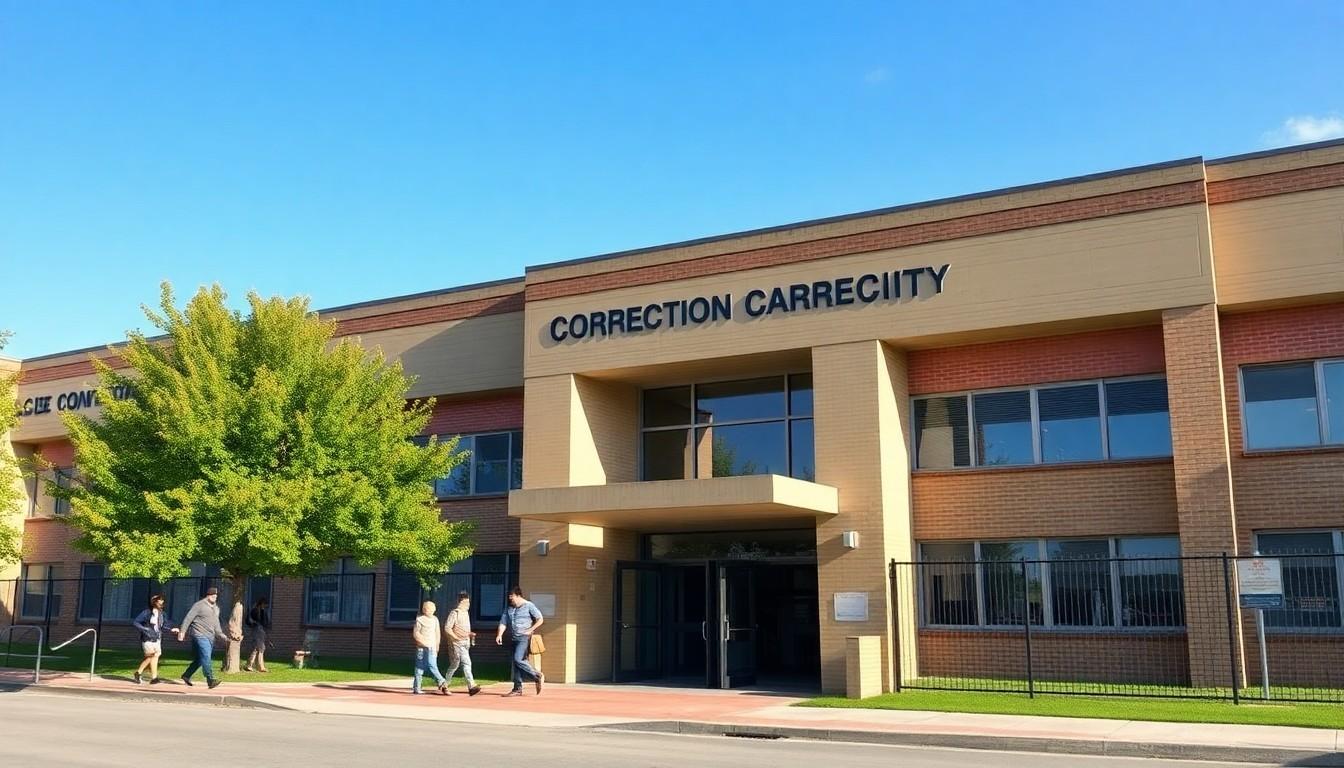
Shoppers of justice took notice when a transgender Corrections officer won a settlement after alleging workplace discrimination; the department has apologised, agreed training and confidential compensation, and the case could signal real change for transgender staff across New Zealand.
Essential Takeaways
- Settlement reached: Department of Corrections apologised and agreed to training and confidential compensation for the employee.
- Nature of complaint: The claim alleged restrictions on conducting searches consistent with the employee’s gender, plus deadnaming and harassment.
- Legal backing: Case filed with the Human Rights Review Tribunal and supported by the Office of Human Rights Proceedings.
- Practical change: Corrections pledged training designed to improve understanding of transgender rights and workplace dignity.
- Emotional impact: The employee described significant effects on wellbeing and employment, and hopes the outcome helps others.
Why this settlement matters now
This wasn’t just another HR file; it put the everyday reality of transgender workers into public view. The officer, named Adam under a non-publication order, said being misgendered and restricted at work undermined both his sense of self and his ability to do the job. According to reporting from The Spinoff, colleagues had deadnamed and mocked him, and policies or practice left him unsure which duties he could perform. That combination of personal harm and operational friction is precisely why this settlement matters.
What Corrections has agreed to do
Corrections has issued an apology and agreed to pay confidential compensation, but the practical takeaway is the commitment to training. Training programmes can be modest or transformative: if they’re well designed and ongoing, they’ll equip managers and frontline staff to treat trans colleagues with basic dignity and to apply rules about searches and duties fairly. The Corrections website already contains guidance on transgender and gender-diverse people in custody and operational policies; the settlement suggests those resources may now be matched by staff-facing learning.
The legal and employment context
Claims like Adam’s sit at the intersection of employment law and human rights. The Office of Human Rights Proceedings represented him, underscoring that the case wasn’t just personal, it was a test of how the Human Rights Act protects gender identity in workplaces. Employment.govt.nz provides clear guidance about discrimination against transgender people and routes to resolve problems, from informal conversation to formal complaints. For many, the most useful thing about this case is that it shows those avenues can produce concrete outcomes.
Practical tips for trans employees and employers
If you’re trans and worried about duties or dignity at work, keep a record of incidents and seek early advice, either through HR, an employment adviser, or the Office of Human Rights Proceedings. Employers should audit their policies and training: make sure managers understand how to allocate tasks like searches without discriminating, and whether specific roles require gender-specific processes that need careful, lawful handling. Small changes, consistent pronoun use, stopping deadnaming, clear duty rosters, make a big difference to day-to-day wellbeing.
Where things go from here
Settlements don’t set legal precedent in the same way a court judgment does, but they do push organisations to change. For Adam, the outcome is personal recognition and relief; more broadly, it nudges Corrections towards clearer practice and better training. If the department follows through, staff will notice a quieter, less hostile workplace and transgender people seeking employment across custodial services may feel safer coming forward.
It’s a small but meaningful step that could improve how transgender employees are treated across New Zealand workplaces.
Source Reference Map
Story idea inspired by: [1]
Sources by paragraph: