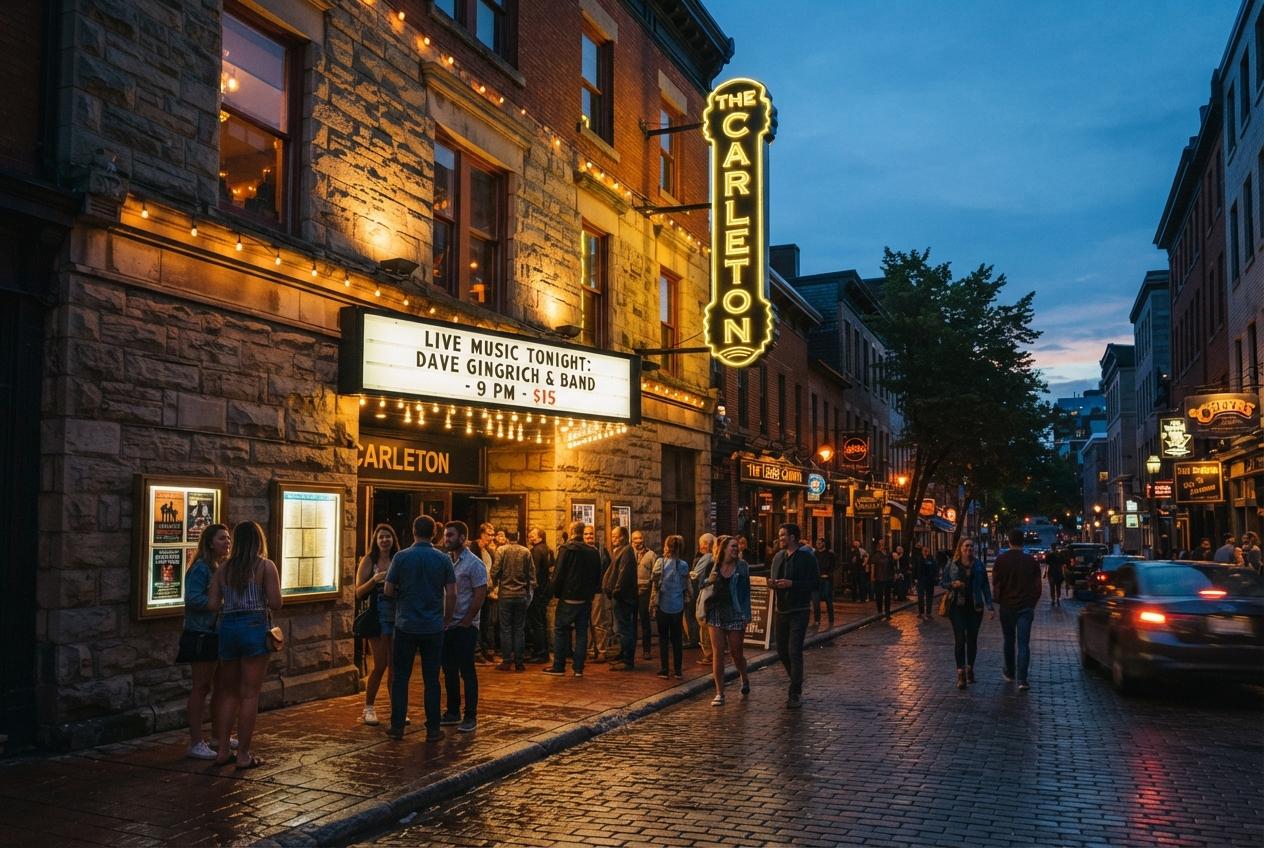
Celebrate Halifax Pride by tuning into Nova Scotia’s thriving 2SLGBTQIA+ music scene , discover rising queer voices across folk, pop, hip‑hop, country and electronic that make for perfect parade, party and quiet‑room listening. Support, stream and share to help local artists reach new ears.
Essential Takeaways
- Local variety: Nova Scotia’s queer artists span genres from indie folk and pop to hip‑hop, country and electronic , there’s something for every Pride moment.
- Representation matters: These musicians centre lived experience in songs about love, heartbreak and resilience while reaching broad audiences.
- Easy support: Stream, buy tickets, follow on social, add to playlists, or share a track with friends , small acts make big differences.
- Events to watch: Halifax will raise the Progress Pride flag and host Pride programming that showcases community music and performances.
- Community links: Local organisations and festivals provide stages and resources that help queer artists grow and connect.
Halifax’s new sound: what you’ll hear this Pride season
When the Progress Pride flag is raised over Halifax this summer, you’ll hear more than celebration , you’ll hear a scene. The city’s queer musicians are blending traditional Maritime melodies with modern production, creating songs that feel familiar and startling at once. According to Nova Scotia government announcements, Pride programming around the flag‑raising will spotlight local performers, so now’s a great time to explore unfamiliar names and styles. Look for artists whose live sets feel intimate but whose recordings carry a widescreen sense of emotion; they’re the ones that translate from kitchen‑table listen to parade soundtrack.
Why representation in music still matters
Representation isn’t just symbolic, it’s practical: hearing someone who shares your story can change how you understand yourself. These Nova Scotian artists write about universal themes , love, family, ambition , but their perspectives open new textures in those stories. Community groups and advocacy organisations across the province have been working to increase visibility and opportunities for 2SLGBTQIA+ creatives, and that support shows up in more diversity on festival bills and in venue line‑ups. For listeners, the takeaway is simple: seek out these voices and you’ll both broaden your playlists and back a more inclusive music economy.
How to build the perfect Halifax Pride playlist
Start with mood. You’ll want a mix that moves from reflective to euphoric: slow indie folk or soft R&B for pre‑parade coffees, upbeat pop and electronic tracks for the march, and soulful country or hip‑hop for late‑night wind‑down. Add a few live recordings , they capture the room and give artists valuable exposure. Practical tip: follow local venue and festival pages, they often post recommended tracks around events. And don’t forget to share a favourite song with one friend , word‑of‑mouth still sparks the best discoveries.
Where to catch these artists live and why it matters
Halifax’s Pride summit and community stages are central hubs for queer musicians during festival season. Organisations and venues across the city partner to offer performance opportunities, workshops and networking nights that help artists grow. Attending shows does more than support a single gig; it builds audiences, sells merch, and connects fans directly to creators. If you can’t make it in person, buy tickets to livestreams or pick up digital albums , those sales feed the next record or tour.
Small acts, big impact: ways to support local queer music
You don’t have to be a promoter to help an artist thrive. Add tracks to playlists, tag musicians when you post, review albums on streaming platforms, and invite friends to shows. Community initiatives and local charities often list benefit concerts and volunteer calls during Pride , joining them widens the circle. And if you’re curating playlists for a bar or workplace, include a Nova Scotian queer artist; their music deserves the same rotation as any established act.
It's a small change that can make every playlist and performance more vibrant.
Source Reference Map
Story idea inspired by: [1]
Sources by paragraph: