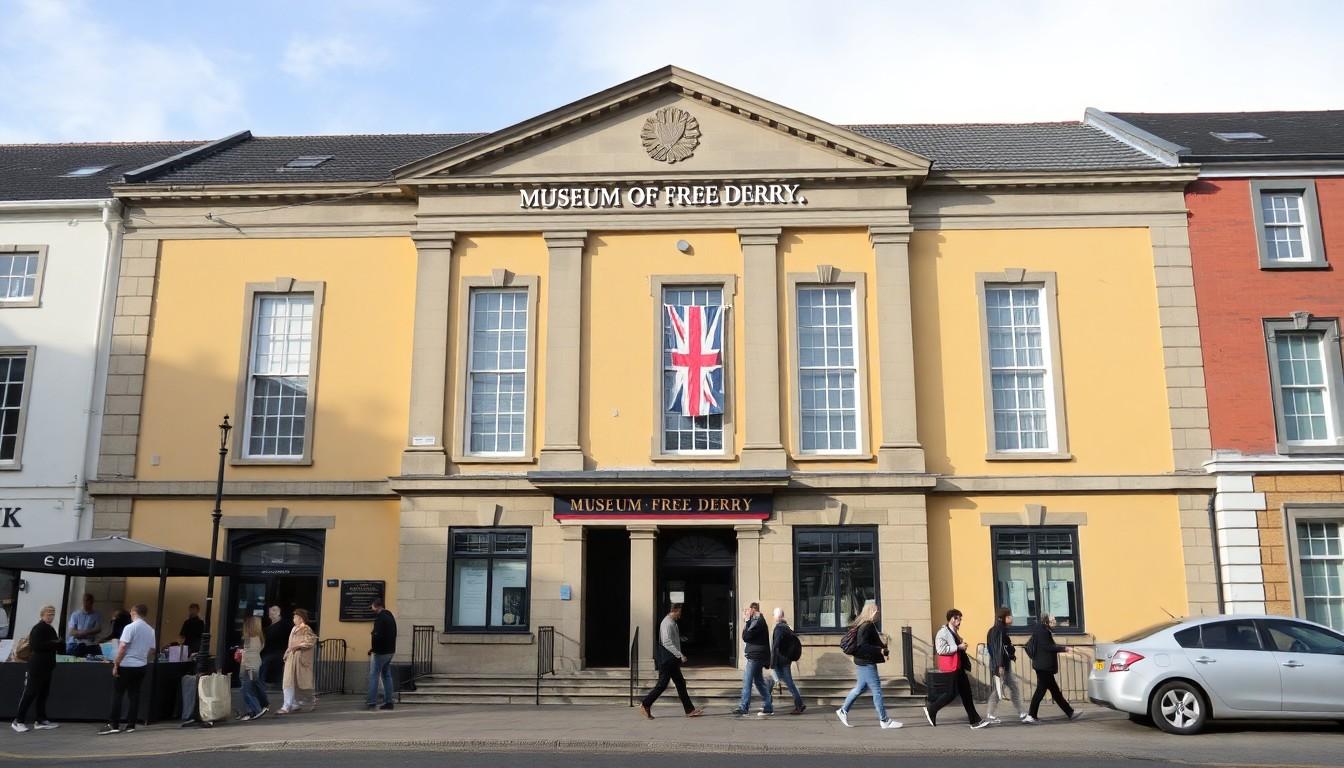
Discover a thoughtful new display that traces how Irish republicanism and the gay liberation movement met, clashed and ultimately found common ground; locals and visitors are invited to the Guildhall launch on 6 August, with the show then moving to the Museum of Free Derry for wider public viewing.
Essential Takeaways
- Launch event: The exhibition opens at the Guildhall Whittaker Suite on Thursday 6 August at 7pm, hosted by Mayor Grace Uí Niallaís.
- Joint project: It’s a collaboration between the Bloody Sunday Trust/Museum of Free Derry, Áras Uí Chonghaile and OUTing the Past.
- New material: The display uses interviews and previously rarely seen archive items to tell a more nuanced story.
- On show: After the Guildhall, the exhibition will be on display at the Museum of Free Derry from 7 August during normal opening hours.
- Personal connection: Organisers say the project reveals hidden histories and personal stories, including accounts of emigration and exclusion.
A surprising friendship , why this exhibition matters
The headline fact is simple but striking: two movements often pictured as opposites developed shared ground. The new exhibition presents archival photographs, oral testimony and documents that show how activists from both communities sometimes supported each other, worked together and shaped shared ideas about rights and dignity. It’s quietly powerful to see these conversations displayed, and there’s a human warmth to many of the stories on show.
How the project came together
According to organisers, the Bloody Sunday Trust partnered with Áras Uí Chonghaile and OUTing the Past to gather material that has rarely been public. The trust’s work at the Museum of Free Derry provided institutional support and local networks for collecting interviews. That collaboration means the public will finally see evidence that challenges a neat narrative of constant antagonism, opening up a more complex picture of social change in the North.
What you’ll actually see and hear
Expect to encounter recorded interviews, newspaper cuttings, campaign leaflets and photographs that bring the past to life. Curators have emphasised testimony as central , personal accounts add texture and a sense of immediacy, so you’ll hear voices rather than just read dates. For visitors, the emotional payoff is in the small details: a weary laugh in an oral history clip, a faded handbill pinned under glass, the tactile feel of an old leaflet.
Why this changes the conversation about hidden histories
Tony Doherty, chairperson of the Bloody Sunday Trust, frames the show as one of many hidden histories now able to be told. That matters because it reshapes how communities understand their past and one another. Rather than erasing conflict, the exhibition adds nuance , showing moments of solidarity alongside disagreement , and invites new research into other overlooked intersections of social movements.
Practical details for visitors
The launch takes place in the Guildhall, with the exhibition installed in the Whittaker Suite before moving to the Museum of Free Derry from 7 August. The museum’s regular opening hours apply, and the organisers plan to make the show available to other venues across the city after the initial run. If you’re planning a visit, check the Museum of Free Derry’s website for the latest opening times and any guided events connected to the exhibition.
It’s a small but important correction to how we remember the past , and a human story worth seeing.
Source Reference Map
Story idea inspired by: [1]
Sources by paragraph: