Shoppers of ideas are turning to faith-based frameworks as the LGBT debate resurfaces in universities and policy circles; Muslim educators and organisations in Indonesia argue that Islamic education offers moral foundations, practical guidance for families, and a calm tone for public conversation.
Essential Takeaways
- Context: Student research and a university response reignited public debate over LGBT issues in Indonesia; the topic now spans academia, religious bodies and lawmakers.
- Religious grounding: Islamic teaching frames sexual ethics within marriage between a man and a woman, and points to scripture and prophetic guidance as normative anchors.
- Tone matters: Leaders emphasise hikmah , wise, gentle engagement , to avoid dehumanising language and protect social harmony.
- Policy and pedagogy: Organisations call for policies that respect religious values while urging education that supports families and age-appropriate digital safeguards.
- Practicality: Parents and schools are encouraged to strengthen character education, monitor online content, and discuss sensitive topics with care.
Why the debate flared again , and why it matters now
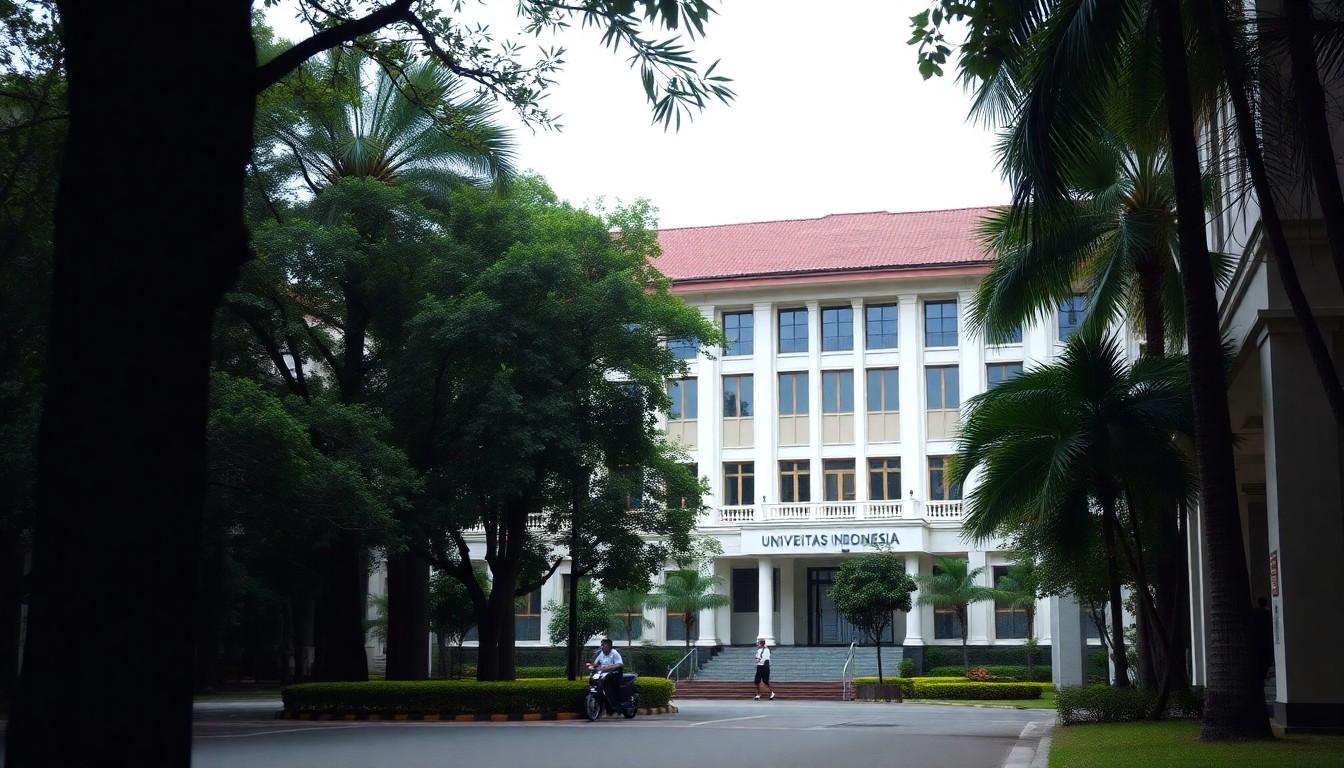
A university student group published a study citing the American Psychological Association, and the post went viral, prompting Universitas Indonesia to clarify the findings were not the institution's official stance. At the same time, the Indonesian Ulema Council announced work on an academic paper and draft law addressing LGBT-related crimes, which pushed the issue from campus chat into national policy conversation. The result is a debate that now involves academics, religious leaders, lawmakers and families, so the stakes are higher than a single social-media row.
This matters because policy choices shape everyday life: education, family law and digital regulation. If one voice , whether purely scientific or purely religious , dominates, public discourse can feel unbalanced. Observers say that a broader, multi-disciplinary approach would help, blending research with cultural and religious understanding to craft responses that fit Indonesia's social fabric.
Islamic education as a foundation, not a blunt instrument
Islamic educators argue that their tradition offers a coherent framework for moral formation: belief leads to character, character to conduct. Scriptural citations and the story of Prophet Luth are cited by many as normative guidance on sexual ethics, while injunctions about gentleness and wise persuasion shape how those values are communicated. In practice, this means teaching young people about marriage, duty and dignity alongside broader moral virtues.
That doesn't mean shutting down dialogue. Prominent Muslim groups stress delivering teachings with compassion and respect. So, Islamic education can be both principled and pastoral , a source of conviction that still models civility when discussing contested issues.
What parents and schools can do , practical, age-appropriate steps
Families and schools are the front line. Strengthening character education, as Muhammadiyah-affiliated voices have noted, doesn't erase moral clarity but equips children with resilience, empathy and critical thinking. Practical steps include creating clear, consistent messages at home about relationships, using age-appropriate materials, and monitoring digital spaces where children increasingly encounter conflicting narratives.
Schools can build policies that reflect community values while protecting pupils' dignity. That might mean pastoral support for students grappling with identity questions, and teacher training so conversations stay respectful and developmentally appropriate. Small interventions often prevent confusion from becoming crisis.
How policy and research should interact
Research provides data; religion provides values; policy should bridge the two. Observers recommend transparent processes where academic findings, religious ethics and human-rights concerns are weighed together. When organisations draft legislation or educational standards, they can benefit from multidisciplinary review panels so outcomes are defensible, balanced and suited to Indonesia's plural society.
That approach also reduces polarisation. If lawmakers consult clergy, educators and scientists, public trust is likelier to hold. Meanwhile, academic institutions can communicate clearly about what is or isn't official university policy to avoid misunderstandings that inflame public debate.
Conversation tone: why kindness changes outcomes
Islamic sources emphasise hikmah and gentle discourse, alongside strictures about sexual conduct. Leaders who foreground humane language tend to keep debates from tipping into harassment or social exclusion. In a digital age where messages spread fast and feelings get raw, modelling calm, courteous discussion is a small but powerful tool for preserving social cohesion.
Looking ahead, constructive dialogue , rooted in religious conviction but practised with empathy , can help Indonesia navigate a sensitive issue without shredding relationships or derailing children's wellbeing.
It's a small shift in tone and practice that could make public debate less destructive and more useful.
Source Reference Map
Story idea inspired by: [1]
Sources by paragraph: