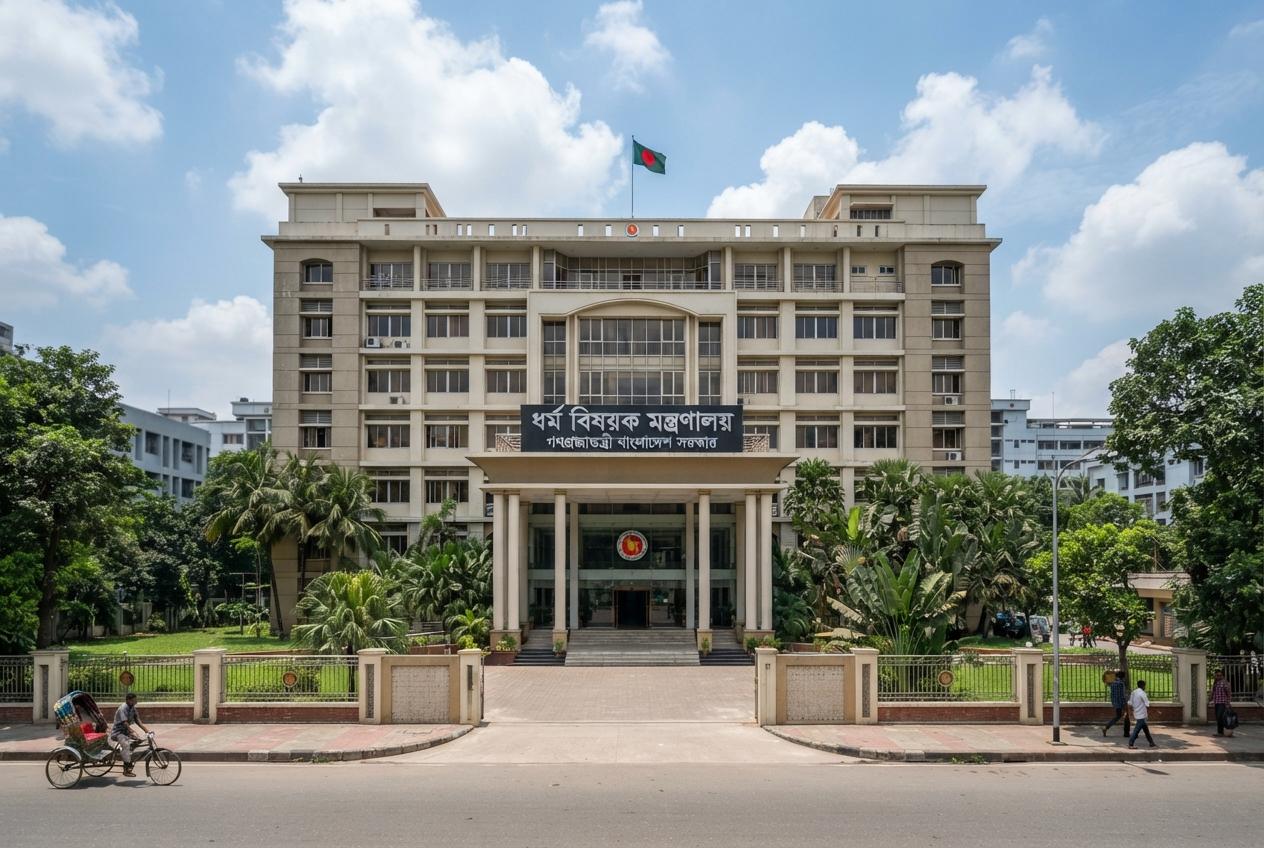
Shoppers of information are turning to recent developments in Indonesia as the Ministry of Religious Affairs drafts materials to “prevent the spread of LGBT culture” in schools, mosques and family programmes , a move that matters because it risks increasing stigma, harming young people’s mental health and shifting public discourse.
Essential Takeaways
- Policy shift: The Ministry of Religious Affairs plans educational content aimed at discouraging LGBT “spread” across religious schools and community programmes.
- Where it will appear: Materials could be used in regular and Islamic schools, Friday sermons, family development sessions and religious outreach.
- Health concerns: Experts and activists warn such instruction risks deepening stigma and harming youth mental health, with no scientific proof it changes sexual orientation.
- Legal patchwork: Same-sex relations aren’t criminalised nationwide, but Aceh enforces sharia punishments; the move follows a presidential regulation naming “spread of homosexuality” as a non-military threat.
- Public debate: Officials say the regulation isn’t intended to criminalise groups, but critics fear normalising discrimination in education settings.
What exactly is being proposed , and where you’ll see it
Indonesia’s Ministry of Religious Affairs is drafting teaching material described as preventing the “spread” of LGBT culture, and officials say it could be rolled into religious education in schools, Friday prayers, family development programmes and other religious events. That means the content won’t be limited to a single subject; it could reach children both in class and in community life, which feels intimate and immediate. The ministry frames the effort as following a 2025 presidential regulation listing the issue among non-military security threats, but education experts say classroom exposure changes the conversation about young people rather than offering neutral guidance.
Why activists and mental health professionals are alarmed
Queer activists and mental-health specialists stress there’s no scientific evidence that anti-LGBT education can alter someone’s sexual orientation, and they warn that moralising lessons can increase shame and isolation. Stigma has real consequences , higher rates of anxiety, depression and self-harm are well documented where young people are taught their identities are a problem. Critics argue that when religiously framed warnings are incorporated into lessons or sermons, they carry moral weight that’s hard for children to contextualise.
The legal and political backdrop you need to know
The drive follows a presidential regulation that listed the “spread of homosexuality” alongside separatism, terrorism and online gambling as a non-military security issue. Government spokespeople say the regulation is not a tool for criminalising individuals, but in practice the mention elevates the issue on the state’s agenda. Indonesia’s legal landscape is uneven: same-sex activity isn’t criminalised nationwide, yet provinces like Aceh have sharia-based punishments. That patchwork makes any national educational campaign especially sensitive and politically charged.
How schools and families might feel the change
If the materials are adopted, teachers and religious leaders could be expected to deliver messages discouraging LGBT identities in contexts meant to shape values. That puts educators in a tricky spot: they’ll need to balance curriculum requirements with students’ wellbeing and professional safeguarding duties. Parents will notice too, especially those of queer or questioning teenagers who may suddenly find school settings less safe. Practical advice for families: ask schools for copies of curricula, press for access to counselling resources, and seek clear safeguarding policies.
What experts recommend instead
Medical and child-development authorities generally point to inclusion, accurate information and supportive counselling as better approaches for youth wellbeing. Preventive education that focuses on respect, consent and mental health avoids singling out particular identities while equipping children with social skills. Observers suggest that if the ministry truly wants to help families and communities, resources should centre on resilience, anti-bullying and parental support rather than framing identities as threats.
It's a small change on paper that could make a big difference in classrooms and homes, so people who care about young lives should pay attention and ask their schools what will be taught.
Source Reference Map
Story idea inspired by: [1]
Sources by paragraph: