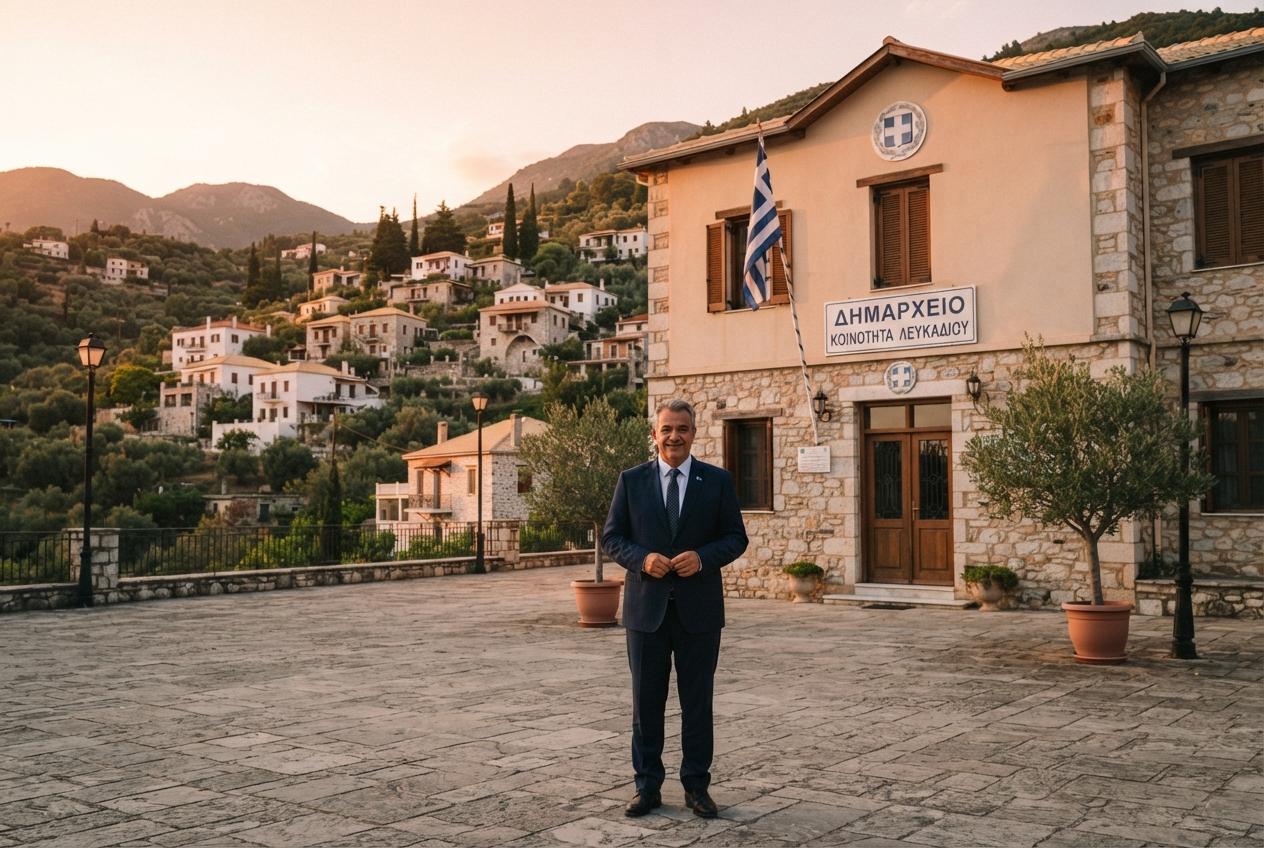
Spotlighting a phrase that became TV folklore, actors and local leaders are revisiting why Apostolos Gkletsos deliberately used the line , and why it matters for vulnerable young people facing violence, exclusion or bullying. The actor says it was a conscious, protective gesture, not a throwaway quip.
Essential Takeaways
- Purposeful line: Gkletsos says the phrase was a conscious, strategic move intended to support young people under pressure.
- Support for minors: He explains the remark aimed to shield minors facing domestic abuse, bullying or rejection over sexual identity.
- Rooted in experience: His time as mayor of Stylida exposed him to hidden domestic violence, shaping his public stance.
- Family discussion: He says the decision was discussed within his family before making the statement.
- Cultural echo: The sentence became iconic on Greek television and continues sparking debate and sympathy.
A phrase that stuck , and why it was designed to
The line about the fish cooking on both sides is now shorthand in Greek pop culture, a throwaway that's outlived the moment. According to recent interviews, Apostolos Gkletsos insists it wasn’t accidental or jokey , it was planned, measured and meant to be seen. That gives the catchphrase a warmer, more purposeful tint: it wasn’t just theatre, it was a signal.
Gkletsos told podcast host Anestis Evangelopoulos that he and close family members discussed how best to reach people who were suffering in silence. The decision to speak in metaphor was intentional, he says, because direct confessions or admissions wouldn’t necessarily help those youngsters navigate danger or stigma.
Why metaphor can protect more than blunt truth
There’s a logic to choosing coded language when the goal is protection. Saying something symbolic lets listeners recognise themselves without forcing an admission that could expose them to harm. Gkletsos argues that telling a vulnerable person “I’ve been with a man” wouldn’t have eased their situation; a broader, more resonant image could offer comfort without making the young person a target.
This approach reflects a wider pattern among public figures who want to show solidarity but also preserve anonymity for those they aim to help. It’s a cautious kind of allyship, useful when direct intervention could make a precarious situation worse.
What his mayoral years taught him about hidden harm
Gkletsos points to his time as mayor of Stylida as a turning point. With his office door open, citizens came to him with stories that revealed severe abuse behind otherwise ordinary facades. He says the scale and secrecy of that violence shocked him and made him mindful of how people, especially children, can be trapped in harmful homes.
Those encounters seem to have pushed him toward public gestures aimed at protection. When local officials say they’ve seen the unseen, their language often shifts from symbolic to practical , seeking ways to signal support that won’t escalate risk for victims.
The family angle: why he says it was discussed, not spontaneous
He’s been clear that the remark wasn’t a spur-of-the-moment soundbite. Gkletsos tells interviewers the move came after conversations with his daughter and other family members. That detail softens the picture of a lone celebrity dropping a line for shock value; instead it reads as a considered choice made with close confidantes.
For readers, the takeaway is that public interventions sometimes start as private strategy sessions. If you’re thinking about speaking up for someone, a quick chat with trusted people can help shape a safer, more effective message.
How to judge symbolic support , when it helps, and when to act differently
Symbolic statements can soothe and signal solidarity, but they’re not a substitute for concrete help. If someone is in immediate danger, practical steps matter: contacting local services, documenting abuse, and, where necessary, involving authorities. When the risk is to reputation or safety, metaphorical support can be an initial lifeline.
Gkletsos’s stance is a reminder to balance empathy with realism. Public figures can shine a light; professionals and loved ones must follow through with real-world protection.
It's a small choice of words that keeps doing important work.
Source Reference Map
Story idea inspired by: [1]
Sources by paragraph: