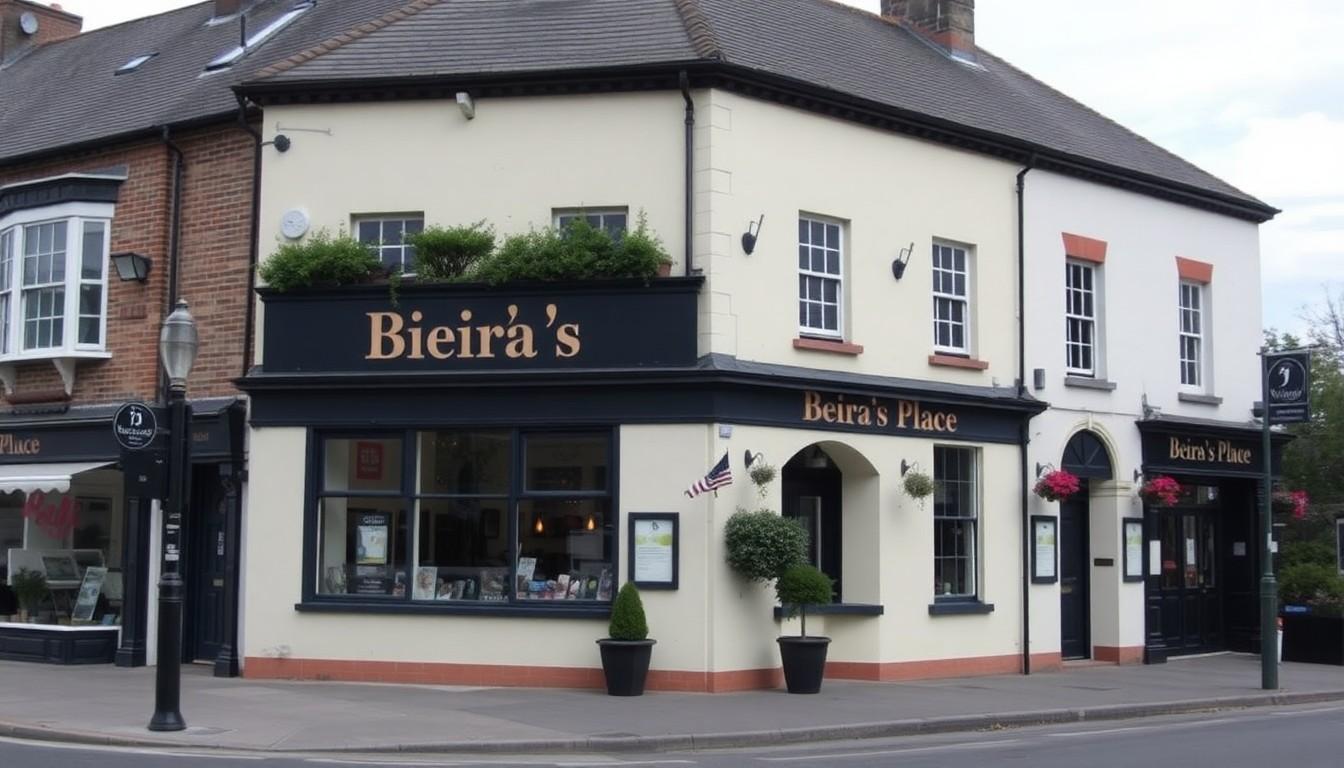
Shoppers of information have noticed a row over a withdrawn Amnesty UK briefing , who was named, why it sparked complaints, and what it means for human rights campaigning in the UK. This piece unpicks who Beira’s Place are, why JK Rowling’s links matter, and what the review could mean for future reporting on anti-rights groups.
Essential Takeaways
- Report removed: Amnesty International UK pulled a briefing titled A Growing Threat after groups named in it objected to their inclusion and to the internal review process.
- Who’s named: The briefing highlighted organisations it said were part of an anti-rights movement targeting marginalised groups, including Beira’s Place, a women-only support service linked to JK Rowling.
- Why it matters: The dispute raises questions about how human rights organisations map and label campaigns that affect women’s, LGBTQIA+ and trans rights, and about due process in public naming.
- Service detail: Beira’s Place provides support to survivors of sexual violence and excludes trans women from services, citing legal interpretation of single-sex provisions.
- Next steps uncertain: Amnesty says the briefing is under internal review and hasn’t indicated when or if a revised version will appear.
What happened , the headline move that made people talk
Amnesty International UK published a briefing identifying what it described as an anti-rights movement, then removed it after several organisations challenged their inclusion. The removal itself became the story, casting a spotlight on how civil-society groups police each other and how sensitive such listings can be. According to Amnesty, concerns centred on the internal review process rather than a change of heart about the underlying concerns the briefing raised.
Who is Beira’s Place and why did its name spark a reaction?
Beira’s Place opened in Edinburgh in 2022 as a specialist centre offering support to women survivors of sexual violence, and it publicly states it provides services to biological women only. The organisation was set up with backing from author JK Rowling, which added public heat to the debate when the charity was named. Supporters say single-sex spaces can be crucial for some survivors; critics argue exclusionary policies deepen marginalisation for trans people, who research shows face higher rates of sexual violence.
The free-speech, accountability and reputational tightrope
Listing groups as “anti-rights” is always risky. For Amnesty, calling out actors that oppose rights aims to map threats to marginalised people; for the groups named, it can feel like an unfair or damaging public label. This tussle is part of a broader trend: charities, media and policymakers are increasingly pressed to balance accountability with careful verification. Amnesty has said it remains committed to gender justice and LGBTQ+ rights while it reviews the briefing procedures.
Legal framing and the single-sex services debate
Beira’s Place points to UK equality law and recent court interpretations when explaining its exclusion policy. That legal framing is central to many of these disputes , it’s not just ideology, it’s also about how law is read and applied in frontline services. If you’re deciding on provision or funding for support services, practical advice is to check the organisation’s published access criteria, seek clarity on safeguarding policies, and consider how local need and legal advice shape service design.
What this means for human-rights reporting and campaigning
The incident underscores the importance of rigorous review when a rights organisation names groups as problematic. Campaigners and watchdogs will likely take note: transparency about methodology, an appeals route for named organisations and clear thresholds for public naming could reduce blowback. For the public, the episode is a reminder to look beyond headlines , check the underlying claims, the legal context, and the responses from all parties involved.
It’s a small procedural change that could make a big difference to how rights debates are handled in public.
Source Reference Map
Story idea inspired by: [1]
Sources by paragraph: