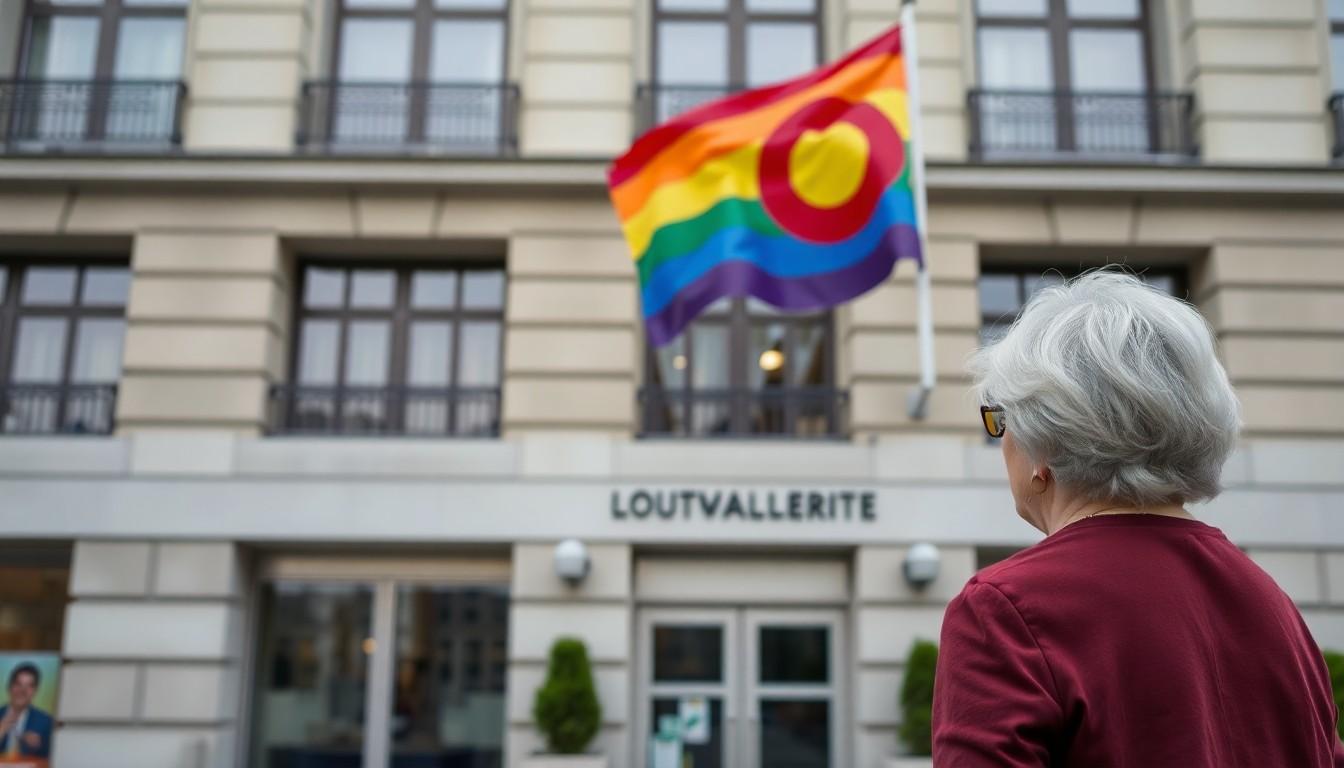
Shoppers may spot more rainbow flags than ever outside town halls this summer, and that's no accident , communities are choosing visibility to signal tolerance, solidarity and hard-won rights, while online backlash shows why Pride symbols still matter.
Essential Takeaways
- Historic roots: The rainbow flag began as a deliberate symbol of resistance and unity, born from activism in the 1970s.
- More than colour: It represents identity, memory and the fight against laws and social exclusion, not simply sexual orientation.
- Visibility matters: Flags outside civic buildings make diversity tangible and invite celebration, but also draw hostile reactions online.
- Progress is fragile: Legal gains exist, yet rollbacks and rising rhetoric in parts of the world show Pride remains necessary.
- How to respond: Supportive gestures , from local councils to comment moderation , help protect vulnerable voices and keep the conversation constructive.
Why the rainbow flag started as a protest, not a fashion choice
The rainbow flag was created to be seen and to say “we exist” in public, and it did that with a splash of colour and intent. According to history reporting, Gilbert Baker designed the flag in 1978 as an emblem for a movement emerging from struggle and resistance. The flag's bright, tactile presence , bold stripes waving on poles , was meant to counter invisibility with celebration. Remembering that origin helps explain why the flag feels political to some and profoundly personal to others; it's less about décor and more about recognition.
Pride flags today: symbols of memory and ongoing struggle
Pride isn't just an annual party; it's a living reminder of past persecution and a marker for rights still under debate. National Geographic and History note that the flag replaced earlier symbols used in the movement and took on layers of meaning over decades. For many, it honours people who were criminalised, sidelined or even harmed for their identities. That historic memory is why a “hetero flag” is not a parallel concept: heterosexuality hasn’t been systemically excluded in the same way, so there wasn't the same need for a rallying standard.
Visibility versus backlash: what happens online
In towns and cities where rainbow flags fly from council buildings, the gesture is widely welcomed , but social feeds reveal a different picture. Posts supporting Pride often attract abusive comments or calls for opposing banners, and some media outlets have closed comment sections to avoid amplifying hate. That pattern underlines an uncomfortable truth: public support can prompt hostile reactions, and moderating that space becomes a civic responsibility. Officials who display flags are also signalling they will defend inclusive values when the comments turn toxic.
Legal gains, but no guarantee they’ll stick
It's easy to assume that once rights like marriage equality or anti-discrimination laws are secured, the job is done. Time’s coverage of legal milestones and broader histories shows that progress in one era doesn't make retrenchment impossible in another. Across Europe and beyond, some governments have seen backslides; rhetoric hardens and legal protections can be tested. Pride functions now as both celebration and insurance policy , a public reminder that hard-won freedoms deserve vigilance, not complacency.
How communities can make Pride meaningful , and safer
There are practical ways to keep Pride visible and protective without escalating conflict. Local authorities can combine flag-raising with educational materials about why the symbol exists, moderate online commentary to prevent abuse, and host events that welcome discussion rather than shut it down. Individuals can show quiet support , wear a pin, attend a parade, or speak up against slurs on social feeds. Small gestures matter because they shift atmosphere from confrontation to conversation.
It's a small change that can make every flag mean more.
Source Reference Map
Story idea inspired by: [1]
Sources by paragraph: