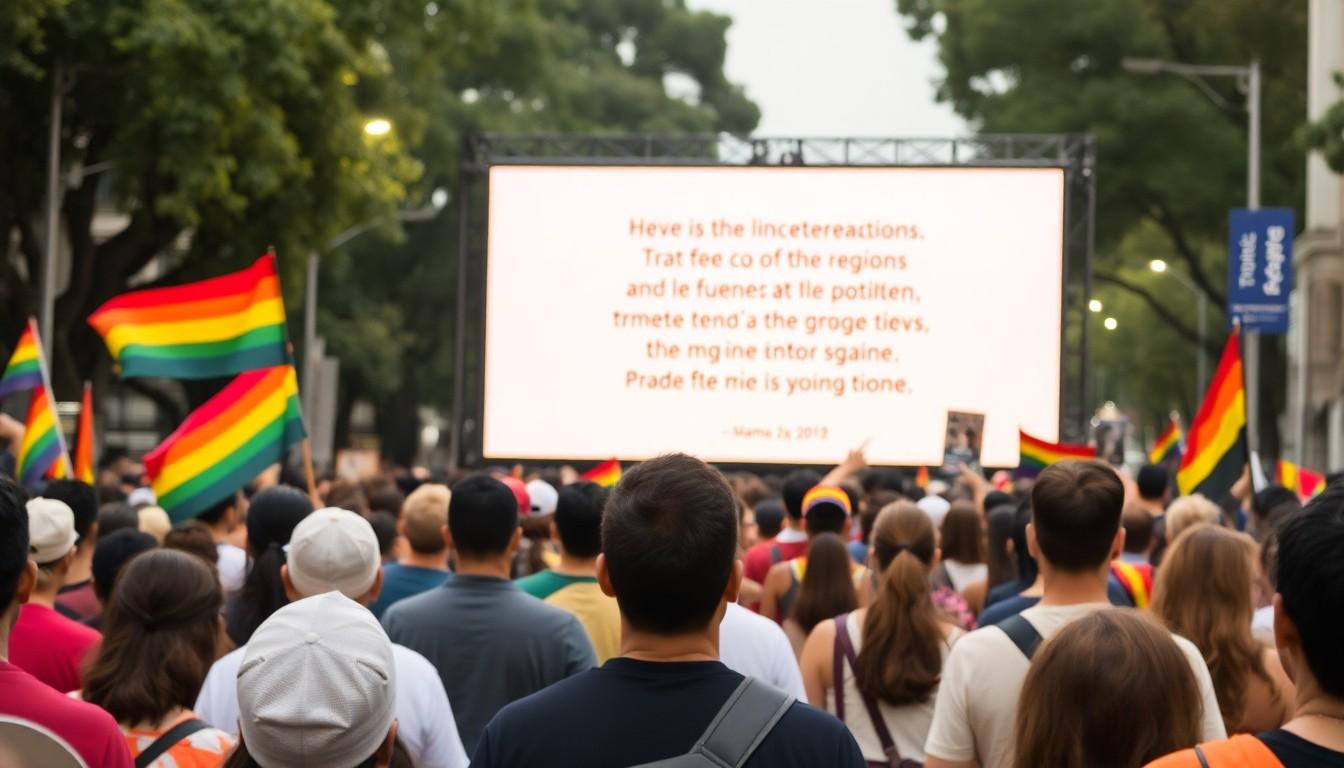
Shoppers and supporters are finding new ways to show up: a campaign called La Marcha que Conecta helped people from Peru’s regions beam messages into Lima’s Pride march, widening visibility for LGBTQIA+ communities who can’t travel to the capital. It matters because representation isn’t only physical presence , it’s being heard.
Essential Takeaways
- What happened: A campaign by condom brand Piel called La Marcha que Conecta projected messages from people across Peru into the Lima Pride march, creating remote participation.
- Why it matters: Many LGBTQIA+ Peruvians can’t attend Lima events due to distance, cost or lack of local spaces; inclusion can be digital as well as physical.
- Size of the problem: According to the II National Human Rights Survey, 59% of Peruvians say LGBTQIA+ people still face discrimination, underlining the need for broader visibility.
- How it felt: The initiative created a visible, emotional bridge , messages from towns far from the capital were part of the march’s atmosphere.
- Practical edge: Initiatives like this help build community and pressure for local changes without requiring everyone to travel.
Why bridging distance matters: Pride beyond the capital
Remote voices carry a particular hush and urgency , messages from provincial towns often sound rawer, more necessary. According to the Ministry of Justice and Human Rights’ II National Human Rights Survey, a majority of Peruvians recognise ongoing discrimination, so making Pride visible outside Lima isn’t a nicety, it’s essential. Campaigns that let people send in messages or livestream local actions create a sense that Pride is nation‑wide, not just a capital event. If you live outside Lima, being part of the conversation can be the difference between feeling isolated and feeling seen.
How La Marcha que Conecta worked , simple tech, big heart
The idea was straightforward: collect messages from LGBTQIA+ people and allies in different regions and project or broadcast them during the march. The effort, led by Piel and articulated by campaign managers, aimed to answer a simple question , what about those who want to participate but can’t get to Lima? Using projections and curated messages gave those voices a physical presence in the capital’s procession. It’s an easy model to copy: a clear call for submissions, basic AV set‑ups and partnerships with local groups can make remote participation feel real.
Why brands and organisations are stepping in
Commercial or civil-society partnerships can move fast and fund the tech and logistics that grassroots groups sometimes lack. APROPO’s marketing lead framed the campaign around representation, not just attendance, and that framing matters. When brands offer platforms responsibly and work with local advocates, they can amplify stories that otherwise stay local. Still, it’s worth watching that such initiatives serve community goals, not only brand visibility , transparency and community leadership help keep the spotlight where it belongs.
The data behind the push for wider inclusion
Ipsos’ work for the Ministry of Justice shows a telling context: significant portions of the population perceive discrimination against LGBTQIA+ people. Government reports and surveys reinforce that visibility must be accompanied by policy and local organising. Campaigns like La Marcha que Conecta plug a visibility gap today and can feed longer‑term change by connecting regional voices with national audiences. If more municipalities saw this as a model, local Pride events or hubs could follow, reducing the travel barrier altogether.
How communities and organisers can copy the idea
Start local and think hybrid: solicit short video messages or written notes from people who can’t travel, partner with a local AV company or university media lab, and integrate those messages into a central march or livestream. Keep submissions safe and consensual, especially where privacy matters. Work with local NGOs so outreach reaches quieter or at‑risk groups. Small budgets can still create a big emotional impact; sometimes a few well‑placed screens or a strong online push is all that’s needed.
It's a small change that can make every Pride feel a little closer to home.
Source Reference Map
Story idea inspired by: [1]
Sources by paragraph: