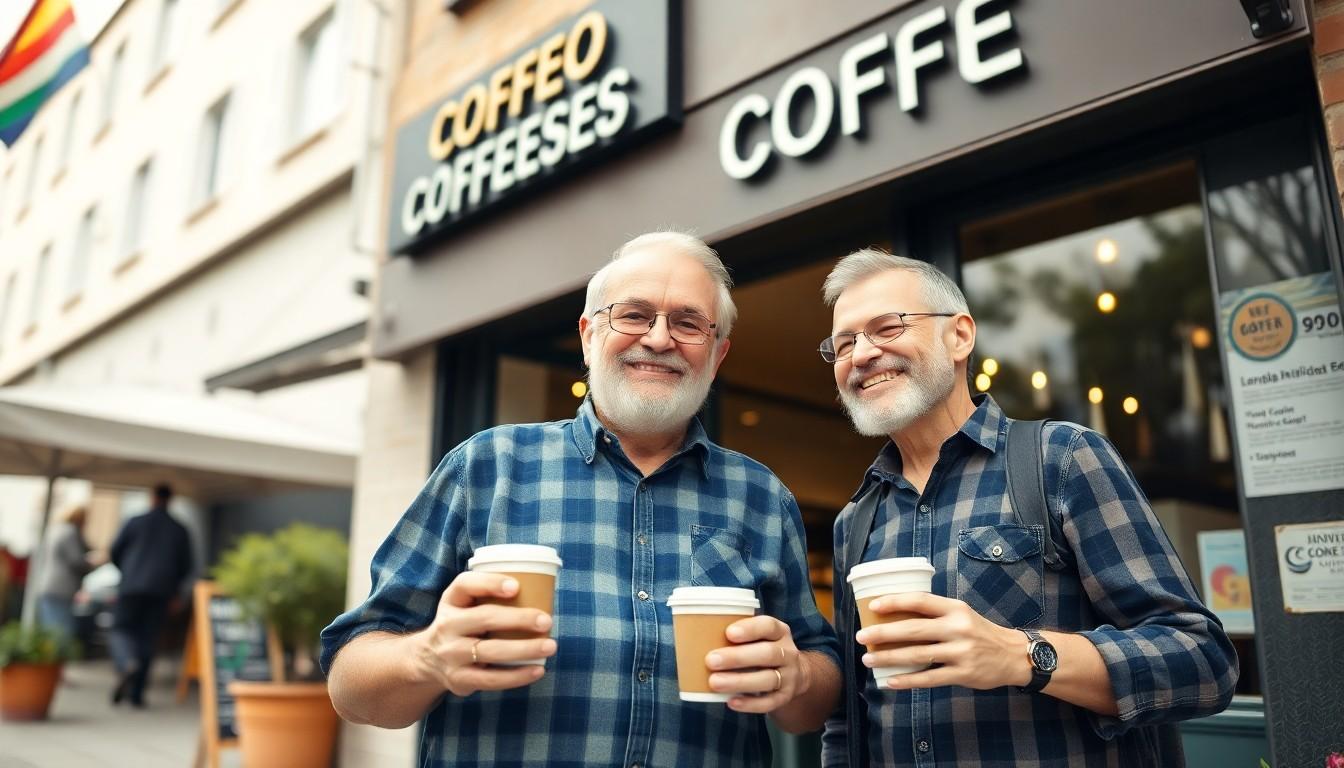
Spotting ageism in gay scenes is common, but many are finding clever, calm ways to shrug it off, push back and reclaim spaces , from bars to apps , so older queer men feel seen, respected and confident. Here's what readers, advocates and research suggest works.
Essential Takeaways
- Most shrug it off: Many older gay men say they let rude comments slide and focus on enjoying the night instead.
- Visibility matters: Being present in community spaces , bars, events, drag shows , helps combat invisibility and builds intergenerational ties.
- Apps amplify bias: Dating and hookup apps are frequent sites of ageist slights; blocking and curating profiles are common responses.
- Generational mix helps: Younger allies and performers often affirm elders, reminding them their presence is valued.
- Practical tactics: Responding with humour, setting boundaries, or finding age-friendly venues keeps social life rich and safe.
Why older gay men are tired of being “looked through” not seen
There’s a sharp sting when someone glides past you as if you’re invisible, and many queer elders described that exact feeling in bars and on apps. They talk about standing at the bar while younger people get served first or receiving nasty messages online, and it’s easy to see why it wears thin. According to LGBTQ+ advocacy groups and elder-dignity work, this sort of erasure chips away at mental health and community belonging. Practical approach: pick rooms where staff and regulars value everyone, and try cultivating a handful of younger friends who respect and include you.
Letting slights roll off your seasoned back , the emotional toolkit
A popular tactic is simple: don’t engage. Readers shared that brushing insults off, buying another drink and moving on preserves the evening and protects emotional energy. That kind of self-possession can read as magnetic, and some found they actually attract more positive attention by radiating calm confidence. For those who want to respond, a concise, witty retort or a polite boundary , then walking away , tends to work better than a prolonged argument.
Apps: where ageism gets blunt and how to fight back
Dating platforms are where age preferences become blunt policy, and many gay men report being dismissed or insulted there. The practical moves are straightforward: curate who can message you, use filters, and block abusive users. Some also recommend shifting to platforms or groups aimed at older men, or lean into profiles that showcase confidence and interests , because often the issue isn’t age alone but tone and intent. Industry research into LGBTQ+ ageing highlights that technology both isolates and connects, so it pays to be strategic.
Intergenerational friendships are the secret sauce
A handful of anecdotes show the power of cross‑generational friendship: younger pals who call older men “gay grandchildren,” performers who publicly thank elders for showing up, and spontaneous conversations in bars that end in plans. These moments prove you don’t have to retreat from younger scenes to feel respected. Community programmes and local clubs featured in elder-dignity initiatives often encourage mentoring and shared events, which calm tensions and create mutual appreciation.
Turning up, dressing for you, and owning your night
Many contributors found freedom in deciding their evenings weren’t about being chased or validated by younger men but about enjoying music, drinks, drag and company. That mindset shift , dressing to feel good rather than to please , changes how others perceive you and how you feel. For those who’ve felt excluded by nightlife, seek out nights that cater to mixed ages or explicitly older crowds; if none exist, consider starting one. Visibility begets visibility.
Closing line
It’s a small change in attitude and habits, but showing up and setting your terms can make every night feel like it belongs to you.
Source Reference Map
Story idea inspired by: [1]
Sources by paragraph: