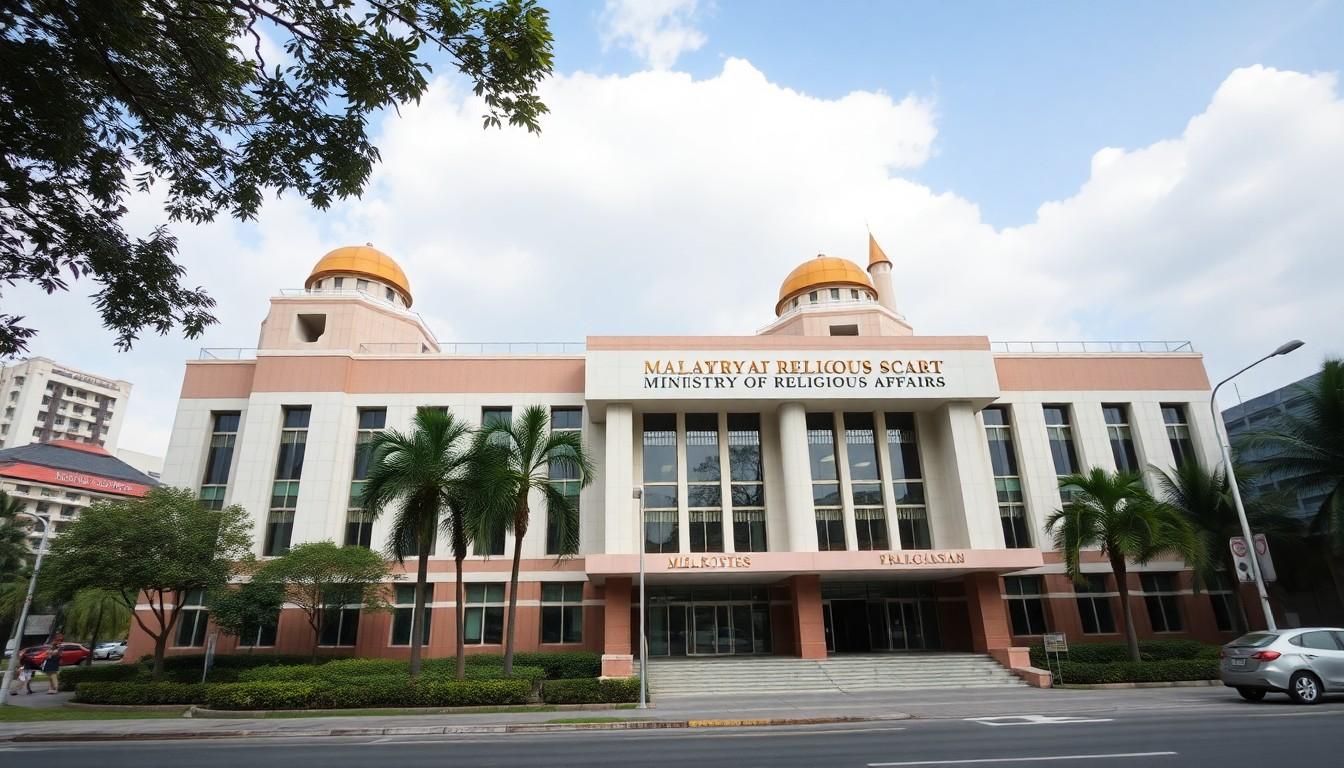
Startling remarks by Malaysia’s minister for religious affairs have sparked online ridicule and serious debate; politicians, scientists and rights groups are weighing in on whether work stress can influence sexual orientation and why that matters for policy and public health.
Essential Takeaways
- What was said: Malaysia’s religious minister suggested work-related stress, social influences and lack of religious practice may contribute to LGBT behaviour.
- Backlash was swift: Social media, journalists and rights groups criticised the claim as inaccurate and stigmatising.
- Scientific consensus differs: Major health bodies like the WHO and APA state sexual orientation is a natural part of human diversity.
- No official stats: The government says it does not keep an official count of LGBT people in Malaysia.
- Practical concern: Claims tying orientation to stress risk promoting harmful policies and discouraging people from seeking mental-health support.
Why the comment landed like a grenade
The minister’s written parliamentary reply named stress and social factors as possible contributors to what he called “LGBT lifestyle,” and cited a 2017 study as support. The line landed with a thud because it ties a complex aspect of identity to workplace pressures, which many people find reductive and blaming. Readers reported feeling a mix of disbelief and frustration; the phrasing sounds accusatory rather than inquisitive. According to local coverage, the remarks were part of a response to a lawmaker seeking updated data on LGBT trends.
What scientists and health bodies actually say
Major medical organisations reject the idea that stress “turns” someone LGBT. The World Health Organization and the American Psychological Association describe sexual orientation as a natural variation in human sexuality, not an illness or a reversible state. Independent scientific critiques have already pointed out methodological problems when people conflate correlation with causation. For readers trying to square the minister’s claim with mainstream science, the takeaway is simple: stress affects mental health, but it does not change someone’s innate orientation.
The political and social ripple effects
Comments like these matter beyond headlines. They shape public attitudes, embolden stigma, and can influence policy , from education to healthcare access. In Malaysia, where LGBT topics remain sensitive and legal frameworks vary, government messaging carries extra weight. Journalists and commentators noted a wave of online mockery and anger, but also a sober worry: rhetoric that frames LGBT identities as a product of moral failing or social dysfunction can make people less likely to seek help for work stress, depression or anxiety.
How to read the research claims carefully
When officials cite studies, it’s worth looking at the details: sample size, context, how terms are defined, and whether the study shows association or cause. Some research explores how minority stress , discrimination, concealment and social pressure , affects LGBT people’s mental health, but that’s not the same as saying stress creates orientation. If you’re trying to judge a headline claim, ask whether the research was designed to test cause-and-effect, who funded it, and whether other experts have reviewed it.
Practical advice if you’re worried about stress or identity
If workplace pressure is getting to you, start with practical, local steps: talk to your GP, seek confidential counselling, use employee assistance programmes if available, and build small routines that reduce daily strain. If you or someone you know faces stigma over sexual orientation, reach out to community or helpline services that operate in your area; they often offer discreet advice. And remember, science and compassion can coexist , acknowledging stress doesn’t mean inventing causes for who we are.
It's a small change in language that could make conversations about work and wellbeing less harmful.
Source Reference Map
Story idea inspired by: [1]
Sources by paragraph: