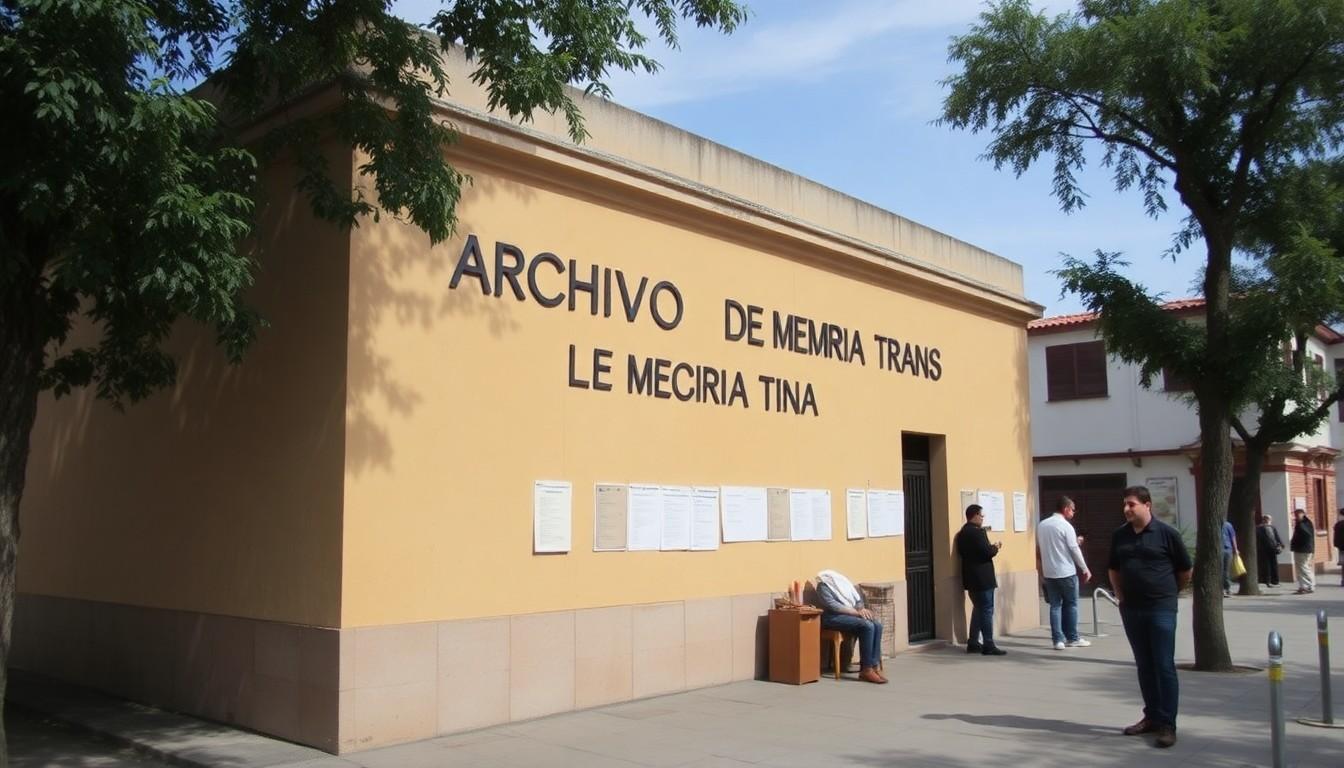
Shining a light on community-led memory work: activists in Buenos Aires are using Wikimedia tools, social media and DIY archives to rescue trans histories that institutions missed , and the approach offers practical, low-cost strategies anyone can copy.
Essential takeaways
- Community-built archives matter: Argentina’s Archivo de la Memoria Trans transformed a Facebook group into a recognised archival project with digitised materials and cultural outputs.
- Digital is fragile but useful: Social media and personal websites help collect memories, yet they need maintenance and funding to survive.
- Wikimedia as an ally: Adding concise, well-sourced details to existing Wikipedia articles is a realistic, low-effort way to increase visibility.
- Handle memories with care: Collecting personal histories requires sensitivity around privacy, emotional labour and safety.
- Practical starting point: Document recent events, gather photos and testimonies in closed spaces when needed, and partner with GLAMs where possible.
Why Argentina’s trans memory work feels urgent and tactile
The impulse to preserve comes with a physical and emotional texture: faded photos, grainy cassette recordings, and people telling stories over tea. According to conversations with organisers in Buenos Aires, much of the region’s trans history was simply never collected by mainstream museums or archives, so communities have taken the job on themselves. That creates an intimacy in the records , a warmth and a weight , but also fragility, because personal websites and social media posts can vanish overnight.
This grassroots momentum explains why activists turned a Facebook group into the Archivo de la Memoria Trans, a hub that now digitises materials, produces podcasts and publishes books. It’s an object lesson in how minor, local efforts can grow into culturally significant projects when care, labour and persistence come together.
How Wikimedia tools fit into the preservation toolkit
Wikimedia platforms don’t have to be the whole solution; they can be a strategic part of one. By adding short, sourced sections to existing articles , such as the LGBT+ subsection in the Calchaquíes Valley entry , editors can make queer and trans presences visible without the overhead of running a full archive. That’s a practical route for under-resourced groups who want impact without years of upkeep.
Wikimedia can also provide a neutral home for public-facing material and act as a bridge to GLAM institutions that might otherwise overlook queer histories. The idea is tactical: small edits and sourced additions add credibility and discovery, and they’re scalable across languages and regions.
Practical tips for getting started (no archive required)
Begin with what you can document today. Take photos at events, save flyers and collect oral histories in formats you control. Use closed social-media groups to invite contributions when privacy is a concern, then extract the material you want to preserve in safer, long-term storage. If you or your group can, back up files to trusted repositories and consider uploading public-facing material to Wikimedia Commons with consent.
When editing Wikipedia, keep entries short, verifiable and sensitive: cite community projects, press coverage or institutional exhibitions where possible. Small, targeted changes often succeed where grand projects stall.
Balancing visibility with care and safety
There’s an emotional ledger to this work. Activists and contributors often re-witness trauma when sorting family albums or interviewing older community members, and that labour frequently goes unpaid. Any project should factor in consent, the right to anonymity, and the potential legal or social risks contributors face, particularly in places where trans identities remain vulnerable.
Approach interviews with clear consent forms, offer options for pseudonyms, and limit public exposure of identifying details unless contributors explicitly agree. That builds trust, and trust fuels better archives.
What partnerships with GLAM institutions actually look like
When a community archive gains traction, museums and biennials may start paying attention. The Archivo de la Memoria Trans has reached institutions such as Museo Reina Sofía and Tate Modern after proving its curatorial standards and producing cultural work beyond simple digital storage. Partnerships can provide hosting, preservation expertise and wider audiences , but they also require negotiation about control, representation and access.
A pragmatic pathway is collaboration on specific exhibits or digitisation projects rather than handing over whole collections. That keeps community voice central while securing institutional resources.
It's a small change that can make every memory safer.
Source Reference Map
Story idea inspired by: [1]
Sources by paragraph: