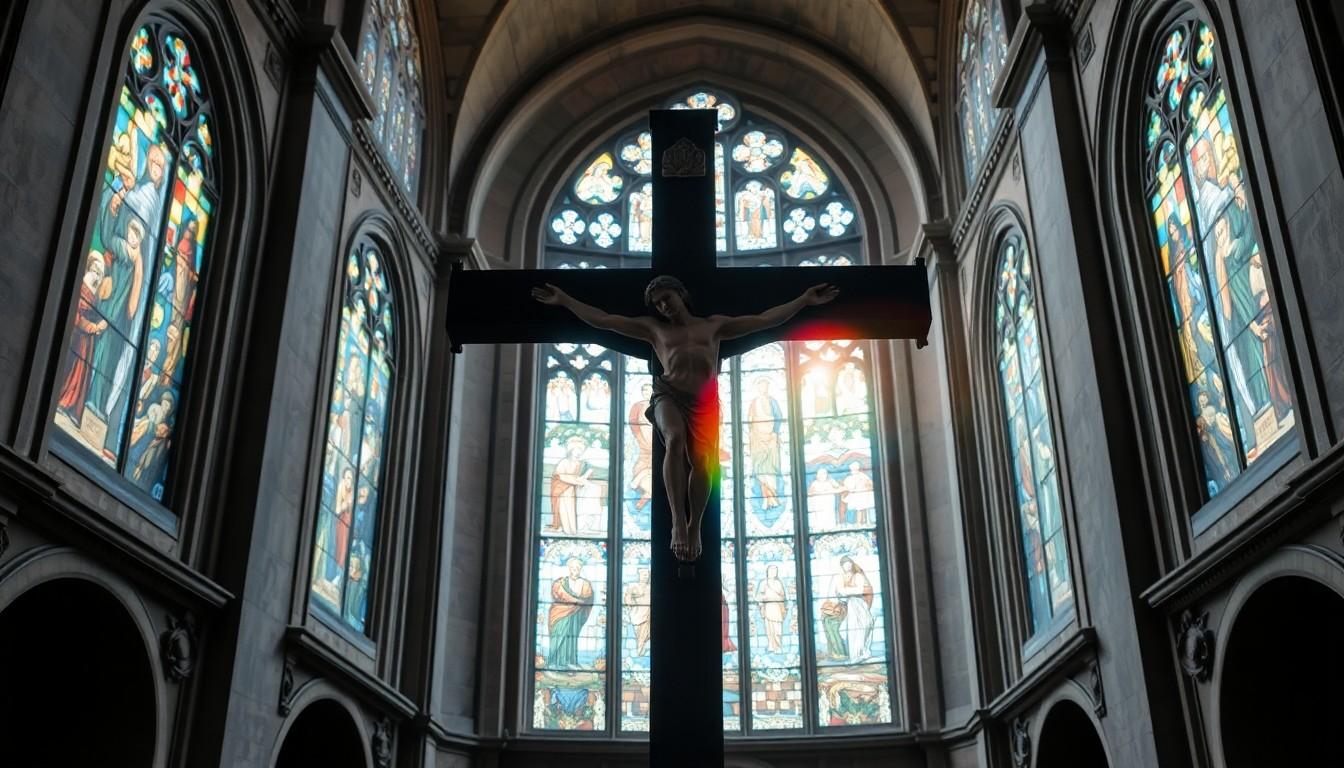
Spotting a rainbow cross at Rome’s Pride felt like a small earthquake , Catholics who identify as LGBTQ+ marched openly, carrying a large rainbow-coloured cross to signal that faith and queer identity can co-exist, and the moment matters for churchgoers, activists and anyone watching Italy’s cultural conversation shift.
Essential Takeaways
- Visible symbol: A large rainbow cross called the “Cross of the Covenant” was carried by Mosaiko, a Roman group of LGBT+ Christians, creating a striking visual at the Pride march.
- Dual aim: The group says it wants both spiritual fellowship and civil rights, linking prayer gatherings with demands for marriage equality and parenting recognition.
- Organisational backing: New Ways Ministry highlighted the move as an example of Catholics insisting their faith doesn’t exclude LGBT+ people.
- Ongoing dialogue: The gesture follows public meetings between such groups and church figures, signalling continuing tensions and conversations within Catholic communities.
A striking image: faith, colour and public protest
The sight of a rainbow cross bobbing above a crowd in Rome is vivid and, for many, unexpected , a familiar Christian symbol rendered in Pride hues. Mosaiko, the Roman “Mosaic – Rainbow Christians Movement”, described the cross as a tangible sign of inclusion, a way to show that members carry both their faith and their LGBT+ identity with pride. According to reporting and the group’s posts, the cross is also used in their prayer and meditation meetings, so it’s both devotional and demonstrative.
Why this matters: civil rights meet spiritual belonging
For the people involved, this wasn’t just performative colour at a parade. New Ways Ministry framed the appearance as part of a twofold commitment: arguing that Scripture need not condemn someone for their orientation, and pressing for civil rights Italy has yet to fully grant. The group’s public presence at Pride therefore combines personal witness with political demand , a mix that keeps debates over same-sex marriage and parenting rights firmly in the public square.
Where the Church stands and the pushback
The broader Catholic institution still teaches that homosexual acts are morally problematic, and official Vatican documents have long urged pastoral care while rejecting the moral acceptability of same-sex sexual activity. So the rainbow cross lands in a contested field: it comforts and rallies LGBT+ Catholics and allies, but it also provokes concern among those who see such symbols as incompatible with Church teaching. The encounter is less a single flashpoint than an ongoing negotiation about identity, doctrine and pastoral outreach.
What organisers want: inclusion, recognition and practical change
Mosaiko and allied groups say they want more than visibility; they want concrete changes in how the Church and civil society recognise LGBT+ people. That ranges from more inclusive pastoral ministry to legal measures like marriage equality and equal parenting rights. New Ways Ministry and similar organisations have long championed a historical-critical reading of Scripture and a fuller acceptance of LGBT+ people , a stance that shapes their demands and their methods, from prayer meetings to Pride marches.
Picking sides or finding common ground?
Reactions are predictably mixed. For supporters, the rainbow cross is a hopeful sign that people can be both openly queer and openly Christian. For critics, it’s a symbol that challenges longstanding teachings and raises uncomfortable questions about the limits of theological change. Either way, the image sparks conversation: about pastoral care, civil rights, and whether symbols can help bridge deeply held differences.
It's a small but powerful symbol that keeps the conversation moving , and invites Catholics and non-Catholics alike to decide where they stand.
Source Reference Map
Story idea inspired by: [1]
Sources by paragraph: