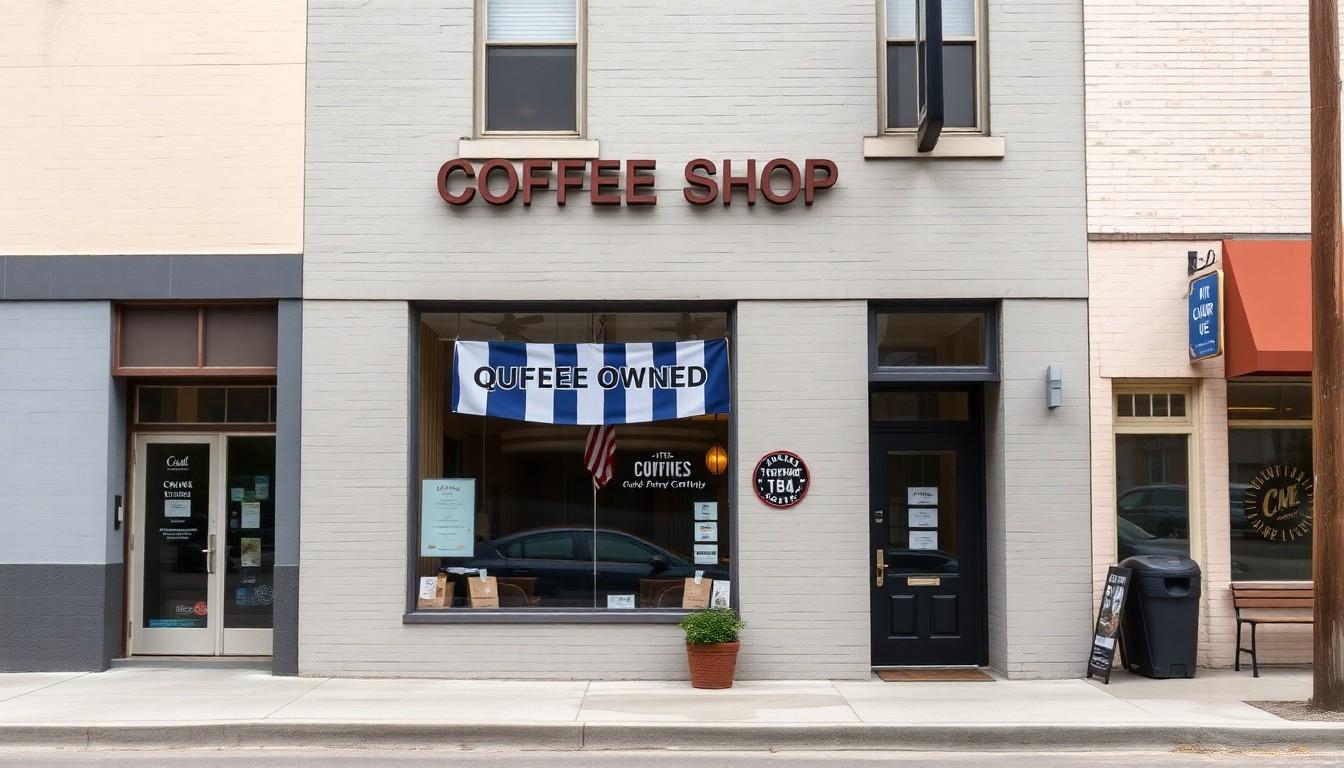
Shoppers and locals are discovering that queer coffee shops are more than caffeine stops , they’re visible, welcoming hubs where people of all ages and identities gather, find support, and organise. From Tempe to Narrowsburg, these cafés blend excellent coffee with activism, events, and a quiet kind of safety that matters.
Essential Takeaways
- Visible welcome: Many queer cafés use subtle and bold cues , flags, art, themed nights , so visitors instantly feel seen.
- More than drinks: These shops host story hours, fundraisers, testing clinics, and sober meetups, creating practical community support.
- Built for safety: Owners report harassment and threats in some places, but strong local networks and events help counter intimidation.
- Inclusive vibe: Spaces are designed for all ages and backgrounds , daytime drag brunches, book clubs, and sober-friendly events are common.
- Local roots, strong coffee: Most owners prioritise quality beans and community partnerships, so you’ll get a great brew alongside solidarity.
Why coffee shops are reclaiming the “third place” for queer people
Coffee shops have long been neutral territory where people linger, chat and meet new friends , a softer, quieter counterpoint to bars and nightclubs. According to local owners, that atmosphere makes them ideal for people who want community without the pressure of nightlife. For instance, Brick Road Coffee in Tempe intentionally leaned into visible queer identity after a wish tree sparked a flood of donations and decor that signalled welcome and belonging. If you prefer gentle laughter and a TV flickering Golden Girls to pounding music, this is the third place you’ve been waiting for.
Events and outreach: cafés as community centres
These cafés don’t just pour drinks; they host everything from Drag Story Hours to HIV/STI testing and blood drives. Totally Tea in Concord has become a lifesaving daytime refuge for young people exploring identity, while Lussi Brown in Kentucky runs book clubs, sapphic meetups and pop-up markets. Owners report that daytime programming creates intergenerational connections and reaches people who can’t or don’t want to be out at night. When choosing a spot, look for event calendars , they tell you whether a shop is social, political, or both.
How owners design for safety , and what happens when hate shows up
Running a visibly queer business can bring pushback. Brick Road faced a bomb threat during a Drag Story Hour; Totally Tea dealt with organised protests. Yet owners emphasise community resilience: doxxing and harassment are met with solidarity, legal reporting, and crowd-backed fundraising. Practical tip: if you’re hosting or attending an event, ask the café about staff training, security plans and local partnerships so you know what support is in place.
Sober spaces, playful menus and real coffee
Not everyone wants alcohol-centred queer spaces, and that’s where cafés shine. Grindhrs in Toledo leaned into sobriety-friendly culture with cheeky drink names and queer-roaster partnerships, while Rooster Café in Missoula pairs a bakery and pup-friendly space with recovery-focused hiring practices. Owners often source beans from small roasters and pay attention to craft , so whether you want an expertly pulled espresso or a comforting chai, you won’t be sacrificing quality for identity. Pro tip: try a café’s signature house roast and ask about the roaster’s story; many queer shops partner with queer-founded roasters.
Small towns, big impact: queer cafés changing local landscapes
Two Queens in Narrowsburg shows how one café can shift local perceptions and even influence where people choose to live. In towns with conservative majorities, a single visible queer-owned business can quietly signal safety and welcome. Owners say that being open about their lives invites support, normalises queer families, and helps people imagine staying long term. If you’re visiting a small town, pop in , your patronage can make a practical difference.
Closing line Drop in for the coffee, stay for the sense of belonging , these cafés prove that a good brew can come with warmth, activism and community.
Source Reference Map
Story idea inspired by: [1]
Sources by paragraph: