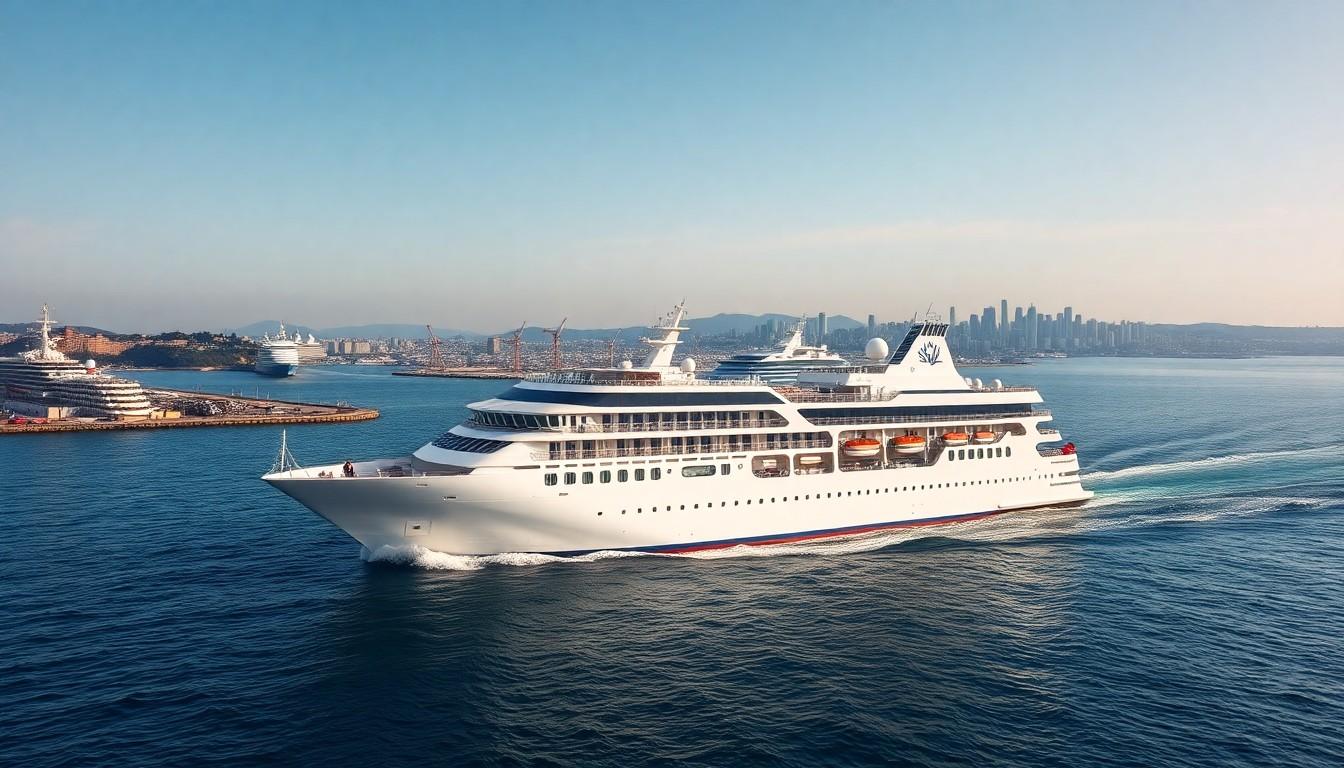
Watch how international port bans on an American LGBTQ cruise are drawing attention , passengers, rights groups and celebrities are reacting as the ship was denied entry in Turkey and later Egypt, raising questions about safety, rights and the future of LGBTQ-friendly travel.
Essential Takeaways
- Two denials: A US-based LGBTQ cruise was refused docking in Turkey and later in Egypt, forcing route changes and alarms among passengers.
- Passenger concern: Many onboard described feeling unwelcome and anxious; some reported cancelling shore plans and reassessing safety.
- Public reaction: Celebrities and rights groups have criticised the bans, calling them symptomatic of a wider rollback in LGBTQ rights.
- Operational impact: The rerouting created logistical headaches for organisers and uncertainty for local economies that count on cruise tourism.
How the denials unfolded , a visual snapshot of exclusion
Passengers boarded expecting a week of sun, music and safety, but were instead met with closed ports and sudden plans to reroute. According to reporting in several outlets, Turkish authorities first denied the ship permission to dock, citing moral or regulatory reasons, and days later Egyptian officials did the same. The scene onboard was reportedly tense, with crew and passengers scrambling to adjust plans and communicate options.
This sequence of refusals stands out because cruise itineraries normally rely on well-established port agreements. Industry writers and local reporters noted that when ports turn away a large vessel, it’s not only a diplomatic flashpoint but a logistical and emotional blow for holidaymakers who had booked for a specific, inclusive experience.
Passengers’ perspective , from disappointment to fear
People on the voyage told reporters they felt singled out, and some described the atmosphere as anxious rather than celebratory. For many LGBTQ travellers, cruising is a rare opportunity to be visible and relaxed in a welcoming setting, so an abrupt denial carries more than practical inconvenience , it hits at dignity and safety.
Travel journalists and rights groups pointed out that reactions ranged from frustration to real concern for personal safety ashore. Practical tips include checking travel insurance fine print, keeping emergency contacts handy, and ensuring you have digital copies of important documents before you leave port.
What the denials reveal about bigger political trends
Commentators framed these port refusals as part of a wider global trend in which certain governments are tightening restrictions on LGBTQ visibility and events. Coverage in major outlets linked the incidents to domestic politics and the interplay between tourism, religion and public morality laws.
Industry analysts warned that if such denials become more common, cruise planners will need to rethink itineraries and contingency planning. Operators might build in more flexible routes or stronger local agreements to protect passengers’ expectations.
Economic and operational fallout for cruise operators and ports
When a ship is turned away it’s not just a PR problem; it can dent ticket sales, strain onboard services and affect the economies of scheduled ports. Local businesses that normally expect cruise footfall suddenly lose a spike in customers, and cruise lines absorb extra fuel and scheduling costs.
Cruise lawyers and industry insiders said the situation also raises insurance questions and contractual liabilities. For travellers, it’s worth noting that reputable operators will offer alternatives or compensation, but reading the terms before booking can prevent surprises.
Reactions from the public, celebrities and advocacy groups
High-profile figures and advocacy groups quickly condemned the bans, using the spotlight to call for stronger protections for LGBTQ travellers. Their voices amplified the story and pushed the conversation beyond a single itinerary to the rights and safety of a global community.
Advocacy groups recommend travellers register their trips with relevant embassies and keep informed about local laws and customs , small steps that can help in an unexpected diplomatic snarl. Meanwhile, the cruise community is watching to see whether operators will change how they plan and protect inclusive voyages.
It's a small change that can make every cruise safer and more reliable for everyone.
Source Reference Map
Story idea inspired by: [1]
Sources by paragraph: