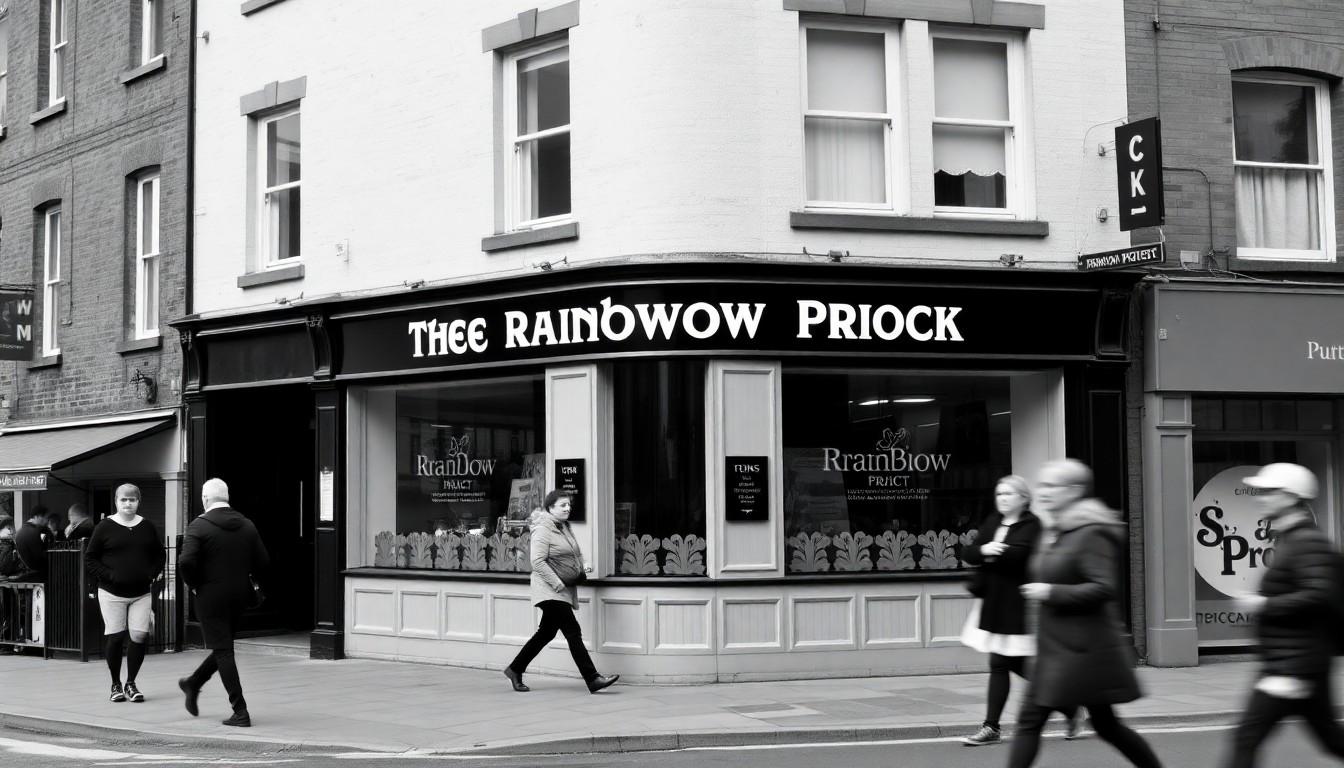
Shoppers are turning their attention to a bold new public-health push: The Rainbow Project's "Catch Urself Up" campaign in Northern Ireland is spotlighting the fact that U = U (Undetectable = Untransmissible), aiming to smash decades of silence and help reach the UK's goal of zero new HIV transmissions by 2030.
Essential Takeaways
- Clear message: U = U means people with an undetectable viral load cannot sexually transmit HIV, a fact the campaign centres on.
- Widespread impact: Up to 97% of people living with HIV in Northern Ireland are undetectable, so the message is immediately relevant.
- Modern prevention tools: PrEP and PEP complement treatment advances, offering protective options before or after exposure.
- Local gap filled: Northern Ireland hasn’t had HIV-focused public campaigns since the early epidemic, so this is a much-needed update.
- Practical outcome: Better public knowledge can reduce stigma, encourage testing and adherence, and help meet the 2030 elimination target.
Why this campaign is a watershed moment
The most striking thing about "Catch Urself Up" is its insistence on plain fact over fear, and that feels almost tactile , like a breath of fresh air after years of misinformation. The Rainbow Project has deliberately timed the launch ahead of Belfast Pride to reach communities and allies when conversations and visibility are high. According to local figures, a very large proportion of people living with HIV in Northern Ireland are already undetectable, so the campaign speaks not only to prevention but to dignity and everyday reality.
This matters because public understanding hasn’t kept pace with medical progress. Campaigns like this reframe HIV from a whispered crisis to a treatable condition with concrete, proven tools for prevention. If people hear “U = U” and truly grasp it, that’s a short route to less fear and fewer barriers to testing and treatment.
What "undetectable" really means for relationships and sex
Undetectable status comes from effective antiretroviral therapy driving viral load so low it can’t be measured and, crucially, can’t be passed on sexually. It’s a clinical reality with emotional consequences , partners report less anxiety, and people diagnosed with HIV often speak of renewed confidence and relief. The practical upside is clear: adherence to treatment protects both health and loved ones.
If you’re choosing words or supporting someone, use clear language and avoid euphemism. Explain that treatment equals prevention, and gently encourage testing and treatment if needed. Public-health messaging that makes the science accessible does a lot of heavy lifting in daily life.
Where prevention fits: PrEP, PEP and testing
Treatment isn’t the only tool in the box. PrEP, when taken correctly, can almost eliminate the risk of HIV before exposure, while PEP can reduce risk after a potential exposure if started within 72 hours. Together with U = U messaging, these interventions create a layered defence that public-health officials want people to know about.
For anyone wondering what to do next: ask about local sexual-health services, consider PrEP if you’re at risk, know where to access PEP, and get tested regularly if you’re sexually active. Simple steps like these are quietly powerful and help turn statistics into prevention.
Why Northern Ireland needed this campaign now
Northern Ireland has gone without HIV-specific public campaigns since the late 1980s and early 1990s. That silence let myths fester. The Rainbow Project’s initiative fills a historical gap and pushes modern science into public view. According to recent health data, new diagnoses still occur, and heterosexual transmission accounts for a notable share of those cases, so broad outreach is essential.
Campaigns aren’t just about facts; they change atmospheres. When communities see up-to-date, non-sensational messaging, stigma eases and people are more likely to test and treat. That’s precisely the behavioural shift public-health teams are betting on to edge toward the 2030 goal.
How to talk about HIV without fear or awkwardness
Start from facts, not rumours. Say “undetectable means untransmissible” and mean it, then follow with practical advice: where to test, how to access PrEP or PEP, and the importance of sticking with treatment. Be curious rather than judgemental; ask, listen and signpost to local services.
If you’re a friend or partner of someone living with HIV, normalise everyday life: cooking together, holidays, intimacy , all the things that make relationships feel human. The science supports that normality, and the sooner it’s part of everyday conversation, the faster stigma will erode.
It's a small change that can make every conversation safer and every life less burdened by old fears.
Source Reference Map
Story idea inspired by: [1]
Sources by paragraph: