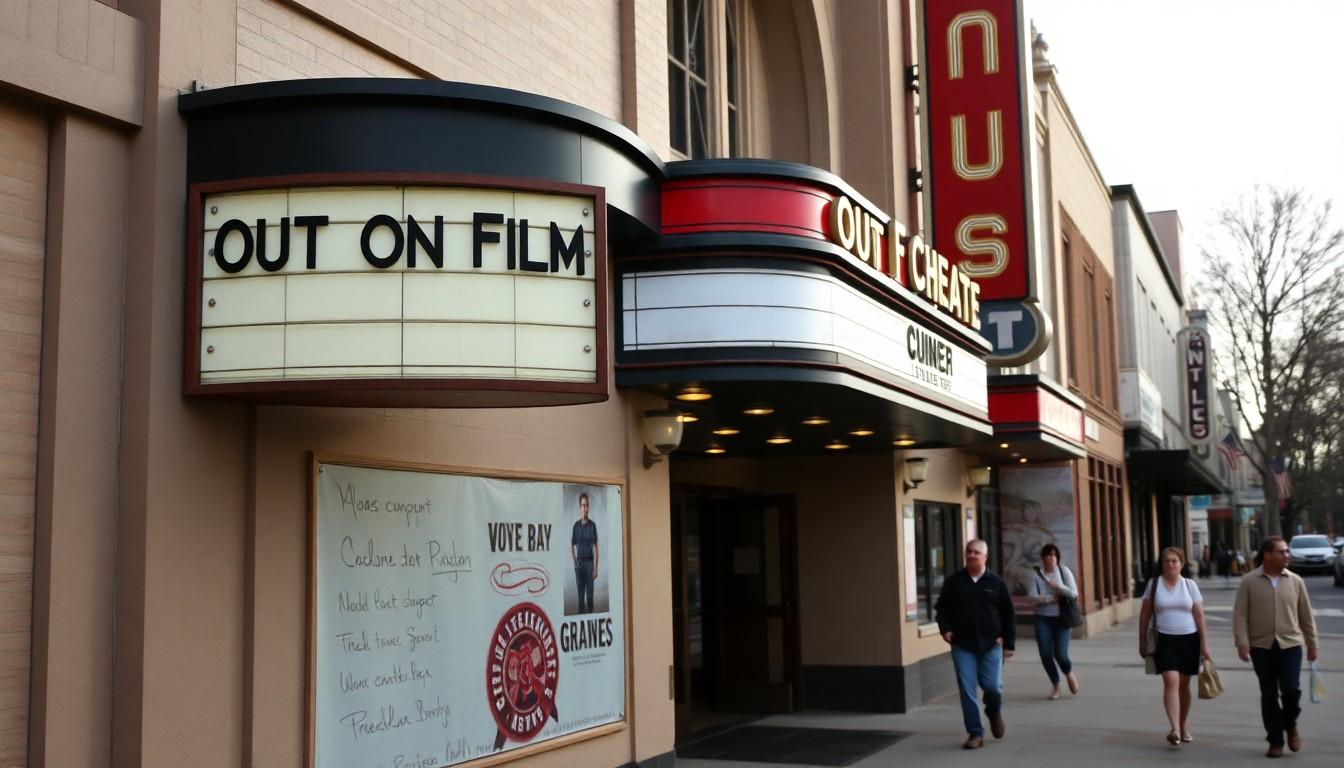
Shoppers of stories and lovers of cinema are already circling dates , Out on Film has announced its 2026 theme, dates and early film selections, promising another autumn of bold LGBTQ+ storytelling in Atlanta that matters to makers, audiences and the wider community.
Essential Takeaways
- Event dates: Out on Film runs Sept. 24–Oct. 4, 2026, marking its 39th year.
- Theme: “The World We’re Making” celebrates creative communities shaping queer culture on‑screen.
- Early slate: First announced films include Test, a small‑town coming‑of‑age drama, and Dreamers, a UK‑set story about an immigrant in an asylum centre.
- Tickets: Festival passes are available on Out on Film’s website; early planning is advised for popular screenings.
- Vibe: Expect intimate, authentic stories with emotional stakes and social resonance , films that invite conversation after the credits roll.
A festival that frames “The World We’re Making”
Out on Film’s new theme is a tidy, optimistic note: it centres the idea that filmmakers, audiences and volunteers actively build culture. Announcing the theme, festival leaders framed the festival as a communal craft , a place where queer lives are stitched into narratives that matter. The line feels tactile; you can almost picture theatres full of chatter, the scent of popcorn and the soft hush when a scene lands.
The theme is meant to spotlight craft and community, not just premieres, and positions the festival as both a showcase and a conversation hub. For regular attendees, it’s a reminder that festivals do more than screen films , they map networks and set the tone for what comes next in queer cinema.
Two early films set a tone: intimate and urgent
The first two titles Out on Film has revealed , Test and Dreamers , already suggest the festival’s emotional reach. Test, directed by Sam McConnell, follows an amateur bodybuilder in rural Ohio wrestling with family pressures and an emerging sexuality; it sounds like a quiet, character‑led drama with a sturdy, lived‑in texture. Dreamers, from Joy Gharoro‑Akpojotor, centres a Nigerian immigrant detained in a UK asylum removal centre, promising a politically charged, human story.
Festival director comments stress resonance with local audiences, and that choice makes sense: festivals often lead with films that spark post‑screening talk, panels and community responses. If you like films that stay with you, these picks look promising.
What this year’s programming could mean in context
Out on Film sits alongside a growing ecosystem of queer festivals and film events , from larger fairs that travel programmes to community‑rooted showcases that focus on emerging voices. This theme and early slate align with broader trends: more festivals are foregrounding social themes and centring lived experience in programming choices.
For filmmakers, that’s an encouraging sign: festivals are hungry for authentic stories, whether intimate dramas or films tackling immigration and justice. For audiences, it means more opportunities to see work that feels personal and urgent, with filmmakers in attendance to talk craft and context.
How to plan your festival visit , simple, practical tips
If you’re thinking of going, buy festival passes early: when a festival follows a banner year, demand rises. Check the Out on Film website for pass types and any early‑bird offers; organise must‑see titles in advance and leave room for surprises , smaller screenings often turn out to be the gems.
Also, look for post‑screening Q&As or community events. Those conversations are where the theme “The World We’re Making” really lands: you’ll hear the why behind choices and meet the people shaping the work.
Why this matters beyond Atlanta
A festival’s theme and opening selections send a message about what voices are being amplified and which stories get attention. Out on Film’s focus on community and creative agency reinforces a broader push in queer cinema to centre lived experience and structural questions alike , from family dynamics in rural towns to the realities of immigration systems.
Expect the 2026 programme to spark conversations that travel beyond the theatre: reviews, local coverage and festival chatter can help certain films find wider distribution and audiences.
It's a small change that can make every screening feel like part of something bigger.
Source Reference Map
Story idea inspired by: [1]
Sources by paragraph: