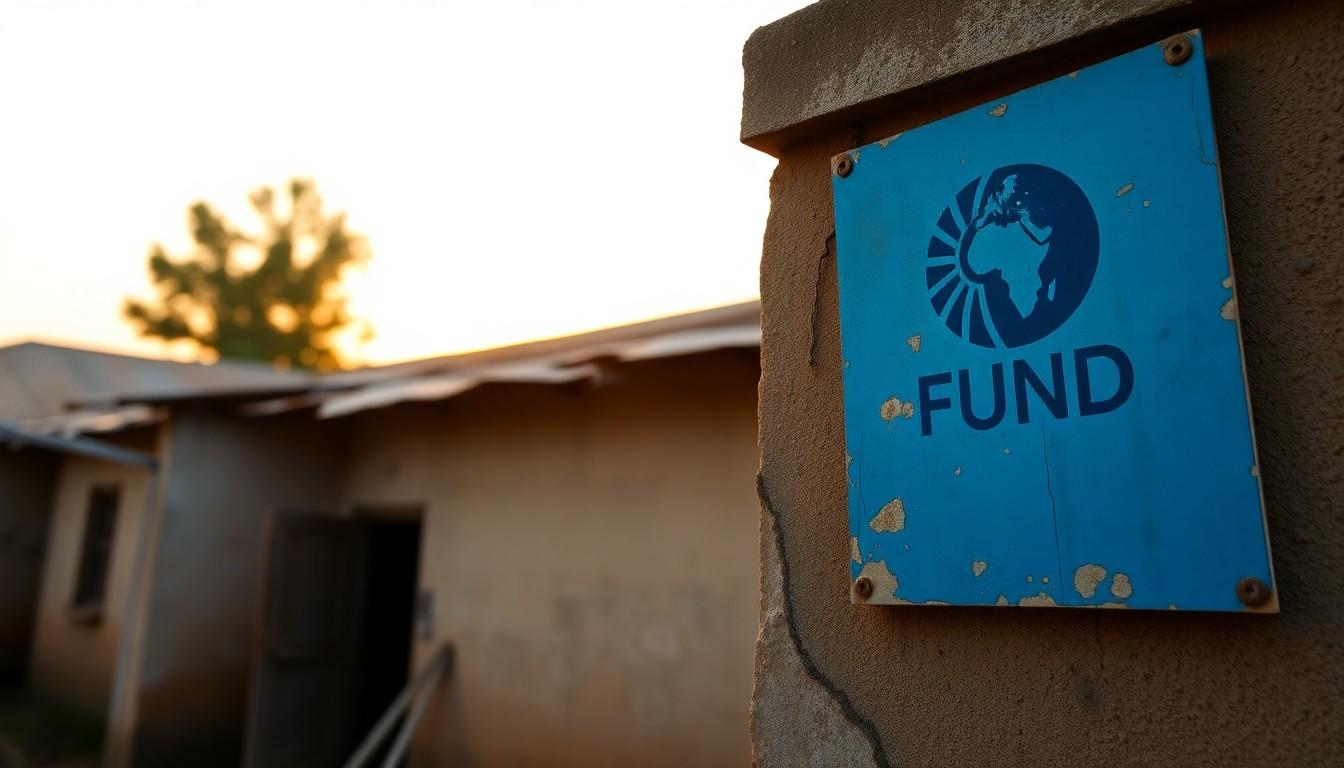
Shoppers might not notice it, but public-health experts are alarmed: cuts to international aid are already eroding HIV prevention and treatment services. Here’s who’s affected, why it matters, and practical steps for activists, clinics and donors to slow a potential return to the worst years of the epidemic.
Essential Takeaways
- Worsening services: UNAIDS data shows testing and prevention services are faltering, leaving more people unaware of their HIV status and off treatment.
- Funding shifts: Major aid reductions from donor countries have forced programmes to scale back or close, affecting clinics and community groups.
- Human cost: Survivors of violence and marginalised communities face rising barriers to care and higher risk of complications.
- What helps now: Pooled funds like the Global Fund help sustain work, but they’ve been cut too; flexible, localised support and rapid testing access are vital.
- On the ground: Clinics report late presentation and treatment interruptions, which feel familiar to clinicians who worked through the 1990s crisis.
Aid cuts are already showing in testing and treatment data
The clearest, cold fact is in the figures: international monitoring bodies are seeing declines in service access and a worrying drop in testing uptake, which means many people won’t know their status. According to UNAIDS and reporting from global health outlets, that reduction looks and feels like the early signs of an uncontrolled resurgence. Clinics that used to hum with routine appointments are quieter, staff are stretched, and the soft, everyday reassurance of treatment adherence is fraying.
This comes after donor governments tightened belts or reprioritised foreign-aid budgets. In practice, that has translated into fewer community outreach teams, limited clinic hours, and reduced supplies of prevention tools. For anyone who remembers the late 1990s and early 2000s, the parallels are stark: late diagnoses, higher death rates and a sense that momentum has been lost.
Who pays the price: marginalised communities and survivors
The impact isn’t abstract. People already pushed to the margins , LGBTQ+ communities, sex workers, people in conflict zones , are the first to feel it. Survivors of violence, who often rely on specialist clinics and shelters, are suddenly facing clinic closures or service downgrades. That’s not only a medical issue; it’s social and psychological, because losing a trusted point of care can push someone into hiding or away from treatment entirely.
Human-rights groups and frontline NGOs have warned that where social hostility or criminalisation exists, cuts compound risk. Community-led services, which often do the riskiest outreach, tend to be smaller and less visible to funders, yet they’re indispensable for keeping people connected to care.
Why pooled funds matter , and why they’re under pressure
Pooled global mechanisms have been a lifeline for many programmes, offering predictable, coordinated resources across countries. But even these structures aren’t immune: recent budget reductions have limited how much they can support, and bilateral aid shifts mean gaps remain. The upshot is that once-stable funding pipelines now require constant triage.
That matters at clinic level because predictability allows for long-term staffing, medication procurement and community education programmes. Where that predictability vanishes, services become fragile: appointments are delayed, outreach slows, and prevention campaigns fall silent. For donors wanting impact, the lesson is simple , protecting or restoring multi-year commitments yields far more than stop-start grants.
Practical steps clinics and communities can take now
There are pragmatic actions that help blunt the worst effects. First, decentralise testing: making rapid tests available in community centres and pharmacies keeps diagnosis within reach. Second, simplify treatment delivery , multi-month prescriptions reduce clinic visits and stockout risks. Third, bolster peer-led outreach; people are more likely to engage when help comes from trusted community members.
Donors and policymakers can help by prioritising flexible, low-overhead grants and backing supply-chain resilience. Local health leaders should be supported to reconfigure services quickly, focusing on continuity of care over expansion at times of contraction.
What advocates and donors should watch next
Watch the indicators that matter: testing rates, new diagnoses, treatment retention and AIDS-related deaths. If testing keeps falling and treatment continuity breaks down, the downstream effects will appear quickly. Campaigners should press for data transparency and for the restoration of targeted funding for prevention and harm reduction.
There’s also a political dimension. Public attention is fickle, and the early 2000s response happened because people cared and governments invested. Advocates need to rebuild that public urgency, not with panic but with clear stories of what’s at stake and practical asks for action.
It's a small change that can make every intervention count , protecting clinics and testing now prevents suffering later.
Source Reference Map
Story idea inspired by: [1]
Sources by paragraph: