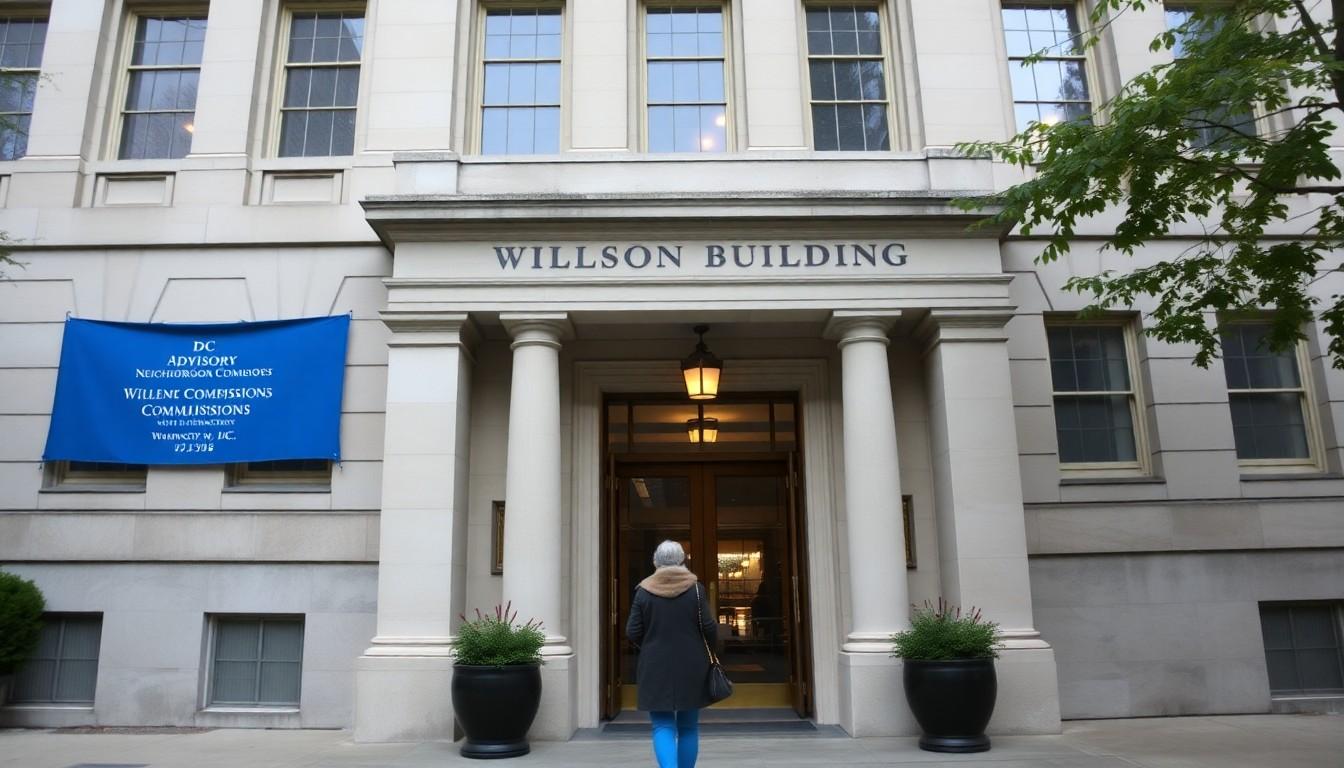
Shoppers are turning to hyperlocal politics , Capital Stonewall Democrats launched Queering ANCs to recruit and support LGBTQ candidates for D.C.’s 345 Advisory Neighborhood Commission seats, promising a practical, neighbourhood-first route to influence everything from parking to public safety.
Essential Takeaways
- What’s launching: Queering ANCs is a campaign to boost LGBTQ candidacies for Advisory Neighborhood Commissions across Washington, D.C.
- Why it matters: ANCs advise on zoning, liquor licenses, street improvements and the city budget; agencies must give their recommendations “great weight.”
- Scope: D.C. has 46 ANCs with 345 single-member districts, each elected for two-year terms and unpaid.
- Current presence: The ANC Rainbow Caucus lists 38 elected LGBTQ commissioners across all eight wards, but organisers want many more.
- Actionable deadline: Prospective candidates must file 25 petition signatures by 5 August to appear on the November ballot.
Why ANCs are the overlooked lever of neighbourhood power
If you want to change the feel of your street, an ANC does more than talk , it nudges city agencies that often treat ANC advice seriously. That “great weight” standard means a commissioner’s view on a block’s trash schedule, a new liquor licence or a curb cut can tilt the outcome. For residents, ANCs are tactile and local: meetings, walking the ward, chatting with neighbours. Organisers argue that electing more LGBTQ commissioners brings new perspectives to those routine decisions, and it’s easy to imagine how inclusive voices can change who gets heard and what projects get prioritised.
How Queering ANCs fits into a broader political pipeline
Capital Stonewall Democrats says this is the country’s most ambitious hyperlocal LGBTQ candidate pipeline, and it’s no accident. National groups have long focused on state and federal seats, but local commissions are where policy touches daily life. The campaign builds on the chapter’s recent organising work and the existing ANC Rainbow Caucus network, which already has representation in every ward. This is practical politics: recruit, train, file the 25 signatures, win a two-year unpaid seat, then shape neighbourhood outcomes and build a future résumé for higher office.
What running for an ANC really looks like , practical tips
Running is low-tech but time-intensive. You’ll need 25 valid petition signatures submitted by 5 August to qualify for the November ballot, and you’ll be asking neighbours to trust you with local quality-of-life issues. Start by attending your ANC meetings, knock on doors, and use the QueeringANCs.org resources for filing help and messaging. Size matters: match your campaign materials and door-knocking plan to a single-member district rather than the whole ward. Expect to talk about parking, safety, recreation and liquor licences , these are the concrete things voters care about.
Where the current LGBTQ commissioners stand and why representation varies by ward
The ANC Rainbow Caucus lists 38 LGBTQ commissioners serving now, with numbers spread unevenly across the city. Wards 2 and 7 currently show stronger LGBTQ representation, while Wards 3 and 8 have fewer commissioners. That patchwork matters because local issues and demographics differ hugely from block to block; increasing candidacies across every ward helps ensure policy debates reflect lived experience citywide. Organisers are hoping recruits will come from everyday networks , neighbours, community groups, workplaces , because local credibility beats slick ads in a neighbourhood race.
What success would change , and what to watch next
If Queering ANCs moves the needle, expect to see more LGBTQ residents in meeting rooms, shaping neighbourhood priorities and building grassroots political capital. That can shift outcomes on housing, policing input and public-space planning where decisions accumulate into big effects over time. Watch for how many recruits make it onto the ballot by the August filing deadline, and whether training translates into turnout in November. For many activists, this is less about headline-grabbing wins and more about steady, practical power-building.
It’s a small, hyperlocal push that could have outsized effects , and if you care about your street, this is an invitation.
Source Reference Map
Story idea inspired by: [1]
Sources by paragraph: