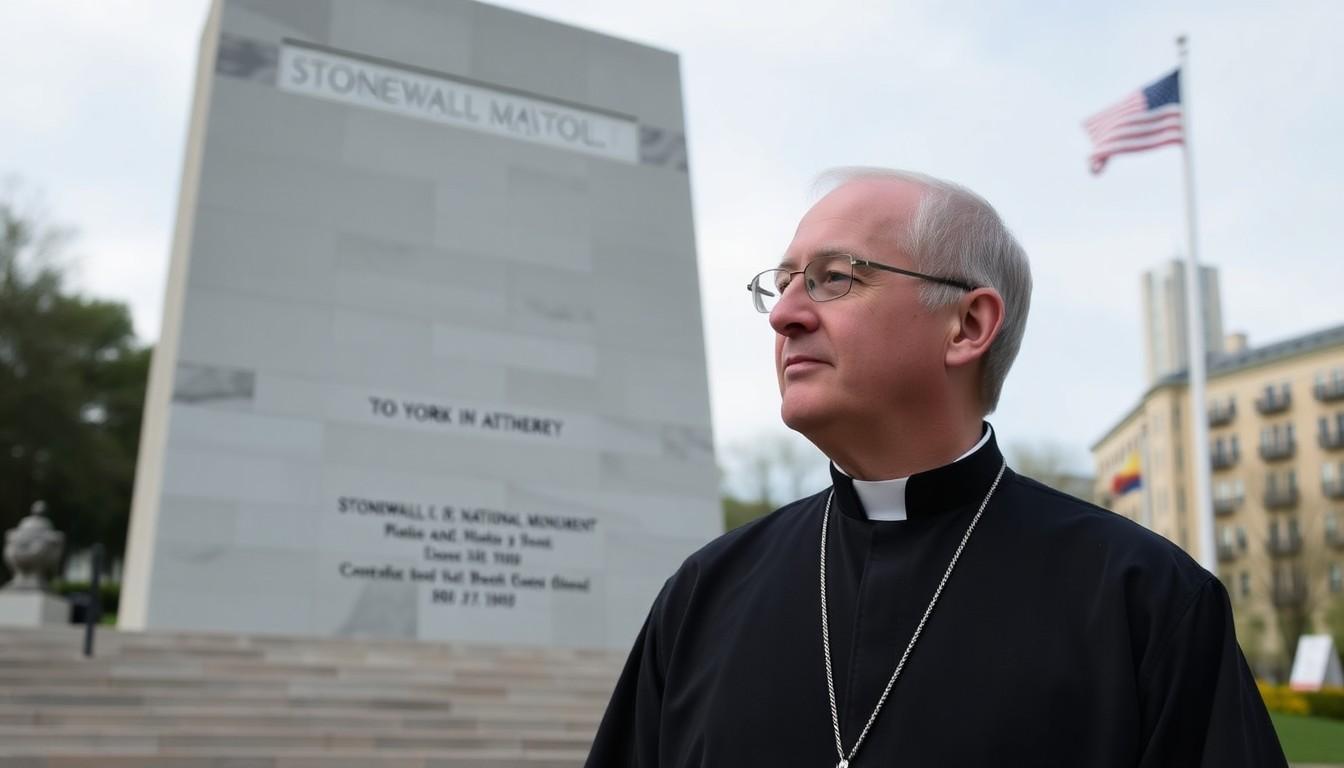
Shoppers are turning to stories of reconciliation , a Paulist priest led a Pride Mass outside the Stonewall National Monument in New York, drawing Catholics, LGBTQ+ faithful and allies together and sparking fresh conversations about faith, apology and inclusion. It matters because it blends public witness with pastoral outreach at a symbolic site.
Essential Takeaways
- Public apology: Father Chris Lawton offered a clear pastoral apology to those harmed by Church actions, including transgender Catholics, which felt heartfelt and immediate.
- Visible setting: The Mass took place at the Stonewall National Monument, a charged, historic location that adds cultural weight and visibility.
- Ecumenical and celebratory tone: The gathering mixed liturgy with community celebration and outreach , music, ritual gestures and supportive ministry presence.
- Media attention and debate: Local and national outlets covered the event closely, reflecting both praise for outreach and criticism from conservative corners.
- Practical impact: For parishioners and curious onlookers, the Mass served as both spiritual ritual and pastoral invitation, especially for Catholics feeling excluded.
A Mass with an apology at its heart
The most striking moment was simple and human: a priest saying sorry. Father Chris Lawton’s words , apologising for times the Church failed to recognise God in LGBTQ+ people , landed like an olive branch. According to National Catholic Reporter, the sermon framed the Mass as both pastoral care and public witness, and the tone felt intentionally contrite and pastoral rather than political. For many who attend such services, that softness and humility are what stick.
Why Stonewall mattered for the location
Holding the liturgy at the Stonewall National Monument changes the conversation. Stonewall is not just a park bench; as CBS News and Stonewall UK have noted, it’s a living symbol of LGBTQ+ resistance and memory. Celebrating a Catholic liturgy there signals an effort to meet people where they are, and to acknowledge historical wounds in public space. The scenery , flags, neighbourhood noise, a steady stream of curious passersby , made the Mass feel like a bridge between worlds.
Mixed reactions , praise, concern and headlines
The event drew broad coverage, which meant both applause and pushback. NCR reported strong support from those who saw the Mass as pastoral outreach, while outlets such as LifeSite and the National Catholic Register highlighted critics who question whether such public liturgies align with wider Church discipline. Media attention also picked up on recent controversies over Pride flags at Stonewall, covered by NBC New York and CBS, which added another layer to the story. That mix of coverage underscores how pastoral gestures quickly become cultural flashpoints.
What this means for parishes and people who feel excluded
For clergy and parish teams thinking about outreach, there are practical lessons. Public, symbolic acts can open doors, but they require clear pastoral intent, liturgical integrity and pastoral support for those attending. Out at St. Paul’s ministry, which organised the Mass, aims to welcome people gently , a helpful model for parishes trying to balance fidelity and welcome. If you’re a parish leader considering similar outreach, prepare for cheering and criticism, and have pastoral care ready for people who come with complex histories.
Looking ahead: small gestures, big conversations
The Stonewall Mass is unlikely to settle broader Church debates, but it does move the needle on conversation. It demonstrates how liturgy can be both prayer and public statement, and how apologies spoken aloud can begin to repair trust. Whether more parishes follow suit will depend on local leadership, diocesan response and how communities want to witness their welcome.
It's a small change that can make every welcome feel more intentional.
Source Reference Map
Story idea inspired by: [1]
Sources by paragraph: